




NBIS: Q2 Revenue Surges 454% with Record Margins and Capacity, Reaffirming Strong 2026-2027 Outlook
NBIS: Q2 revenue surges 454% with record margins and capacity, reaffirming strong 2026-2027 outlook...
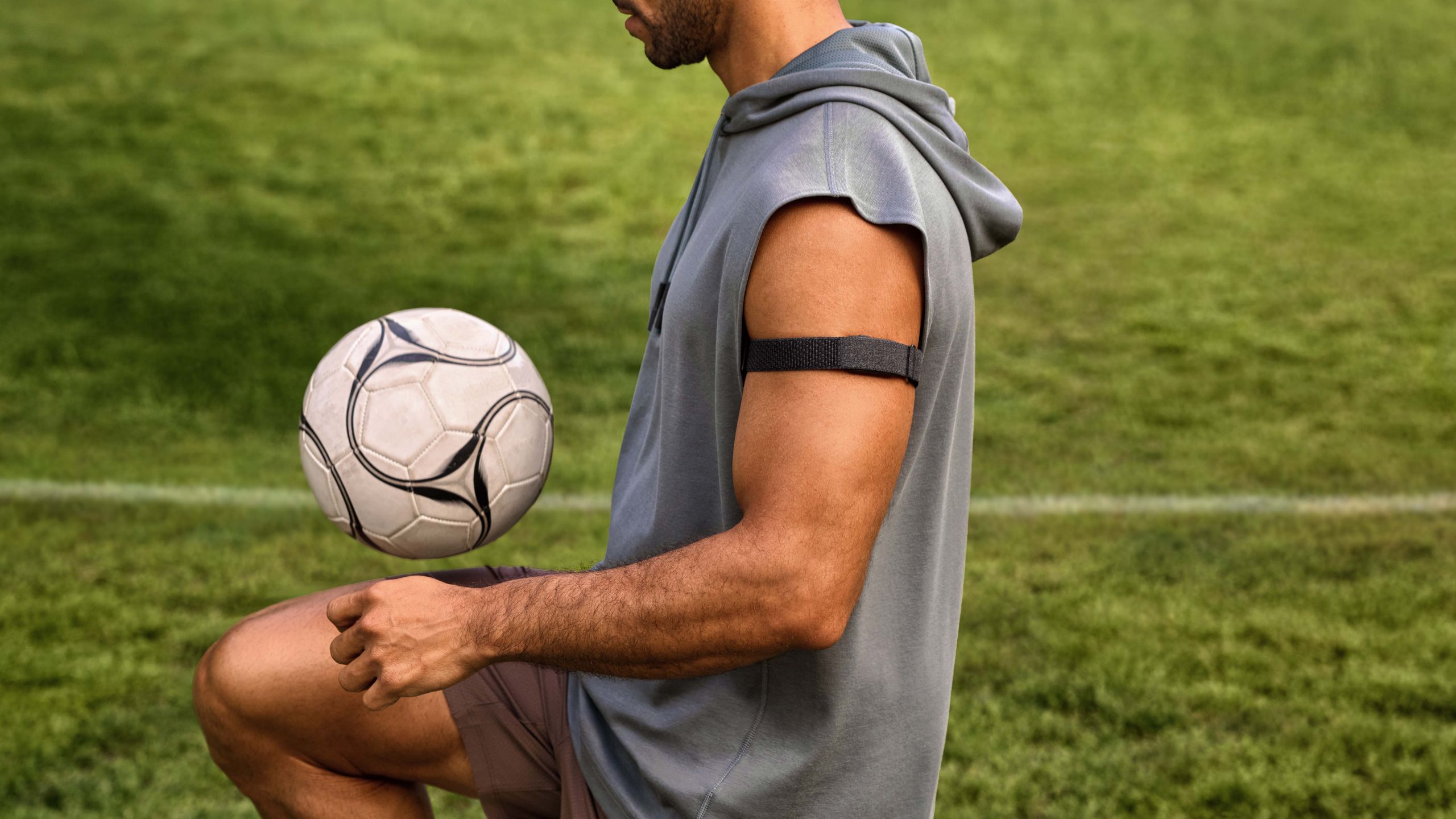
The wait is finally over for those eagerly anticipating the launch of Garmin's highly anticipated screen-free fitness tracker, the Cirqa. The Cirqa, priced at $199, promises to offer users the benefits of both the beginner-friendly Fitbit Air and the pro-level Whoop 5.0 in a single, sleek package.
Garmin's decision to omit a screen from the Cirqa may seem like a bold move, but it's one that could potentially set the company apart from its competitors in the crowded fitness tracking market. Without the need for a display, the Cirqa's design is more streamlined, allowing users to focus on the most important aspect of their fitness journey: tracking their progress.
But what does this screen-free design mean for users? According to Dan Bracaglia, Tom's Guide editorial lead for smartwatches and fitness trackers, the Cirqa's lack of a screen is actually a strategic choice. 'The goal was to create a device that's more focused on the experience, rather than just being a screen that shows you a bunch of data,' Bracaglia explains. 'It's still very much a wrist-based device that's designed to monitor your body's activity, but it does it in a way that's more discreet and intuitive.'
The Garmin Cirqa looks a lot like the Whoop 5.0, which may have been a deliberate design choice to appeal to fans of the high-end fitness tracker. Available in four color options, the Cirqa's design is both stylish and understated, making it perfect for those who value a minimalist aesthetic.
'One generation out from the latest/greatest, the Elevate V4 sensor in the Cirqa provides accurate 24/7 heart rate tracking, SpO2 readings, body temperature monitoring, and women's health tracking,' Bracaglia notes. 'It also offers detailed nightly sleep reports and can automatically track a range of common workout types.' So what sets the Cirqa apart from its competitors? The device's ability to deliver insights without overwhelming users with data.
The Cirqa's battery life is another area where it shines, offering up to 10 days of use per charge. For comparison, the Fitbit Air lasts around one week per charge, while the Whoop 5.0 is good for closer to two weeks per charge. 'Battery life is always a concern for wearables, and Garmin's done a great job of ensuring that the Cirqa meets the needs of most users,' Bracaglia says.
As for the companion app, the Garmin Connect app is a vital part of the Cirqa's experience. Comprehensive and user-friendly, the app provides users with a wealth of insights and tools to monitor their progress. While some users may find the app's sheer breadth of features overwhelming, Bracaglia is confident that users will find it easy to navigate.
Ultimately, the Garmin Cirqa Smart Band launch marks an exciting new chapter in the world of fitness tracking. By eschewing conventional wisdom and opting for a screen-free design, Garmin has created a device that truly stands out from the crowd. With its sleek design, advanced sensor technology, and long battery life, the Cirqa is poised to shake up the market and provide users with a fresh perspective on wearable technology.
Garmin introduces the Cirqa, a screen-free fitness tracker that rivals the Whoop and Fitbit Air, bringing a fresh approach to wearable technology.
NBIS: Q2 revenue surges 454% with record margins and capacity, reaffirming strong 2026-2027 outlook...
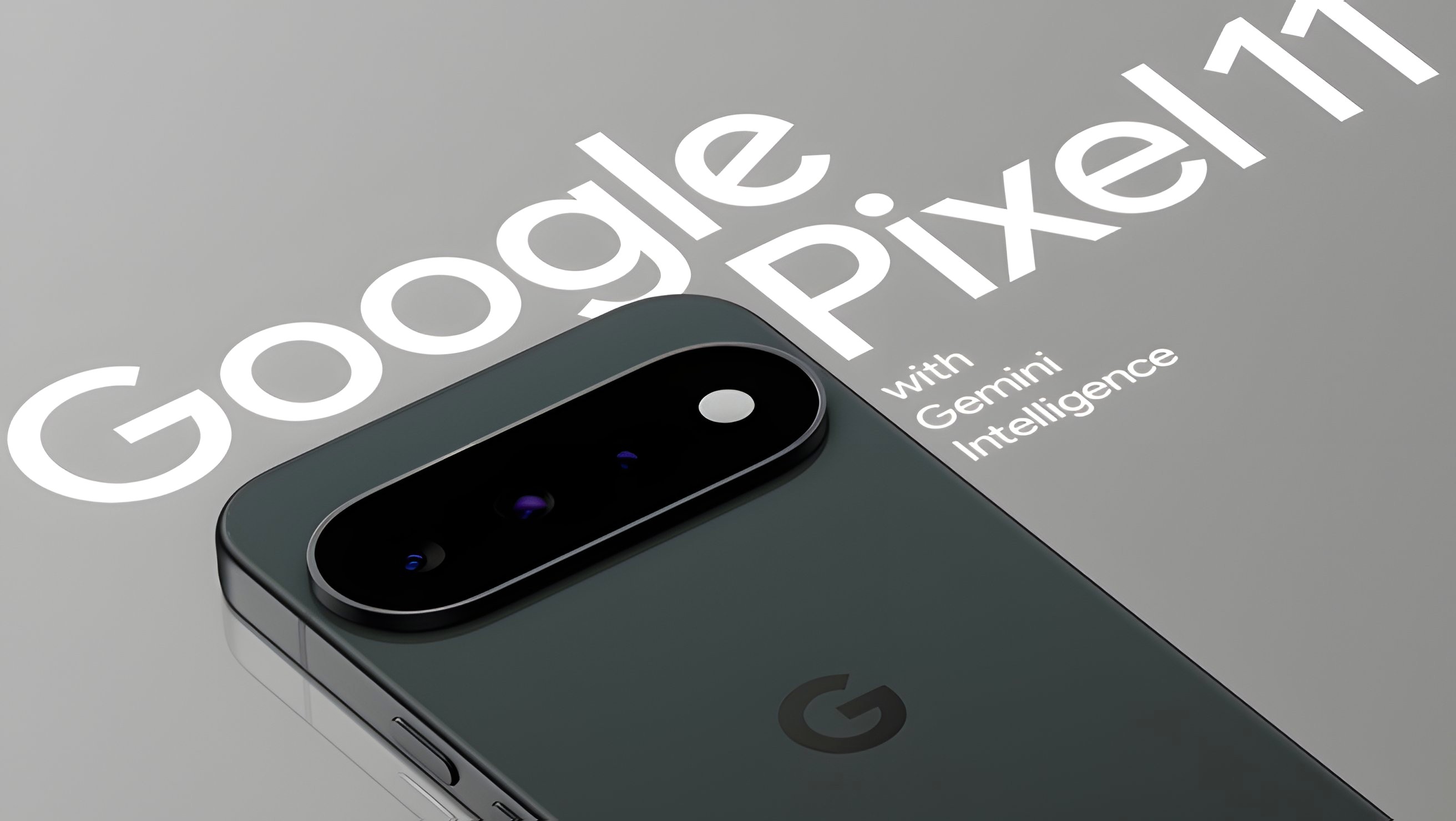
Google has surprised fans by making the Pixel 11 and Pixel Watch 5 available 8 hours before the...

AST SpaceMobile Posts Q2 Misses, Backlog Grows to $1.3 Billion Bigger questions linger behind the...

The Pixel Watch 5, developed in collaboration with NBA champion Stephen Curry, takes inspiration...
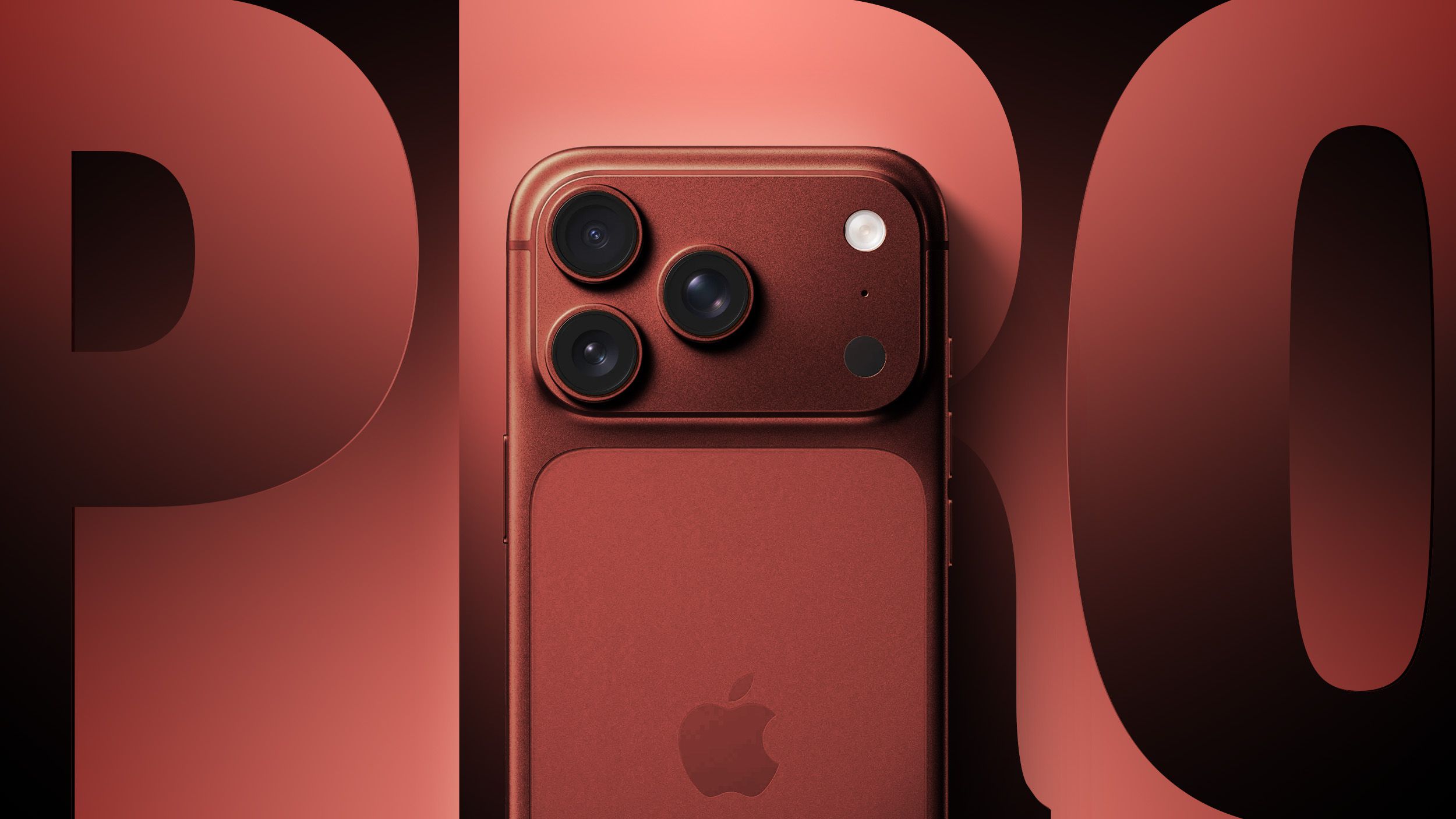
Apple's iPhone 18 Pro, iPhone 18 Pro Max, and foldable iPhone could be affected by the ongoing DRAM...
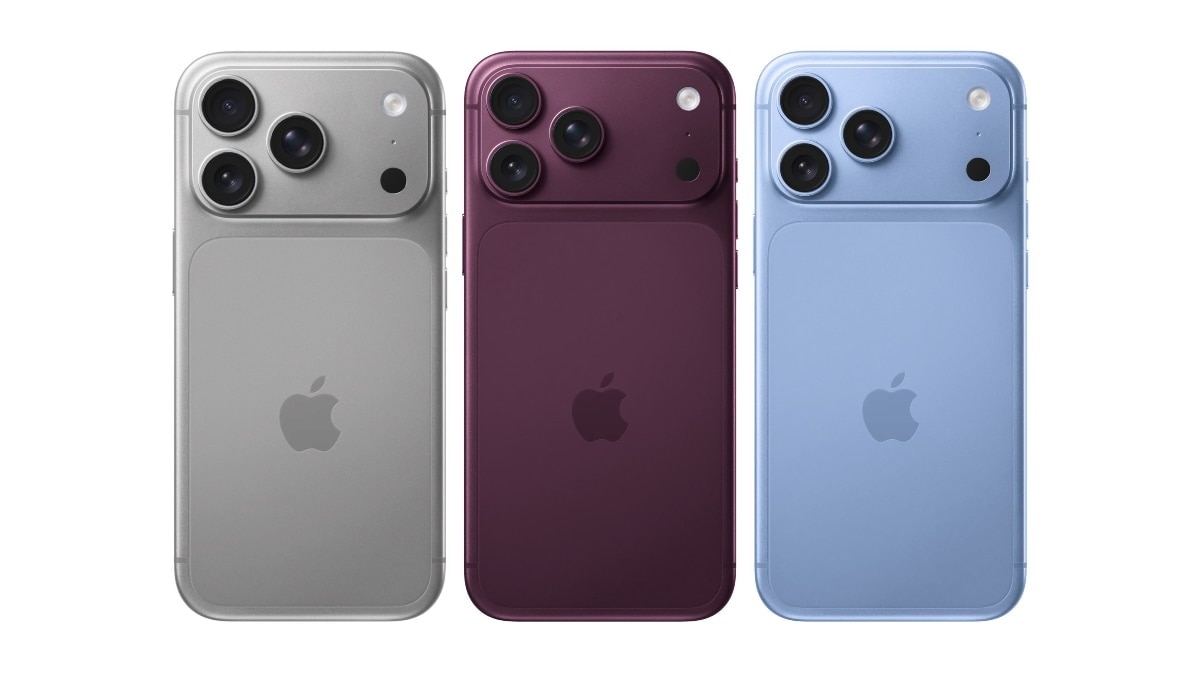
Stay updated on the latest iPhone 18 Pro and Pro Max news, featuring exclusive leaks on release...

Netizen tidak senang dengan komentar-komentar yang diberikan

BTS mungkin kembali mengikuti Grammy setelah rekanan mereka, Recording Academy, mengumumkan revisi...
BTS mungkin tidak akan mengubah keputusan untuk mengabaikan Grammy karena deadline pengiriman musik...
Update terbaru tentang keputusan BTS untuk tidak mengirimkan musik mereka untuk dijadikan nominee...
Pihak Recording Academy mengumumkan akan kembali meninju keputusan untuk memperkenalkan kategori...

Sangyeop Sangyeop mengumumkan rencananya untuk menikah dengan seorang non-celebrity, mengejutkan...