



Penilaian Kritik Terhadap J-Hope dan RM dari BTS
Netizen tidak senang dengan komentar-komentar yang diberikan
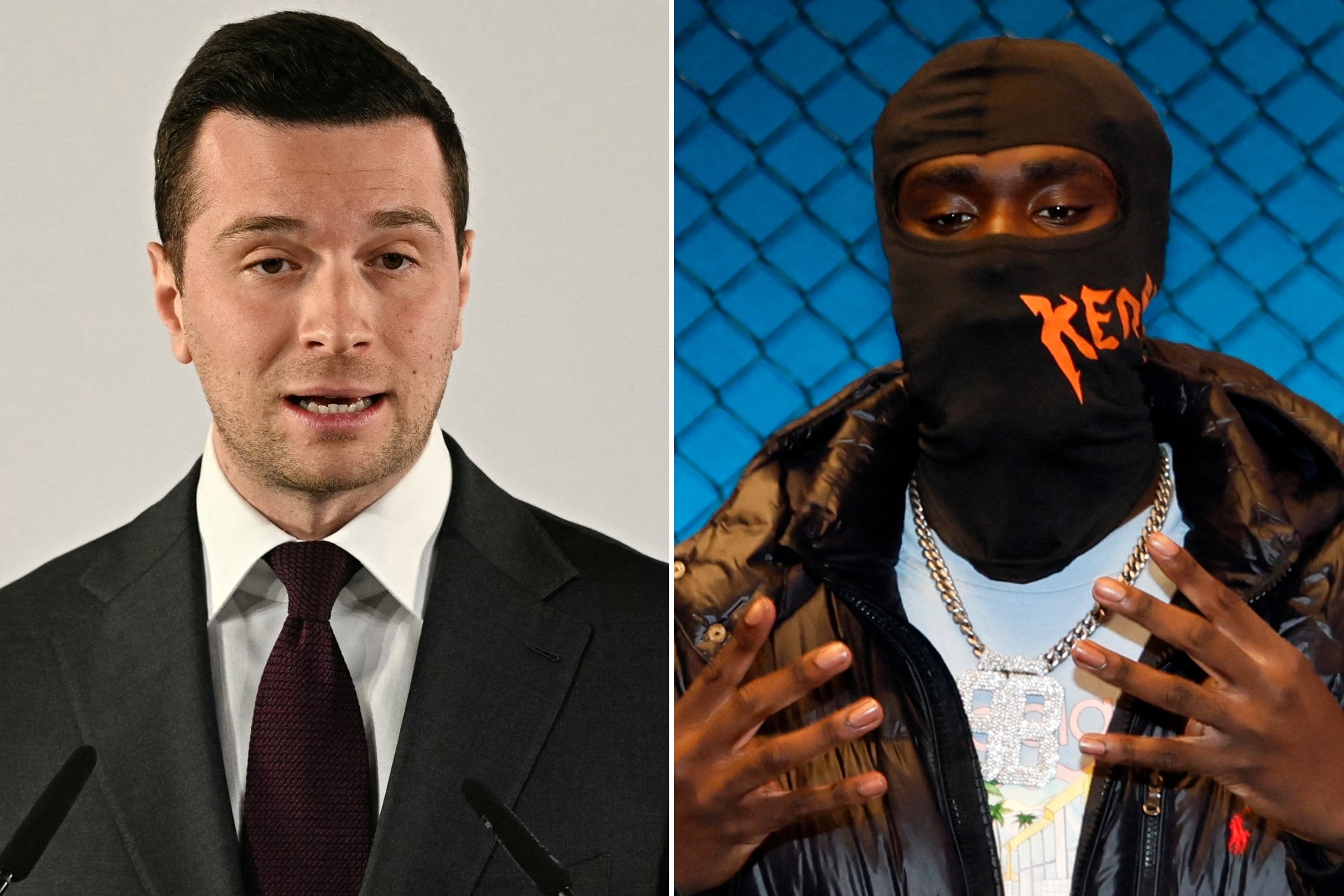
The rapper Kerchak has found himself at the center of a controversy surrounding his verse in the song 'No Pasarán', which has led to a lawsuit filed by Jordan Bardella, the president of the National Rally. This case has sparked a heated debate about freedom of expression, artistic creativity, and the limits of political discourse. When considering the background to this case, it is essential to understand the context in which the song was released. 'No Pasarán' was released in the aftermath of the first round of the early legislative elections in July 2024, and it brought together a group of around 20 rappers, including Akhenaton, Fianso, Zola, Soso Maness, Seth Gueko, and Kerchak, to denounce the National Rally and call for a united stance against the far-right. The song's message was clear: it was a call to action against the rise of extremist ideologies and a celebration of the power of music as a form of social commentary. Who are the key players in this debate, and what are their motivations? Jordan Bardella, as the president of the National Rally, has been an outspoken critic of the song and its message, and his decision to sue Kerchak reflects his determination to silence his critics and defend his party's reputation.
The song 'No Pasarán' has been viewed over 3.8 million times on YouTube, and its lyrics have been the subject of intense scrutiny and debate. Several passages in the song directly target the leaders of the National Rally, with phrases such as 'Fuck the RN', 'Jordan you're dead', and 'Fuck Marine and Bardella'. Kerchak's verse is particularly noteworthy, as it contains the line 'All I know is that we don't vote for Marine and we screw Bardella's mom'. What are the key facts and background to this case, and how do they relate to the broader debate about freedom of expression? The lawsuit filed by Jordan Bardella against Kerchak has been condemned by many as an attack on artistic freedom and a attempt to silence critics of the far-right. When considering the implications of this case, it is essential to understand the potential consequences for the music industry and the role of politics in shaping cultural discourse.
Kerchak's lawyer, Me Naïri Zadourian, has announced that her client will vigorously defend himself against the lawsuit, arguing that the song is a legitimate form of artistic expression and a protected form of free speech. Where does this case fit into the broader debate about freedom of expression, and what are the potential implications for the future of artistic creativity? The fact that Jordan Bardella has filed a lawsuit against Kerchak reflects a deeper problem with the far-right's approach to freedom of expression, which is often characterized by hypocrisy and a desire to silence critics. How will this case impact the music industry, and what are the potential consequences for artists who seek to use their platforms to speak out against injustice and promote social change? The lawsuit has also sparked a wider debate about the role of politics in shaping cultural discourse and the limits of artistic freedom.
The song 'No Pasarán' is part of a long tradition of artistic engagement with politics, and its message reflects a deep-seated concern about the rise of extremist ideologies and the erosion of democratic values. Why is this case significant, and what are the potential implications for the future of artistic expression? The fact that Jordan Bardella has filed a lawsuit against Kerchak reflects a desire to silence critics and stifle dissent, which is a fundamental threat to the principles of democracy and free speech. How will this case impact the music industry, and what are the potential consequences for artists who seek to use their platforms to speak out against injustice and promote social change? The lawsuit has also sparked a wider debate about the role of politics in shaping cultural discourse and the limits of artistic freedom. What are the key facts and background to this case, and how do they relate to the broader debate about freedom of expression?
The implications of this case are far-reaching and significant, and they reflect a deeper problem with the far-right's approach to freedom of expression. When considering the potential consequences of this case, it is essential to understand the context in which the song was released and the message that it conveys. The song 'No Pasarán' is a call to action against the rise of extremist ideologies, and its message reflects a deep-seated concern about the erosion of democratic values. How will this case impact the music industry, and what are the potential consequences for artists who seek to use their platforms to speak out against injustice and promote social change? The lawsuit filed by Jordan Bardella against Kerchak has been condemned by many as an attack on artistic freedom and a attempt to silence critics of the far-right. What are the key facts and background to this case, and how do they relate to the broader debate about freedom of expression?
The case of Kerchak and the song 'No Pasarán' reflects a wider debate about the role of politics in shaping cultural discourse and the limits of artistic freedom. When considering the potential implications of this case, it is essential to understand the context in which the song was released and the message that it conveys. The song 'No Pasarán' is part of a long tradition of artistic engagement with politics, and its message reflects a deep-seated concern about the rise of extremist ideologies and the erosion of democratic values. How will this case impact the music industry, and what are the potential consequences for artists who seek to use their platforms to speak out against injustice and promote social change? The lawsuit filed by Jordan Bardella against Kerchak has been condemned by many as an attack on artistic freedom and a attempt to silence critics of the far-right. What are the key facts and background to this case, and how do they relate to the broader debate about freedom of expression? The fact that Jordan Bardella has filed a lawsuit against Kerchak reflects a desire to silence critics and stifle dissent, which is a fundamental threat to the principles of democracy and free speech.
In conclusion, the case of Kerchak and the song 'No Pasarán' reflects a wider debate about the role of politics in shaping cultural discourse and the limits of artistic freedom. The lawsuit filed by Jordan Bardella against Kerchak has been condemned by many as an attack on artistic freedom and a attempt to silence critics of the far-right. When considering the potential implications of this case, it is essential to understand the context in which the song was released and the message that it conveys. The song 'No Pasarán' is a call to action against the rise of extremist ideologies, and its message reflects a deep-seated concern about the erosion of democratic values. How will this case impact the music industry, and what are the potential consequences for artists who seek to use their platforms to speak out against injustice and promote social change? The fact that Jordan Bardella has filed a lawsuit against Kerchak reflects a desire to silence critics and stifle dissent, which is a fundamental threat to the principles of democracy and free speech. What are the key facts and background to this case, and how do they relate to the broader debate about freedom of expression?
As the case of Kerchak and the song 'No Pasarán' continues to unfold, it is essential to consider the potential implications for the future of artistic expression and the role of politics in shaping cultural discourse. The lawsuit filed by Jordan Bardella against Kerchak has sparked a wider debate about the limits of artistic freedom and the role of politics in shaping cultural discourse. When considering the potential consequences of this case, it is essential to understand the context in which the song was released and the message that it conveys. The song 'No Pasarán' is part of a long tradition of artistic engagement with politics, and its message reflects a deep-seated concern about the rise of extremist ideologies and the erosion of democratic values. How will this case impact the music industry, and what are the potential consequences for artists who seek to use their platforms to speak out against injustice and promote social change? The fact that Jordan Bardella has filed a lawsuit against Kerchak reflects a desire to silence critics and stifle dissent, which is a fundamental threat to the principles of democracy and free speech.
The rapper Kerchak is being sued by Jordan Bardella, the president of the National Rally, for his verse in the song 'No Pasarán', which has sparked a debate about freedom of expression and the limits of artistic creativity. This development has significant implications for the music industry, artistic freedom, and the role of politics in shaping cultural discourse. What are the key facts and background to this case, and what are the potential implications for the future of artistic expression?
Netizen tidak senang dengan komentar-komentar yang diberikan

BTS mungkin kembali mengikuti Grammy setelah rekanan mereka, Recording Academy, mengumumkan revisi...

Meninggalnya Hayden Panettiere, aktris Amerika Serikat, telah mengejutkan dunia hiburan dengan...

Anggota grup musik telah mengumumkan pernikahannya mendadak dengan sosok non-artist, mengejutkan...
Seorang anggota boy group tak terduga mengumumkan perayaannya pribadi dengan non-kepribadian,...
Choi Sangyeop dari boy group LUCY mengejutkan fans dan netizen dengan pengumuman pernikahannya yang...
BTS mungkin tidak akan mengubah keputusan untuk mengabaikan Grammy karena deadline pengiriman musik...
Update terbaru tentang keputusan BTS untuk tidak mengirimkan musik mereka untuk dijadikan nominee...
Pihak Recording Academy mengumumkan akan kembali meninju keputusan untuk memperkenalkan kategori...
Sangyeop Sangyeop mengumumkan rencananya untuk menikah dengan seorang non-celebrity, mengejutkan...
Anggota grup pria mendadak mengumumkan pernikahannya dengan seorang non-celebrity, membuat...
Pengumuman pernikahan mendadak anggota boy group dengan seorang non-selebriti mengejutkan penggemar...