




Pemerintah Kabupaten Aceh Tamiang: Bumi Muda Sedia Pulih dan Bangkit
Pemerintah Kabupaten Aceh Tamiang: Bumi Muda Sedia Pulih dan Bangkit — Informasi Terbaru
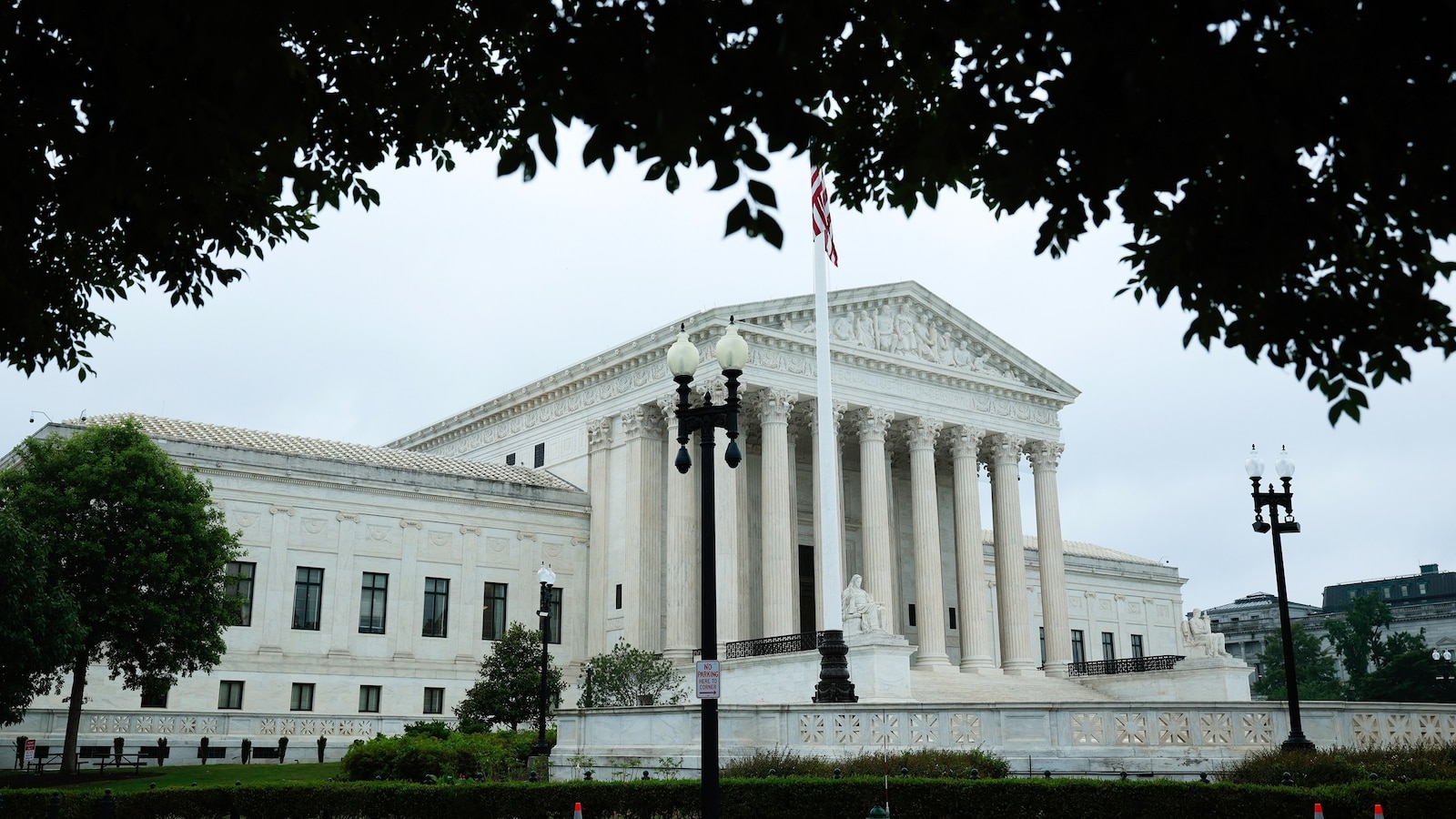
The decision to bolster federal power over green card holders' residency status is a significant development in the realm of immigration law. It marks a subtle yet profound shift in the balance between the government's authority and the rights of lawful permanent residents. The ruling, effectively making it easier for border officials to strip LPR status from individuals upon their arrival at U.S. ports of entry, has far-reaching implications for the estimated 14 million green card holders in the United States.
The U.S. Supreme Court's conservative majority has handed down a decision that grants border agents a considerable degree of latitude in their ability to remove lawful permanent residents who may have committed a crime involving 'moral turpitude.' According to the Immigration and Nationality Act, such individuals can be deemed inadmissible at ports of entry. In a 6-3 decision, Justice Clarence Thomas has ruled that border agents do not bear the burden of having to prove by 'clear and convincing evidence' that the immigrant had committed a crime before denying them admission. Rather, they need only show that there was reason to believe they had. This subtle distinction has sparked a contentious debate among immigration experts and lawmakers.
'We commend the Supreme Court for upholding the integrity of our immigration laws and the rule of law,' said Homeland Security Secretary Alejandro Mayorkas in a statement reacting to the ruling. Mayorkas's comments reflect the Trump administration's stance on immigration and law enforcement, which had previously emphasized the importance of strictly enforcing immigration laws. In contrast, critics of the decision, including Justice Ketanji Brown Jackson, argue that the government should bear the burden of proving that a green card holder had committed a crime before stripping them of their LPR status.
According to Jackson, the ruling undermines the plain terms of the law and could result in 'the Court allowing the government to return an LPR to the status of 'seeking admission' upon his entry at the border.' The dissenting justices argue that the new standard for removal could lead to a significant decline in the rights and protections afforded to lawful permanent residents. 'I worry that the Court has now handed the government a massive blank check,' Jackson wrote. A year after his initial denial, Lau pleaded guilty to the counterfeiting charge and was ordered deported. The complexities of U.S. immigration law are exemplified in Muk Choi Lau's case, which involved the delicate interplay of federal and local jurisdictions.
The implications of this decision extend far beyond the case of Muk Choi Lau. As a result of the Supreme Court's decision, many individuals will be subject to enhanced scrutiny when attempting to re-enter the country, potentially leading to increased deportations. Critics argue that the ruling undermines the integrity of the immigration process, while proponents argue that it upholds national security interests and upholds the rule of law. Given the complexities of the issue, experts predict that this decision will prompt further debate and revisions in U.S. immigration policy.
A crucial area for potential impact lies in the realm of asylum seekers. The ruling has sparked concerns that it may make it more challenging for asylum seekers to gain entry into the country. Many lawful permanent residents rely on asylum as a means of escaping persecution and violence in their home countries. Asylum eligibility requirements have been tightened in recent years, leaving many would-be asylum seekers caught in the bureaucratic crosshairs. The potential for increased deportations of asylum seekers adds an additional layer of complexity to an already strained system.
The decision also has significant potential implications for the tech and innovation sectors, which rely heavily on immigrant talent. Research has shown that green card holders are more likely to start businesses and pursue higher education than their U.S.-born counterparts. The removal of green card holders due to their involvement in crimes involving 'moral turpitude' could inadvertently hinder the growth and development of these critical sectors. Critics warn that this ruling could have unforeseen consequences, leading to economic stagnation and intellectual stagnation.
The Supreme Court's 6-3 decision in Blanche v. Lau makes it simpler for border officials to strip lawful permanent residents of their status if they've committed a crime involving 'moral turpitude'.
Pemerintah Kabupaten Aceh Tamiang: Bumi Muda Sedia Pulih dan Bangkit — Informasi Terbaru

Acara 600 ribu porsi kulinier gratis di Monas, menghidupkan semangat kebangsaan dan memperkuat rasa...

Hayden Panettiere, bintang televisi Amerika yang terkenal dengan perannya dalam serial 'Heroes' dan...

Jalan Merdeka Barat Dekat Istana Merdeka Jadi Parkir Liar Warga yang ke Monumen Nasional IDN Times

Kopassus Mengudara: Aksi Terjun Payung Terunggul di Istana Merdeka - Media Indonesia

Watch the live action of Tijuana vs. Cruz Azul, all the latest news, analysis, and match scores...

Netizen tidak senang dengan komentar-komentar yang diberikan

BTS mungkin kembali mengikuti Grammy setelah rekanan mereka, Recording Academy, mengumumkan revisi...
BTS mungkin tidak akan mengubah keputusan untuk mengabaikan Grammy karena deadline pengiriman musik...
Update terbaru tentang keputusan BTS untuk tidak mengirimkan musik mereka untuk dijadikan nominee...
Pihak Recording Academy mengumumkan akan kembali meninju keputusan untuk memperkenalkan kategori...

Sangyeop Sangyeop mengumumkan rencananya untuk menikah dengan seorang non-celebrity, mengejutkan...