

.jpg?w=1120&h=630)
Dallas Cowboys' Next Move: Exploring Adoree' Jackson's Potential Signing After Von Miller's Impactful Contract
Dallas Cowboys' Next Move: Exploring Adoree' Jackson's Potential Signing After Von Miller's...
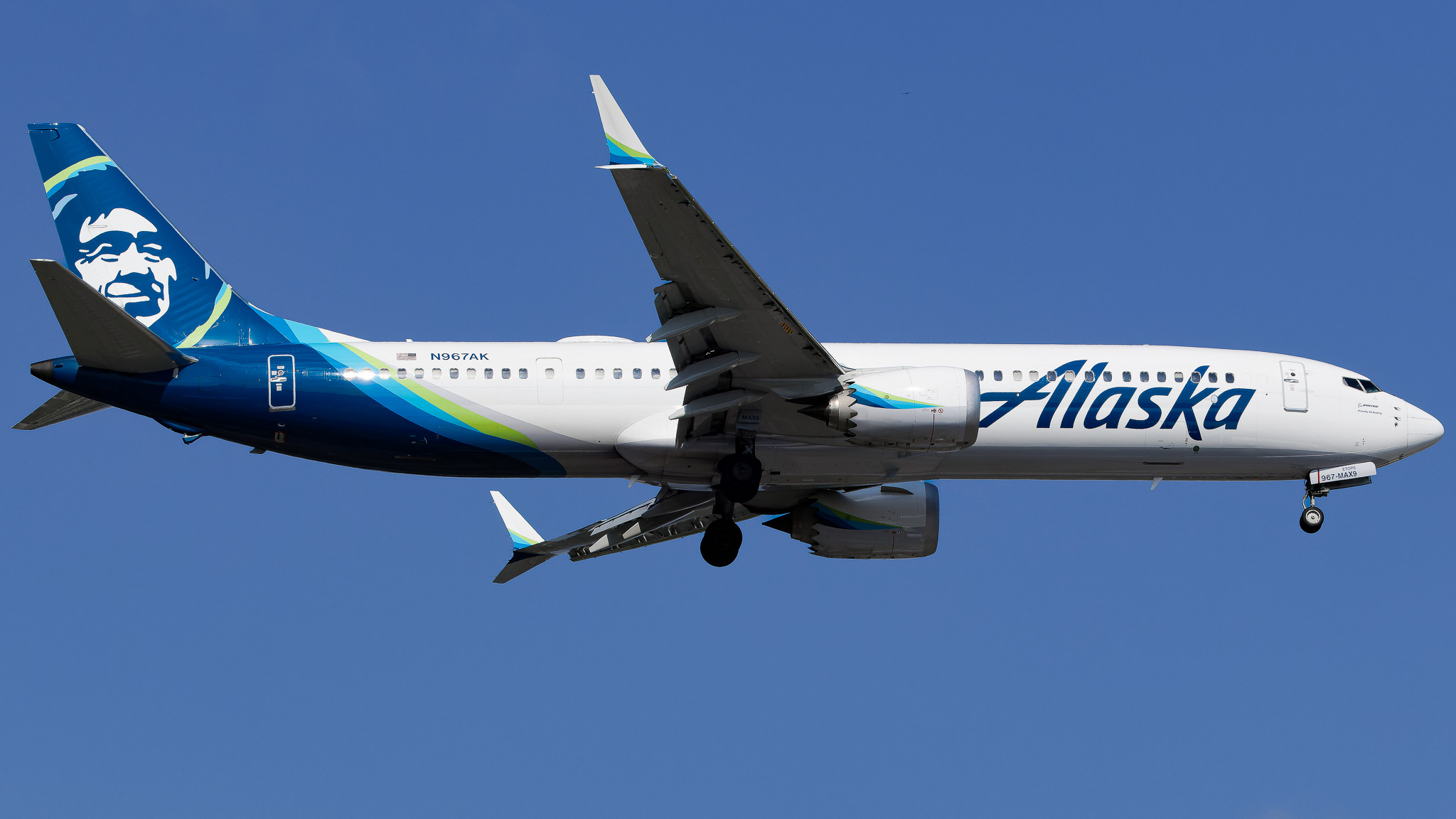
On August 9, 2026, an Alaska Airlines flight bound for Seattle, which had departed from Miami International Airport, was forced to return to the gate after passengers threatened flight attendants, claiming they would "take over" the plane. The incident, which has raised concerns about the safety of commercial air travel, was initially met with emergency response, including a lockdown of the cockpit and the involvement of law enforcement.
The Boeing 737, which had pushed back from the gate and was preparing to taxi, was delayed due to the disruption caused by the passengers. Crew members, who had quickly recognized the threat, followed established security protocols to restrict access to the flight deck and kept the pilots safe. Accounts of the incident indicate that at least one passenger made a statement suggesting an intent to take control of the aircraft, a threat that immediately triggered a heightened response from the flight crew.
"We have a customer disturbance on board right now with threats coming from customers, and I'm requesting to enter lockdown protocol while shutting down the engine and setting the parking brake," a pilot can be heard saying in communication with air traffic control. The pilots' decision to secure the cockpit door and shut down the engine led to a brief delay as ground crews reattached the pushback tug, allowing the aircraft to be towed back to the gate.
The cabin crew worked tirelessly to manage the situation while the captain coordinated with air traffic control and Alaska Airlines dispatch. Despite the initial concern, no injuries were reported, and no weapons were recovered. However, the incident has brought attention to the serious nature of threats directed at aircraft or their crew, even when they may be deemed not credible.
Aviation security experts note that threats of this nature, even when made by passengers who may not have the means to carry them out, are taken extremely seriously. The Federal Aviation Administration (FAA) requires airlines to follow strict protocols in response to any such threats, which include locking down the cockpit and involving law enforcement. The Transportation Security Administration (TSA) also has authority to impose civil fines and revoke security screening privileges for individuals involved in serious in-flight incidents.
The incident is a reminder of the importance of maintaining a safe and secure environment for all passengers on commercial flights. Airlines, including Alaska Airlines, have a zero-tolerance policy toward passengers who threaten crew members or attempt to interfere with flight operations. Passengers found guilty of such conduct can face severe penalties, including permanent bans from the airline, civil penalties from the FAA, and federal criminal charges.
While the threat was ultimately deemed not credible, the incident serves as a stark reminder of the complexities of airline security. As the aviation industry continues to evolve, the need for effective security measures and procedures will remain paramount. The incident will undoubtedly be reviewed and analyzed to determine the causes and prevent similar events from occurring in the future.
The Transportation Security Administration (TSA) has emphasized the importance of reporting any unusual behavior or threats to ensure the safety of all passengers. Alaska Airlines has not released a detailed public statement identifying the individuals involved and typically defers to law enforcement during investigations of this nature.
In light of this incident, airline passengers are advised to remain vigilant and report any suspicious activity to the authorities. While such threats may be deemed not credible, the consequences of responding to them will always have significant implications for the flight, its passengers, and the crew. The incident has once again highlighted the need for effective security protocols and a heightened awareness of potential threats.
As the aviation industry continues to navigate the complexities of security, it is crucial to understand the nuances of threats made on board flights. While this incident may have been a false alarm, it underscores the importance of taking such threats seriously and responding appropriately to ensure the safety of all involved.
This incident serves as a timely reminder of the critical role airline crew play in maintaining a safe and secure environment for all passengers. The flight attendants who responded to the situation are being recognized for their bravery and professionalism in the face of the threat.
A disturbing incident unfolds as passengers allegedly threaten to 'take over' an Alaska Airlines flight, prompting emergency response, but ultimately proved to be a false alarm.
Dallas Cowboys' Next Move: Exploring Adoree' Jackson's Potential Signing After Von Miller's...
Stay informed about Tropical Storm Lala's impact on Hawaii, with updates on warnings, advisories,...

Learn how to check if your car has been searched by Flock cameras and understand the implications...
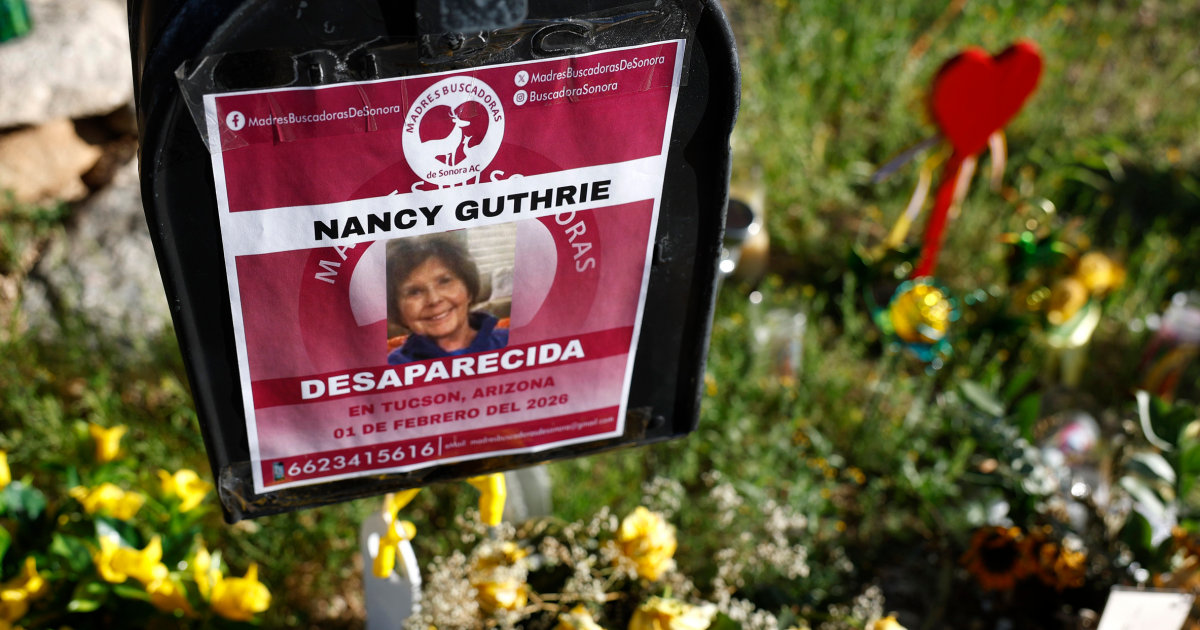
Investigation into Nancy Guthrie's Disappearance: Attorney General Todd Blanche's Perspective on...

Ukraine's military has launched one of its largest aerial attacks of the war, killing at least six...

Disney's EPCOT Imagination Pavilion is getting a major refresh, bringing back the iconic character...

Netizen tidak senang dengan komentar-komentar yang diberikan

BTS mungkin kembali mengikuti Grammy setelah rekanan mereka, Recording Academy, mengumumkan revisi...
BTS mungkin tidak akan mengubah keputusan untuk mengabaikan Grammy karena deadline pengiriman musik...
Update terbaru tentang keputusan BTS untuk tidak mengirimkan musik mereka untuk dijadikan nominee...
Pihak Recording Academy mengumumkan akan kembali meninju keputusan untuk memperkenalkan kategori...

Sangyeop Sangyeop mengumumkan rencananya untuk menikah dengan seorang non-celebrity, mengejutkan...