





FDA Issues Highest Level Egg Recall Following Widespread Salmonella Outbreak
The FDA has elevated the recent egg recall to its highest level due to a significant Salmonella...
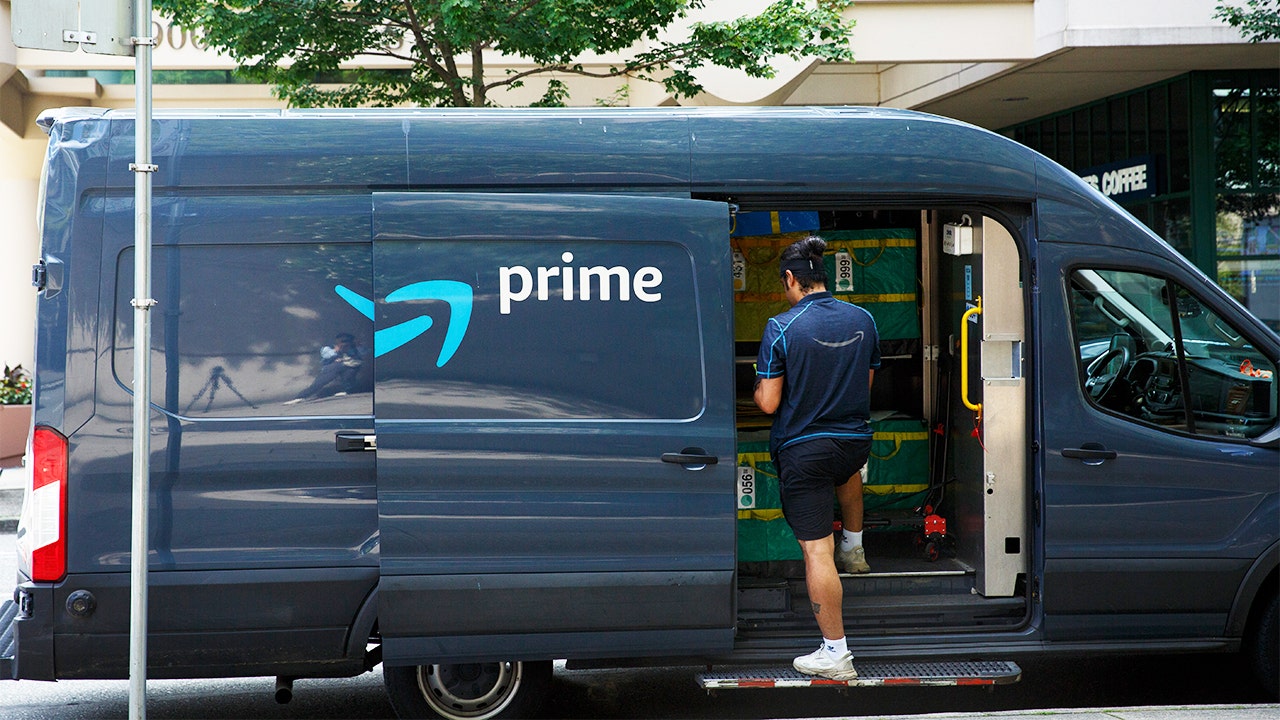
The Amazon Prime settlement has been a highly publicized topic in recent months, with millions of customers potentially eligible for a refund. The settlement, which was agreed upon in September 2025, requires Amazon to pay $2.5 billion, with $1.5 billion going into a consumer refund fund and $1 billion being paid as a civil penalty. The Federal Trade Commission (FTC) alleged that Amazon had enrolled consumers in Prime without obtaining informed consent and made it difficult for them to cancel their subscriptions. As a result, Amazon has agreed to change its enrollment and cancellation processes to provide clearer disclosures and make it easier for customers to decline or cancel Prime. The settlement is a significant victory for consumers, who will now have a better understanding of what they are signing up for and will be able to cancel their subscriptions more easily.
To be eligible for a refund, customers must have signed up for Amazon Prime through one of the enrollment flows challenged by the FTC, or have unsuccessfully tried to cancel their subscription online, between June 23, 2019, and June 23, 2025. The challenged enrollment flows include Amazon's universal Prime decision page, shipping selection page, single-page checkout, and Prime Video enrollment process. Customers who used more than three but fewer than 10 Prime benefits during any 12-month period of Prime enrollment and have not already received an automatic refund are also eligible to file a claim. The refund amount can be up to $51, and customers can submit their claims through the official settlement website. It is essential for customers to review the eligibility criteria carefully and submit their claims before the deadline to ensure they receive their refund.
The Amazon Prime settlement has significant implications for consumers and the company alike. The settlement highlights the importance of transparency and consumer protection in the digital age. Companies must ensure that their enrollment and cancellation processes are clear and easy to understand, and that customers are not misled or deceived. The settlement also demonstrates the FTC's commitment to protecting consumers and holding companies accountable for their actions. As one expert noted, 'The Amazon Prime settlement is a significant victory for consumers, and it sends a strong message to companies that they must prioritize transparency and consumer protection.' The settlement is also a reminder that companies must be proactive in addressing consumer concerns and complaints, rather than waiting for regulatory action.
The claims process is straightforward, and customers can submit their claims online through the official settlement website. Customers will need to provide some basic information, including their name, email address, and Amazon account information. They will also need to confirm that they either enrolled in Prime unintentionally or tried and failed to cancel their subscription through Amazon's online process. The settlement administrator will review each claim and determine whether the customer is eligible for a refund. If a claim is approved, the customer will receive a refund of up to $51, which can be issued by check, PayPal, or Venmo. It is essential for customers to keep a record of their claim and follow up with the settlement administrator if they have any questions or concerns.
The Amazon Prime settlement has sparked a lot of interest and debate among consumers and experts alike. Some have praised the settlement as a significant victory for consumers, while others have criticized it as inadequate. As one consumer noted, 'I'm glad that Amazon is being held accountable for its actions, but I'm not sure if the settlement goes far enough.' The settlement has also raised questions about the role of regulatory agencies in protecting consumers and the need for greater transparency and accountability in the digital age. As the settlement is implemented, it will be essential to monitor its impact and ensure that it achieves its intended goals. The settlement is a reminder that companies must prioritize consumer protection and transparency, and that regulatory agencies must be vigilant in enforcing consumer protection laws.
The Amazon Prime settlement is also a reminder of the importance of consumer education and awareness. Consumers must be aware of their rights and responsibilities when signing up for online services, and they must be vigilant in monitoring their accounts and subscriptions. As one expert noted, 'Consumers must take an active role in protecting themselves and their personal information online.' The settlement highlights the need for greater consumer education and awareness, particularly in the digital age. Companies must also prioritize consumer education and awareness, and provide clear and concise information about their services and terms. By working together, consumers and companies can ensure that the digital landscape is safe and transparent, and that consumers are protected from deceptive and unfair practices.
In conclusion, the Amazon Prime settlement is a significant development in the world of consumer protection. The settlement highlights the importance of transparency and consumer protection in the digital age and demonstrates the FTC's commitment to holding companies accountable for their actions. As the settlement is implemented, it will be essential to monitor its impact and ensure that it achieves its intended goals. Consumers must also be aware of their rights and responsibilities when signing up for online services, and they must be vigilant in monitoring their accounts and subscriptions. By prioritizing consumer protection and transparency, companies can build trust with their customers and ensure a positive and safe online experience. The Amazon Prime settlement is a significant step forward in the protection of consumers, and it will be interesting to see how it impacts the digital landscape in the months and years to come.
The settlement also raises questions about the future of consumer protection in the digital age. As technology continues to evolve and new online services emerge, it will be essential to ensure that consumer protection laws and regulations keep pace. The Amazon Prime settlement is a reminder that consumer protection is an ongoing process, and that companies and regulatory agencies must work together to ensure that consumers are protected. The settlement is also a reminder of the importance of international cooperation in consumer protection, as online services are often global in nature. By working together, countries and regulatory agencies can ensure that consumers are protected, regardless of where they are located or what online services they use. The Amazon Prime settlement is a significant development in the world of consumer protection, and it will be interesting to see how it shapes the future of online services and consumer protection.
As the deadline for filing claims approaches, it is essential for eligible customers to take action and submit their claims. Customers can visit the official settlement website to learn more about the settlement and to submit their claims. The website provides detailed information about the settlement, including the eligibility criteria, the claims process, and the refund amount. Customers can also contact the settlement administrator with any questions or concerns they may have. It is essential for customers to act quickly, as the deadline for filing claims is July 27, 2026. By submitting their claims, customers can receive a refund of up to $51 and help to ensure that companies prioritize consumer protection and transparency in the digital age.
Amazon Prime settlement: Learn how to claim your refund as part of the $2.5 billion FTC settlement. Eligible customers have until July 27, 2026, to file their claims.
The FDA has elevated the recent egg recall to its highest level due to a significant Salmonella...
FDA Upgrades Egg Recall to Class I: What It Means for Consumers Elpasotimes.com
A recent recall of 1.5 million dozen eggs has received the FDA's highest-risk warning, prompting...
The 'Reacher' Season 4 Cast Guide - Meet the Star-Studded Ensemble of New Faces and Returning...
A Florida-based company is currently recalling nearly 30,000 pounds of beef due to potential...
David Ellison's statement about Paramount's possible exit from Los Angeles on October 1 has sparked...

Netizen tidak senang dengan komentar-komentar yang diberikan

BTS mungkin kembali mengikuti Grammy setelah rekanan mereka, Recording Academy, mengumumkan revisi...
BTS mungkin tidak akan mengubah keputusan untuk mengabaikan Grammy karena deadline pengiriman musik...
Update terbaru tentang keputusan BTS untuk tidak mengirimkan musik mereka untuk dijadikan nominee...
Pihak Recording Academy mengumumkan akan kembali meninju keputusan untuk memperkenalkan kategori...

Sangyeop Sangyeop mengumumkan rencananya untuk menikah dengan seorang non-celebrity, mengejutkan...