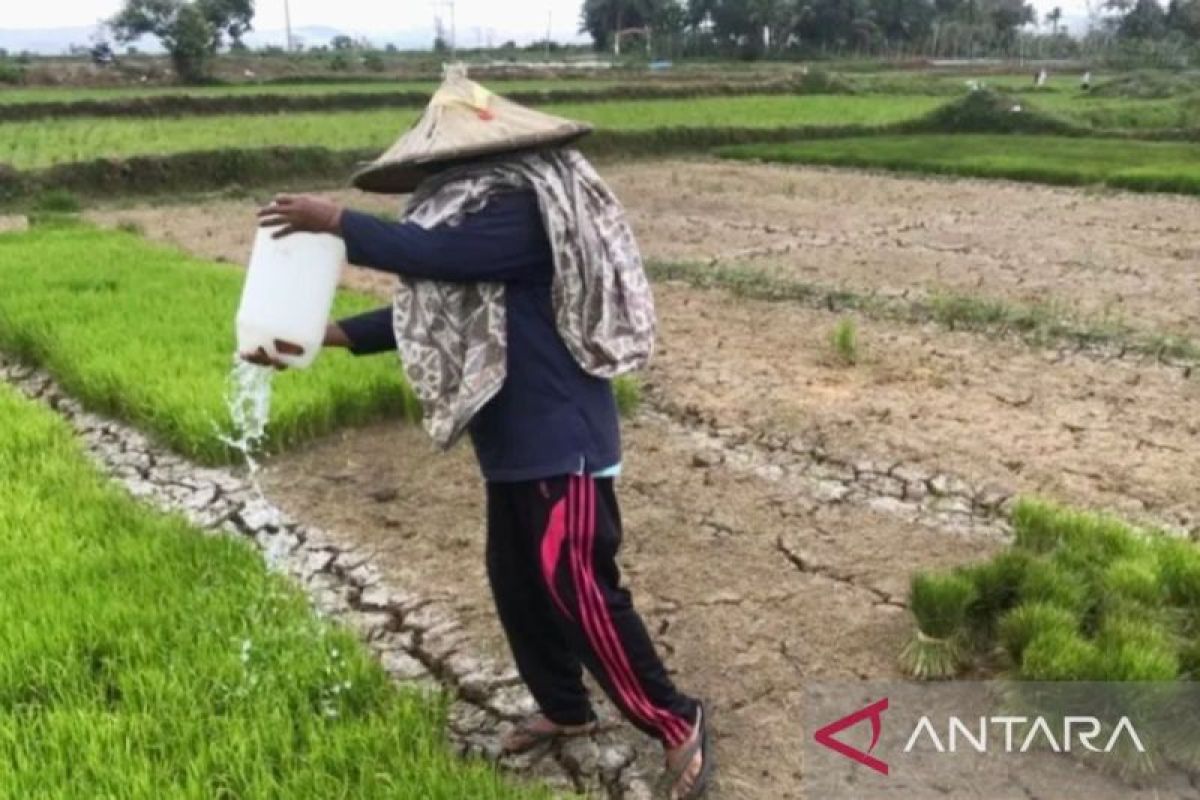




Pemerintah Kabupaten Aceh Tamiang: Bumi Muda Sedia Pulih dan Bangkit
Pemerintah Kabupaten Aceh Tamiang: Bumi Muda Sedia Pulih dan Bangkit — Informasi Terbaru

The request comes as a response to concerns raised by Armenia's business community, who have been affected by Russia's restrictive trade policies. Over the past few years, Armenia's exports to Russia have dwindled significantly, resulting in substantial losses for local businesses. The situation is particularly dire for the energy and chemical sectors, which have historically relied heavily on trade with Russia. Armenian authorities believe that a resolution to these restrictions would not only benefit Armenia's economy but also strengthen the country's relations with Russia.
According to sources close to the matter, Pashinyan has formally submitted a letter to Putin, highlighting the plight of Armenian businesses and the need for urgent intervention. The Armenian prime minister is reportedly seeking a comprehensive review of the existing restrictions, focusing on ways to ease export procedures and reduce bureaucratic hurdles. Furthermore, Pashinyan's letter emphasizes the importance of maintaining a stable and favorable trade environment between the two nations.
The issue of Russian restrictions on Armenian exports is rooted in the Nagorno-Karabakh conflict, which has had a lasting impact on Armenia's economy. The conflict, which began in the early 1990s, has resulted in significant economic losses for Armenia, largely due to the country's geographical proximity to Azerbaijan and its subsequent reliance on Russia for trade and economic support. Armenia's energy sector, in particular, has been heavily affected by the conflict, with Russia's restrictive policies exacerbating the difficulties faced by local businesses. Pashinyan's request to Putin is seen as a crucial step towards resolving these underlying issues and promoting regional cooperation.
Pashinyan's letter to Putin has been welcomed by Armenia's business community, who view the move as a positive development. Armenian entrepreneurs have long argued that Russia's restrictive trade policies have had a devastating impact on their livelihoods, leading to widespread closures and job losses. The easing of these restrictions would, therefore, be a significant boost to the local economy, allowing businesses to compete more effectively in the global market. As the Armenian prime minister seeks Putin's assistance, entrepreneurs are cautiously optimistic about the prospects of a resolution.
While Armenian authorities have yet to comment on the specific terms of the request, diplomats in Yerevan have expressed confidence that a mutually beneficial solution can be found. The ongoing negotiations with Russia are seen as a critical component of Armenia's broader foreign policy strategy, which seeks to balance the country's geopolitical alliances while promoting economic growth and stability. In the face of these challenges, Pashinyan's leadership is being closely watched by regional observers, who are eager to see how he navigates the complexities of Armenian-Russian relations.
The potential implications of a resolution to Russia's restrictions on Armenian exports extend far beyond the immediate benefits for the local economy. A successful outcome could also have significant implications for regional trade and cooperation, setting a positive precedent for future agreements between Armenia, Russia, and other regional players. Moreover, the easing of restrictions would demonstrate the potential for effective dialogue and compromise between two nations with a complex and often contentious history. As Armenia and Russia continue to navigate the intricacies of their relationship, a resolution to these restrictions could serve as a crucial catalyst for growth and prosperity in the region.
Going forward, Armenian authorities will need to engage in sustained dialogue with their Russian counterparts to address the underlying issues that have contributed to the restrictive trade policies. It is essential that both sides approach these discussions in a spirit of mutual understanding and cooperation, seeking to identify common ground and shared interests that can be leveraged to facilitate a resolution. By doing so, Armenia and Russia can create a more favorable trade environment, paving the way for increased economic cooperation and regional growth.
Armenia's Prime Minister Nikol Pashinyan has formally requested Russian President Vladimir Putin's assistance in resolving long-standing restrictions on Armenian exports to Russia.
Pemerintah Kabupaten Aceh Tamiang: Bumi Muda Sedia Pulih dan Bangkit — Informasi Terbaru

Acara 600 ribu porsi kulinier gratis di Monas, menghidupkan semangat kebangsaan dan memperkuat rasa...

Hayden Panettiere, bintang televisi Amerika yang terkenal dengan perannya dalam serial 'Heroes' dan...
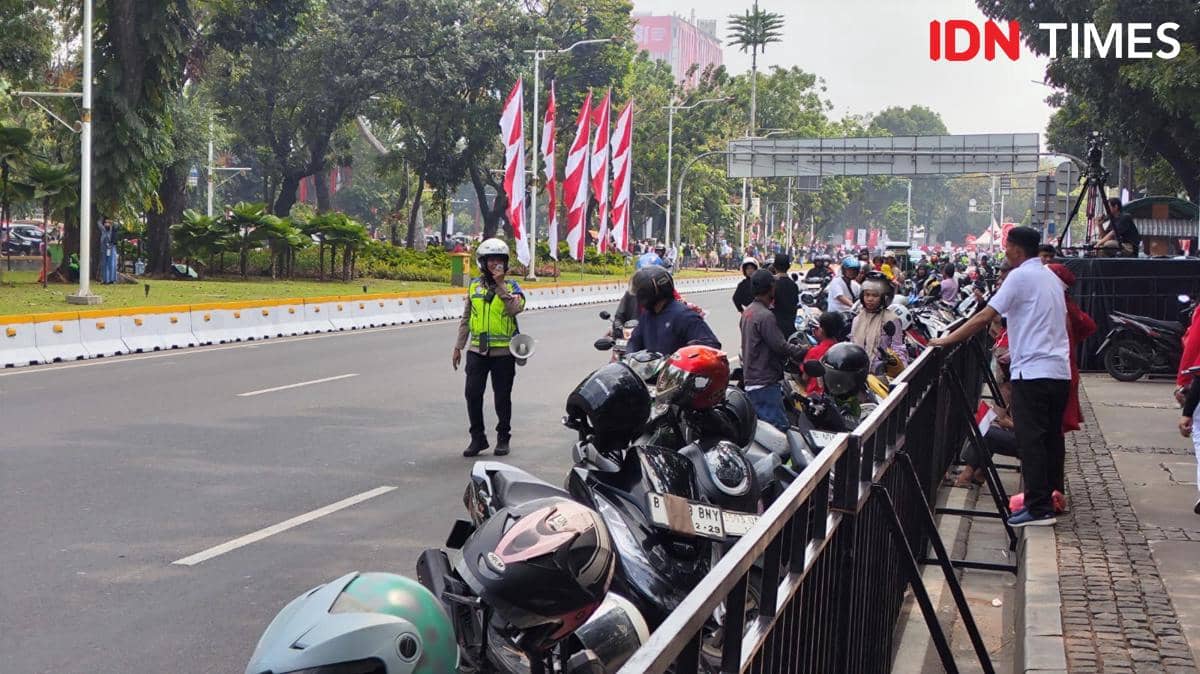
Jalan Merdeka Barat Dekat Istana Merdeka Jadi Parkir Liar Warga yang ke Monumen Nasional IDN Times

Kopassus Mengudara: Aksi Terjun Payung Terunggul di Istana Merdeka - Media Indonesia

Watch the live action of Tijuana vs. Cruz Azul, all the latest news, analysis, and match scores...

Netizen tidak senang dengan komentar-komentar yang diberikan

BTS mungkin kembali mengikuti Grammy setelah rekanan mereka, Recording Academy, mengumumkan revisi...
BTS mungkin tidak akan mengubah keputusan untuk mengabaikan Grammy karena deadline pengiriman musik...
Update terbaru tentang keputusan BTS untuk tidak mengirimkan musik mereka untuk dijadikan nominee...
Pihak Recording Academy mengumumkan akan kembali meninju keputusan untuk memperkenalkan kategori...

Sangyeop Sangyeop mengumumkan rencananya untuk menikah dengan seorang non-celebrity, mengejutkan...