

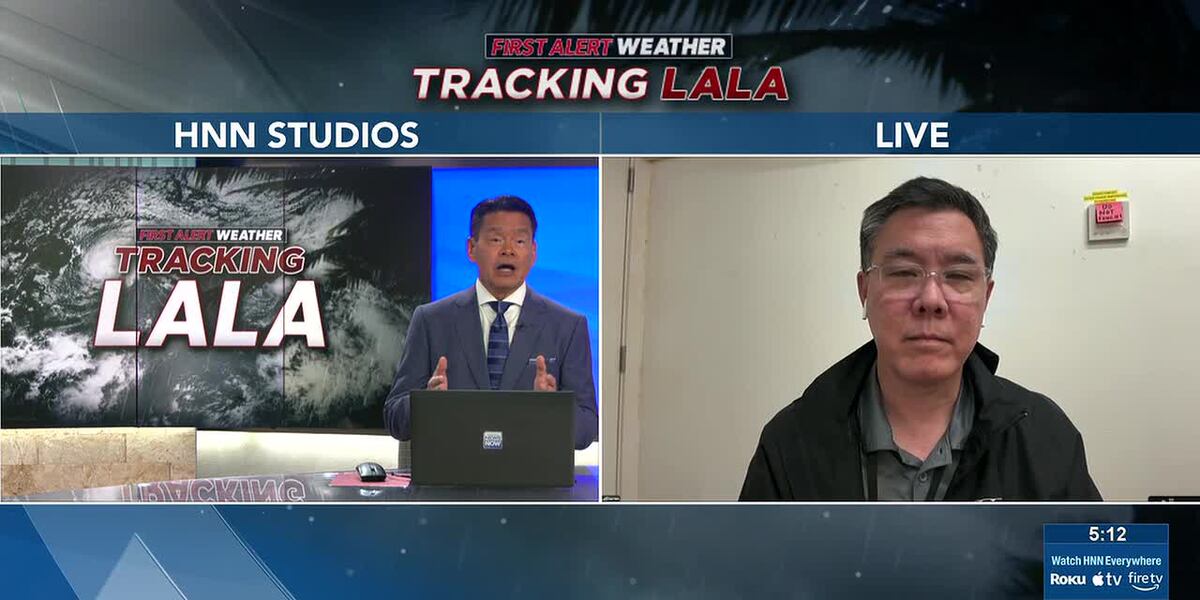
Hawaiian Electric Power Outage Update: 193,000 Affected
Darren Pai from Hawaiian Electric shares a critical 5 p.m. update on the ongoing power outage...

The Venezuela region was struck by two massive earthquakes, a magnitude 7.2 and a 7.5, in a span of mere minutes, leaving a trail of destruction, chaos, and a dire prediction of 10,000 to 100,000 casualties.
The first quake, measuring 7.2, hit near the city of San Felipe on Wednesday evening, about 284 kilometers (176 miles) west of the capital, Caracas, causing widespread destruction and panic. Less than an hour later, a second, even more powerful earthquake, measuring 7.5, struck near the town of Yumare, about 293 kilometers (182 miles) west of Caracas, further intensifying the chaos and devastation.
Venezuela's Acting President, Delcy Rodriguez, declared a state of emergency in the affected region, as authorities scrambled to assess the full extent of the damage and respond to the unfolding disaster. The US Geological Survey estimated that casualties could range from 10,000 to 100,000 people, a grim prediction that sparked fears of a humanitarian crisis.
As the country struggled to come to terms with the sheer scale of the disaster, eyewitness accounts emerged of the terrifying moments as the earthquakes struck. Heidi Romero, a 42-year-old shopkeeper, described the experience of being on the top floor of a shopping center when the quakes hit: 'It was unbelievable, I don't even know how long it lasted.'
Others shared similar harrowing tales of survival. 'I was in the same room as my bedridden sister when I felt a jolt,' said Carmen Guedez, a 69-year-old administrator. 'It kept getting stronger... I started to see the windows begin to move and then everything shook.'
As the full impact of the disaster began to sink in, the international community rallied to offer support to the affected region. Emergency services were activated to help with search and rescue efforts, and Interior Minister Diosdado Cabello called on motorists to clear the roads to allow emergency responders to treat the injured and carry out rescue operations.
Experts pointed to the region's unique geological makeup as a contributing factor to the devastating impact of the earthquakes. Venezuela lies in a 'massive strike-slip fault zone,' straddling the Caribbean Plate and the South American Plate, making it one of the most seismically active areas on Earth.
The capital city of Caracas, meanwhile, is situated in a deep sedimentary basin, which further amplifies the seismic waves from earthquakes, making it prone to seismic activity.
As the people of Venezuela grappled with the aftermath of these back-to-back disasters, the international community was left to ponder the implications of this catastrophe and what it might mean for the future of the region.
The World Bank and other aid agencies were mobilizing to provide relief and assistance to the affected communities, with many experts warning of the potential for long-term damage to the country's infrastructure and economy.
For now, the focus remained on rescuing those trapped under the rubble, providing medical aid to the injured, and supporting the bereaved families of the victims, as the nation struggled to come to terms with the sheer scale of the disaster.
As the situation unfolded, questions were being raised about the preparedness and response of the Venezuelan authorities to this disaster, and what lessons could be learned from this tragic event to prevent or mitigate the effects of future earthquakes in the region.
The international community watched with grave concern as the situation in Venezuela continued to deteriorate, with many calling for increased aid and support to help the affected regions recover from this devastating disaster.
As the long road to recovery began, many Venezuelans remained hopeful that their nation would emerge from this ordeal stronger and more resilient than ever before.
Venezuela struck by powerful back-to-back earthquakes, levelling buildings in the capital, Caracas, and prompting fears of mass casualties.
Darren Pai from Hawaiian Electric shares a critical 5 p.m. update on the ongoing power outage...
Stay informed about Tropical Storm Lala's impact on Hawaii, with updates on warnings, advisories,...
A comprehensive overview of the Sorrento Fire, including its impact, key facts, and future...
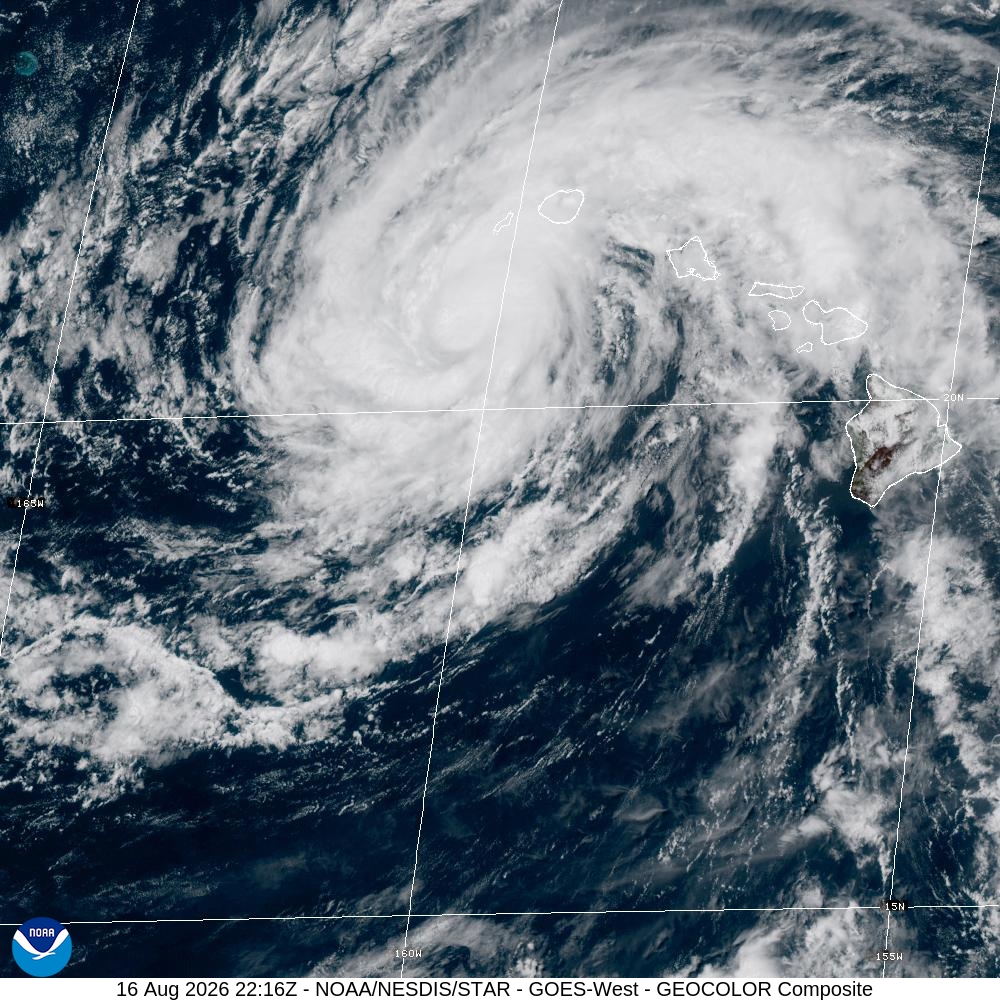
Tropical Storm Lala brought unprecedented rainfall and snowfall to Hawaii, raising questions about...
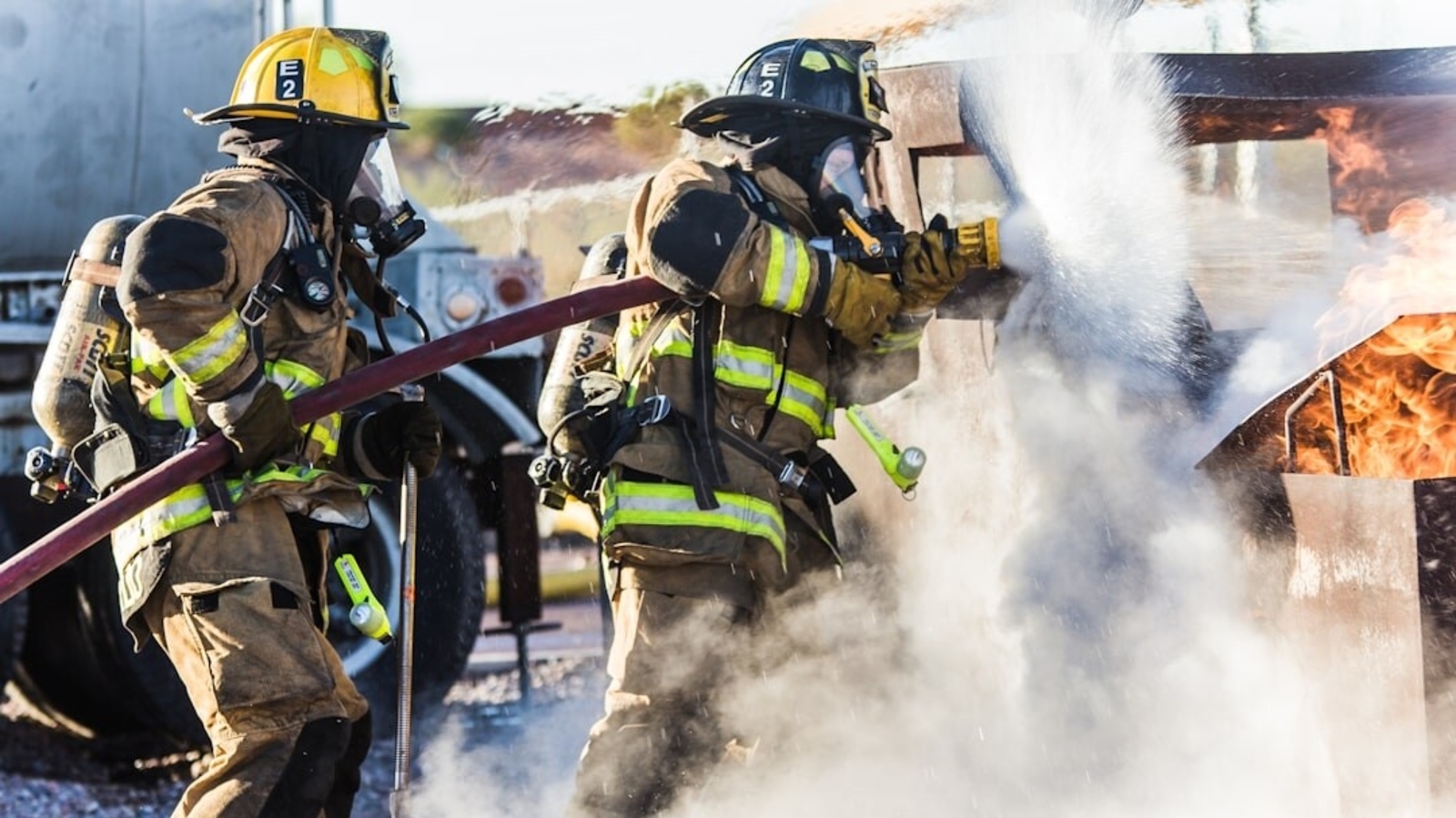
Downtown Dallas fire update and analysis, as a large plume of dark smoke was seen rising over the...

A massive fire broke out in southwestern Dallas, emitting large plumes of black smoke that could be...

Netizen tidak senang dengan komentar-komentar yang diberikan

BTS mungkin kembali mengikuti Grammy setelah rekanan mereka, Recording Academy, mengumumkan revisi...
BTS mungkin tidak akan mengubah keputusan untuk mengabaikan Grammy karena deadline pengiriman musik...
Update terbaru tentang keputusan BTS untuk tidak mengirimkan musik mereka untuk dijadikan nominee...
Pihak Recording Academy mengumumkan akan kembali meninju keputusan untuk memperkenalkan kategori...

Sangyeop Sangyeop mengumumkan rencananya untuk menikah dengan seorang non-celebrity, mengejutkan...