




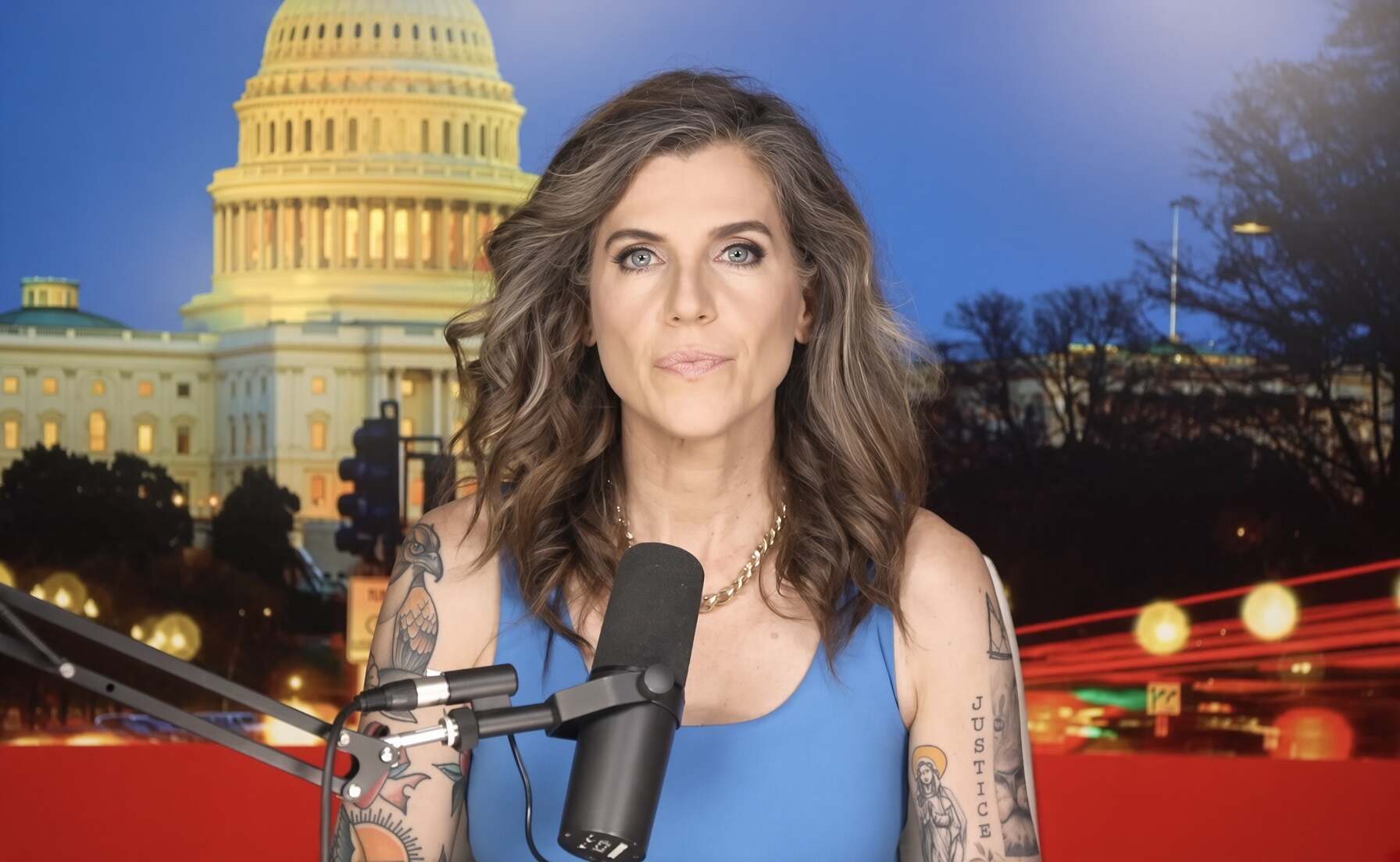
Nancy Mace: A Politician Takes the Fight to the People
FITSNews reports on Nancy Mace's transition from outgoing congresswoman to online talk show host,...

In a candid assessment of the American economic landscape, CEOs of the country's largest banks are grappling with the uncomfortable reality of a widening wealth gap. As they revel in record-breaking earnings, a select few are acknowledging the consequences of a system that favors the elite at the expense of the masses. The Federal Reserve reports that the top 0.1% of U.S. households now hold nearly six times as much of the country's wealth as the bottom half, a staggering disparity that has left many leaders questioning the morality of their success.
Banking giants like JPMorgan Chase and Goldman Sachs are leading the way, with CEO Jamie Dimon and his peers expressing concern over the growing income inequality. Dimon's own bank, JPMorgan Chase, just posted its best-ever quarter, but the CEO was quick to point out that the bank's success has come at a cost. 'We have, in fact, left the lower-income folks behind,' Dimon lamented, highlighting the systemic failures that have allowed the wealthy to accumulate vast sums while the poor struggle to make ends meet.
Others in the industry are also confronting the elephant in the room. Wells Fargo CEO Charlie Scharf, for instance, shared concerns about affordability while reporting a 17% profit jump. 'We need a nationwide campaign that celebrates paying taxes as a civic duty,' Scharf remarked, underscoring the sense of responsibility that many CEOs feel towards addressing the country's deepening economic divide.
BNY CEO Robin Vince, meanwhile, pointed out that 40% of people in America don't have direct exposure to the stock market – a staggering number that has significant implications for the country's economic health. Vince believes that initiatives like the U.S. Treasury's tax-advantaged accounts can play a key role in bridging this gap and empowering more Americans to participate in the financial system.
Despite the industry-wide recognition of the wealth gap, some CEOs are still hesitant to acknowledge their own role in perpetuating it. In a recent media dinner, a tech founder-CEO argued that the growing concentration of wealth was merely a minor issue and that all that money would eventually 'eventually go back to the masses through charity.' The argument was met with silence from the CEO's peers, who seemed to understand the absurdity of the claim.
Economist Steve Hanke offered a damning critique of the current economic landscape, noting that IBM's 25% crash was a sign that 'markets are getting mugged by reality.' Hanke suggested that inflated earnings and stretched valuations were driving the decline, rather than the AI-driven market forces that many had initially attributed the crash to.
Elsewhere, consumer-facing businesses are also reflecting on the nation's economic reality. Chipotle's debut Mexican location in the Monterrey area has been met with enthusiasm from consumers and experts alike, who believe that the chain's commitment to authentic cuisine could pay dividends in a market that is increasingly hungry for diversity.
New homes are now cheaper than existing ones for the first time in decades, as builders cut prices and offer incentives while resale owners continue to hold out for top dollar. The trend is driven in part by the fact that baby boomers dominate both buying and selling – a demographic that has more flexibility than younger buyers thanks to their accumulated equity and low-rate mortgages.
The global markets were mixed this morning, with S&P 500 futures down 0.07% and the STOXX Europe 600 down 0.37%. The U.K.'s FTSE 100 was also down 0.35%, while Japan's Nikkei 225 slumped by 2.79%. South Korea's KOSPI dropped 6.37%, China's CSI 300 fell 1.85%, and Hong Kong's Hang Seng rose 1.33%. India's NIFTY 50 was up a modest 0.08%, while Bitcoin surged to $64K.
The tech industry continued to churn out innovative solutions, with a $21 billion company behind Eventbrite, Vimeo, and AOL revealing its secret to selecting top talent from a staggering 800,000 job applications. Flock Safety, the company behind a popular crime prevention platform, is renegotiating its partnership with the LAPD over concerns around civil liberties.
Scott Bessent weighed in on the debate around the $1 coin, suggesting that featuring Donald Trump's face on it would 'honor the enduring legacy of liberty' with a 'lasting symbol of patriotism.' Meanwhile, OpenAI stirred up controversy by claiming that Apple's AI speaker idea was a rip-off.
CEO Daily is curated and edited by a team of experienced journalists who provide readers with the latest news and insights on the global business landscape. Diane Brady, a renowned expert on leadership and global business, oversees the Fortune CEO Initiative and co-hosts the Leadership Next podcast.
This newsletter is owned and operated by FORTUNE Media IP Limited, a leading media company that provides readers with the highest-quality content on business, finance, and innovation.
As bank CEOs celebrate record-breaking earnings, many are acknowledging the growing disparity between the rich and the poor in America.
FITSNews reports on Nancy Mace's transition from outgoing congresswoman to online talk show host,...

Tommy John, the four-time MLB All-Star and namesake of the Tommy John surgery, has left a lasting...
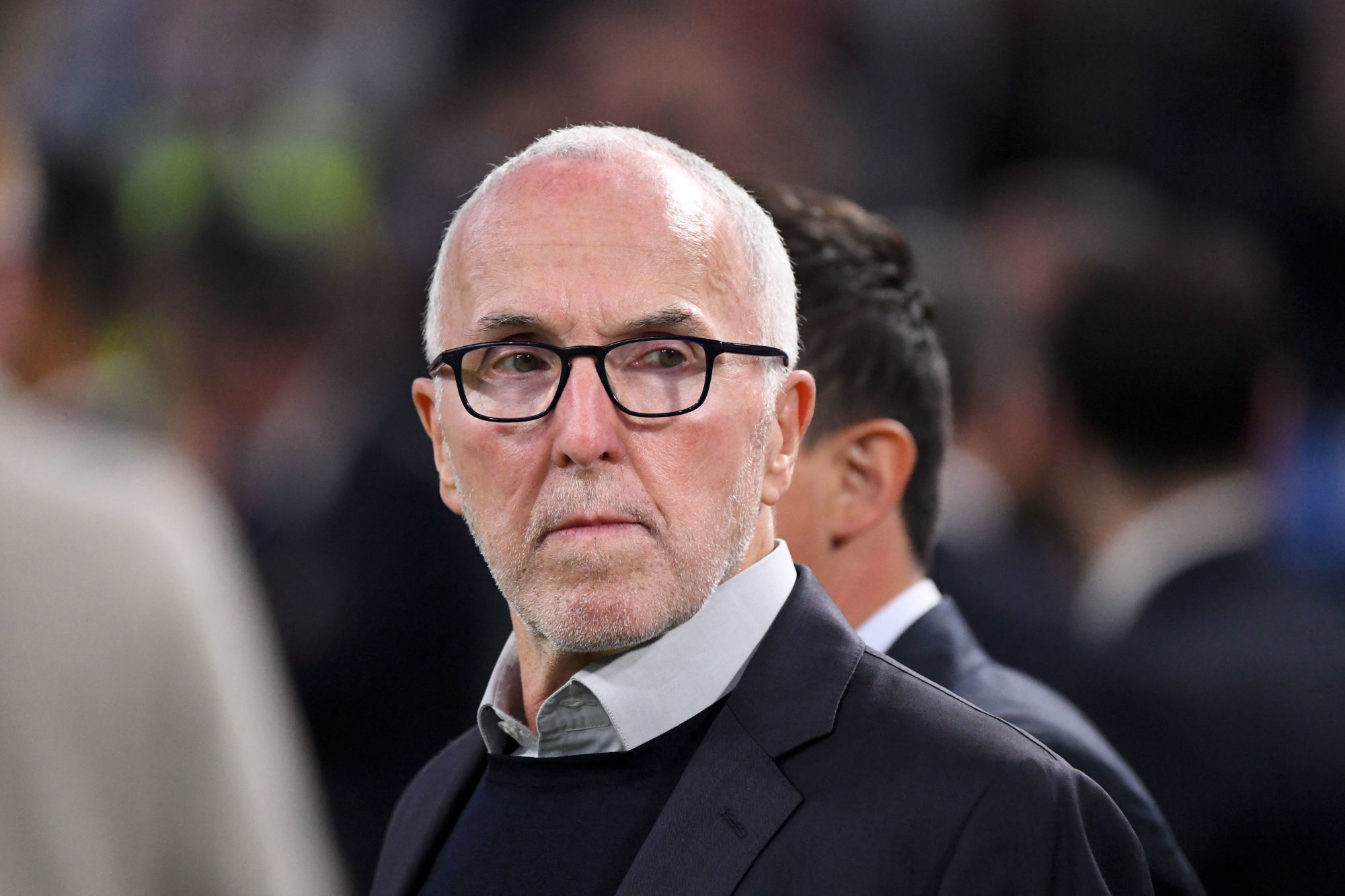
Marseille's Owner Injects €50.2 Million into the Football Club: A Strategic Move to Secure the...
Rebel Creamery LLC, a major ice cream brand, has filed for Chapter 11 bankruptcy following a...
Major ice cream brand seeks Chapter 11 bankruptcy after lawsuit
Get ready for the ultimate Disney experience as Disney D23 brings thrilling news for park...

Netizen tidak senang dengan komentar-komentar yang diberikan

BTS mungkin kembali mengikuti Grammy setelah rekanan mereka, Recording Academy, mengumumkan revisi...
BTS mungkin tidak akan mengubah keputusan untuk mengabaikan Grammy karena deadline pengiriman musik...
Update terbaru tentang keputusan BTS untuk tidak mengirimkan musik mereka untuk dijadikan nominee...
Pihak Recording Academy mengumumkan akan kembali meninju keputusan untuk memperkenalkan kategori...

Sangyeop Sangyeop mengumumkan rencananya untuk menikah dengan seorang non-celebrity, mengejutkan...