



Investigation into Nancy Guthrie's Disappearance: Attorney General Todd Blanche's Perspective
Investigation into Nancy Guthrie's Disappearance: Attorney General Todd Blanche's Perspective on...

The world of reptile smuggling is a treacherous one, filled with players who risk everything to profit from the lucrative trade. According to estimates, the global reptile trade is a $23 billion industry, with thousands of species being captured, sold, and often brutally mistreated. Behind the scenes, a complex network of smugglers, dealers, and collectors drive this illicit market, often with devastating consequences for the animals involved. The motivations behind reptile smuggling vary, ranging from financial gain to a twisted obsession with owning exotic creatures.
In HBO's gripping docuseries, 'Monsters of God,' A24 sheds light on five particularly shocking stories of reptile smuggling, offering a glimpse into the dark underbelly of this world. From the poachers who target vulnerable species in their natural habitats to the dealers who sell these creatures to wealthy collectors, no stone is left unturned in this expose. As the series delves into the lives of individuals involved in reptile smuggling, a more nuanced understanding emerges: one marked by desperation, greed, and a shocking disregard for life. The series highlights cases like the infamous 'Reptile King,' a notorious smuggler caught in 2019 with a haul of over 3,400 reptiles. The sheer scale of his operation was unprecedented, and his arrest sent shockwaves through the reptile community. However, as the series reveals, this was not an isolated incident, and the reptile trade faces numerous challenges in curbing such activities. One key factor contributing to the persistence of reptile smuggling is the lack of effective regulation and enforcement. In many countries, the trade is poorly monitored, and the penalties for being caught are often minimal. This creates a culture of complacency, where individuals feel they can operate with impunity. Furthermore, the allure of financial gain proves a powerful draw for many, particularly in communities where other employment opportunities are scarce. The implications of reptile smuggling go far beyond the immediate suffering of the animals involved. By driving species extinction and disrupting ecosystems, this trade has far-reaching consequences for the environment as a whole. As the series highlights through expert interviews and field research, the delicate balance of nature is at risk when we allow the reptile trade to thrive unregulated. As we move forward, the need for effective action becomes increasingly apparent. Governments, conservation organizations, and the public at large must work together to address the root causes of reptile smuggling. This entails strengthening laws, boosting enforcement efforts, and raising awareness about the devastating impact of this trade. By doing so, we can create a world where the allure of exotic creatures does not come at the cost of animal suffering or ecosystem destruction. In the long term, the success of these efforts will depend on a multifaceted approach that addresses the social, economic, and cultural factors driving reptile smuggling. By engaging with local communities, supporting conservation initiatives, and promoting education and awareness, we can reduce the demand for illicit reptiles and bring those responsible to justice. As we face the complex challenges of the 21st century, one thing is clear: the time to act is now, before the reptile trade continues to ravage our planet and leave us with a barren, exploited world.
HBO's A24 docuseries delves into the gripping world of reptile smuggling, exposing the shocking stories of those who dare to breach the law.
Investigation into Nancy Guthrie's Disappearance: Attorney General Todd Blanche's Perspective on...

Monica White's life took a dramatic turn when she discovered her date was a serial killer, leaving...

Shooting in Hollywood Leaves Two Injured: Understanding the Aftermath WPLG Local 10

Get ready to experience Lanterns, HBO's ambitious new DC Comics series, from a different...
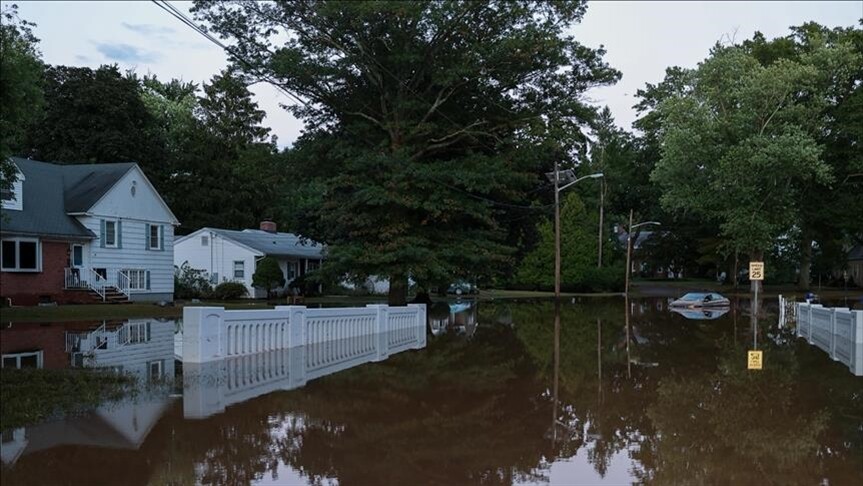
At least 6 dead as historic flooding inundates US state of Indiana, leaving a trail of destruction...
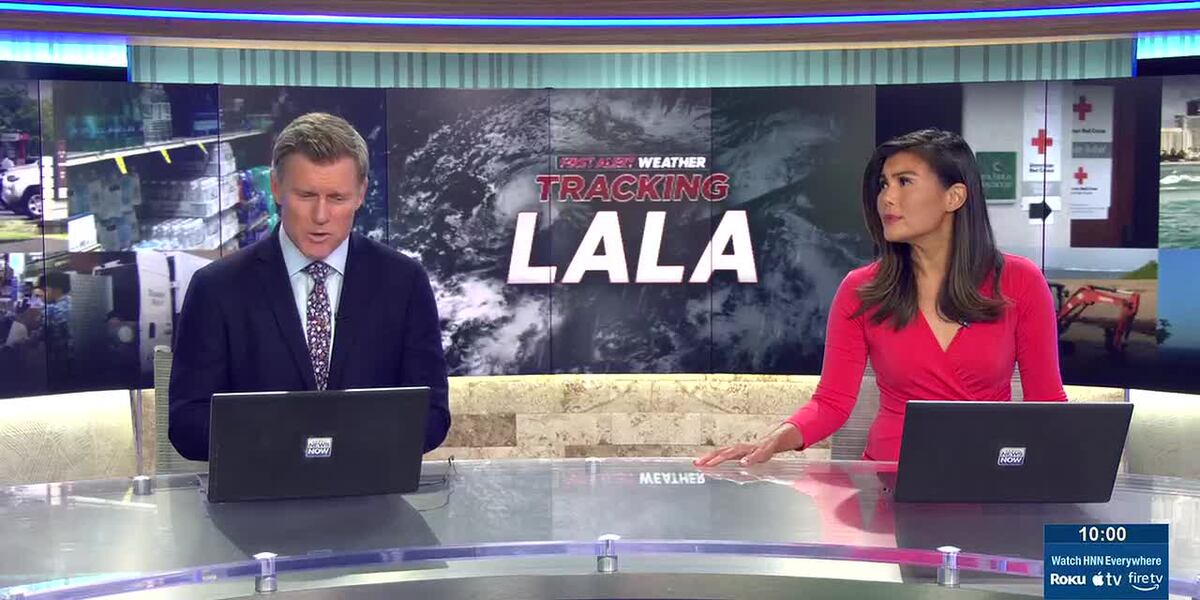
A powerful storm has struck Naalehu, resulting in the destruction of two homes, leaving residents...

Netizen tidak senang dengan komentar-komentar yang diberikan

BTS mungkin kembali mengikuti Grammy setelah rekanan mereka, Recording Academy, mengumumkan revisi...
BTS mungkin tidak akan mengubah keputusan untuk mengabaikan Grammy karena deadline pengiriman musik...
Update terbaru tentang keputusan BTS untuk tidak mengirimkan musik mereka untuk dijadikan nominee...
Pihak Recording Academy mengumumkan akan kembali meninju keputusan untuk memperkenalkan kategori...

Sangyeop Sangyeop mengumumkan rencananya untuk menikah dengan seorang non-celebrity, mengejutkan...