





Trump Administration Announces Reduction in U.S.-South Korea Joint Military Exercises
The decision to cut back on military drills with South Korea has significant implications for...

The Blue Angels, officially known as the United States Navy Flight Demonstration Squadron, have been thrilling audiences with their aerial performances since 1946. With their distinctive blue and gold jets, they have become an iconic symbol of American aviation and military prowess. The team consists of highly trained pilots who undergo rigorous training to ensure their skills meet the highest standards. The close beach flyby in Florida, however, has sparked debate and discussion about the risks and benefits of such low-altitude maneuvers. When considering the who, what, when, where, why, and how of this incident, it becomes clear that understanding the context and motivations behind the decision to perform this flyby is essential.
The investigation into the incident was thorough, with officials examining all aspects of the flyby, including the planning, execution, and safety protocols in place. The fact that no punishments were handed down to the pilots involved suggests that the investigation found no significant breaches of protocol or safety guidelines. This outcome has been met with a mix of reactions, ranging from relief that the pilots were not penalized to concern that the lack of punishment may not adequately address the risks associated with such maneuvers. The Blue Angels' performances are carefully choreographed to ensure safety while also providing an exhilarating experience for the audience. However, incidents like the close beach flyby highlight the importance of constant vigilance and adherence to safety protocols. The team's precision and skill are undeniable, but the question remains whether such low-altitude flybys are necessary or if they pose an unacceptable risk to both the pilots and the public.
From a historical perspective, the Blue Angels have consistently pushed the boundaries of what is possible in aviation, showcasing the capabilities of the Navy's aircraft and pilots. Their performances are not only entertaining but also serve as a recruitment tool, inspiring young people to pursue careers in aviation and the military. The team's impact on American culture and its role in promoting national pride are significant. However, when incidents like the close beach flyby occur, they underscore the need for a balanced approach that considers both the thrill of the performance and the safety of all involved. The why behind the decision to perform this particular maneuver may never be fully known, but it is clear that the implications of such actions are multifaceted. The how, in terms of the execution of the flyby, is also a subject of interest, as it involves understanding the complex interplay of factors that lead to such a decision.
The future outlook for the Blue Angels and similar aerial demonstration teams is likely to involve continued scrutiny of their safety protocols and performance practices. As technology advances and the capabilities of aircraft improve, the possibilities for aerial performances will expand, but so too will the risks. Finding a balance between showcasing the skill and precision of these pilots and ensuring the safety of the audience and the pilots themselves will be crucial. The Blue Angels have always been about pushing the limits of what is possible while inspiring and thrilling their audiences. The question now is how they will adapt to the changing landscape of safety concerns and public expectations. The incident in Florida serves as a catalyst for this discussion, underscoring the importance of constant evaluation and improvement in the pursuit of both safety and spectacle.
In terms of what this incident means for the broader aviation community, it highlights the ongoing debate about the role of aerial demonstration teams in modern aviation. These teams serve not only as entertainment but also as ambassadors for their respective countries' military and aviation capabilities. The close beach flyby, and the subsequent investigation, bring into focus the challenges of maintaining the excitement and thrill of these performances while minimizing risk. The international community watches these teams with great interest, and incidents like this can have far-reaching implications for how aerial performances are perceived and regulated. The when and where of such incidents are also critical, as they can influence public perception and safety policies in the regions where they occur.
Looking forward, it will be interesting to see how the Blue Angels and other aerial demonstration teams respond to the challenges posed by incidents like the close beach flyby. The team's commitment to safety, precision, and excellence is well-documented, but the evolving nature of aviation and public expectations means that they must continually adapt. The how of this adaptation—whether through changes in performance practices, advancements in technology, or shifts in safety protocols—will be a key factor in determining the future success and safety of these teams. The Blue Angels' legacy as a symbol of American aviation excellence is secure, but the ongoing narrative of their performances will be shaped by how they navigate these challenges and continue to inspire audiences around the world. The what, in terms of the content and nature of their performances, will also evolve, reflecting both the team's desire to innovate and the need to address safety concerns.
The category of aerial performances and demonstration teams is complex and multifaceted, involving aspects of aviation, military culture, entertainment, and public safety. The Blue Angels, as one of the most recognizable and respected teams in this category, play a significant role in shaping public perception and safety standards. Their actions, including incidents like the close beach flyby, have implications that extend beyond the team itself to the broader aviation community and the public at large. The Blue Angels' story is one of skill, precision, and excitement, but also of the constant pursuit of safety and excellence in a highly demanding and evolving field. Understanding this context is essential for appreciating the significance of incidents like the close beach flyby and for looking towards the future of aerial demonstration teams.
The implications of the close beach flyby are far-reaching, touching on aspects of safety, public perception, and the future of aerial performances. The fact that no punishments were handed down to the pilots suggests a level of confidence in the safety protocols and decision-making processes in place. However, the incident also underscores the importance of vigilance and the need for ongoing evaluation of safety practices. The Blue Angels, and teams like them, must balance the desire to push the boundaries of what is possible with the need to ensure safety. This balance is at the heart of their performances and is what makes their achievements so remarkable. The ability to inspire and thrill audiences while maintaining the highest safety standards is a testament to the skill and dedication of the pilots and the entire team. The future of the Blue Angels and similar teams will likely involve a continued emphasis on safety, innovation, and excellence, as they strive to maintain their position as leaders in the world of aerial demonstration.
Finally, considering the background, key facts, analysis, implications, and future outlook of the Blue Angels' close beach flyby in Florida, it is clear that this incident has provided a catalyst for discussion and reflection within the aviation community and beyond. The absence of punishments for the pilots involved highlights the complexity of the issue and the numerous factors at play. The Blue Angels' legacy and commitment to safety and excellence are unparalleled, and their future performances will undoubtedly continue to inspire and thrill audiences. The context of this incident, including the who, what, when, where, why, and how, offers a rich tapestry of insights into the world of aerial demonstration teams and the challenges they face. As the Blue Angels look to the future, their ability to adapt, innovate, and maintain their high standards will be crucial in addressing the evolving landscape of safety concerns, public expectations, and the pursuit of excellence in aviation.
The Blue Angels' recent close beach flyby in Florida has garnered significant attention, with many wondering what led to this decision and what implications it may have. As reported by The New York Times, the incident has been thoroughly investigated, and the outcome has been met with both relief and curiosity. The incident involved a low-altitude flyby over a beach in Florida, raising concerns among onlookers and prompting an investigation into the matter. The Blue Angels, known for their precision and skill, have been a staple of American aviation for decades, with their performances being a highlight of numerous air shows across the country. Their ability to perform complex maneuvers with ease and precision has captivated audiences, but this recent incident has raised questions about the safety and judgment of the pilots involved.
The decision to cut back on military drills with South Korea has significant implications for...

Ukraine's military has launched one of its largest aerial attacks of the war, killing at least six...

Families of sailors on the USS Lincoln express concerns over the prolonged deployment and living...
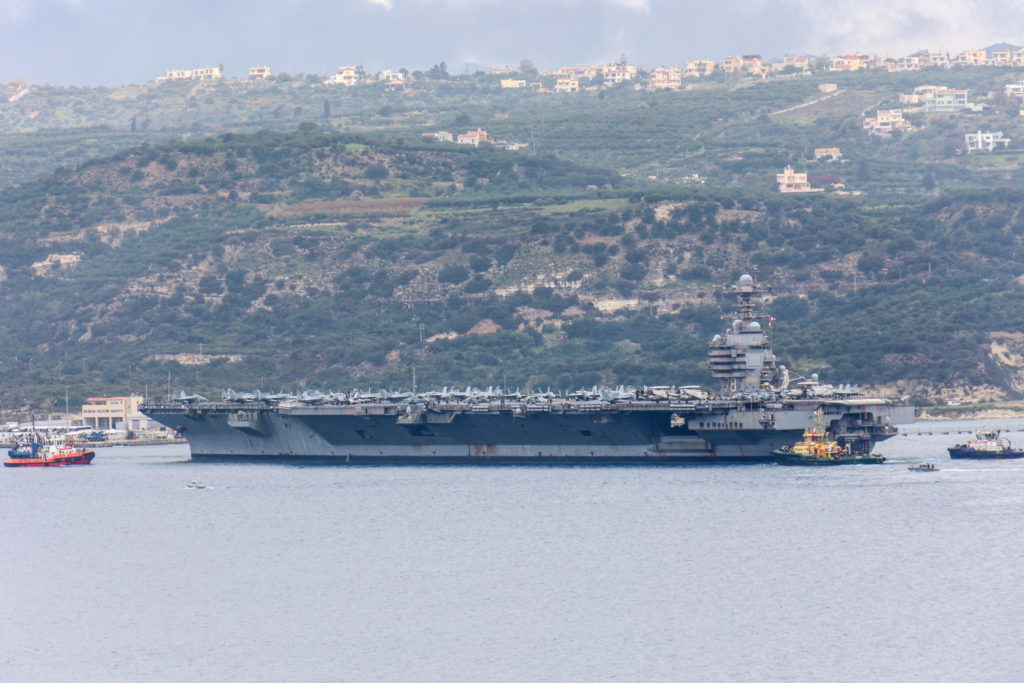
The United States has withdrawn its last aircraft carrier from Asia, a strategic move signifying a...
A high-stakes aerial confrontation was narrowly averted in the United States as two commercial...
The Nos. 20 and 51 Cup Series teams were penalized after failing multiple pre-season inspections at...

Netizen tidak senang dengan komentar-komentar yang diberikan

BTS mungkin kembali mengikuti Grammy setelah rekanan mereka, Recording Academy, mengumumkan revisi...
BTS mungkin tidak akan mengubah keputusan untuk mengabaikan Grammy karena deadline pengiriman musik...
Update terbaru tentang keputusan BTS untuk tidak mengirimkan musik mereka untuk dijadikan nominee...
Pihak Recording Academy mengumumkan akan kembali meninju keputusan untuk memperkenalkan kategori...

Sangyeop Sangyeop mengumumkan rencananya untuk menikah dengan seorang non-celebrity, mengejutkan...