


The Independence of the US Department of Justice: Todd Blanche's Uncertain Pledge
The Importance of an Independent US Department of Justice: Understanding Todd Blanche's Remarks

Brazil has taken the significant step of recalling its ambassador from a foreign country after Javier Milei, an Argentine politician, made what were deemed offensive remarks about Luiz Inácio Lula da Silva, the President of Brazil. This move underscores the seriousness with which Brazil views such comments, especially from notable figures like Milei. The decision to recall the ambassador is a diplomatic action that reflects the strained relations between the two nations following these comments. It is a clear indication of how protective Brazil is of its leader and its sovereignty. The incident highlights the complex web of diplomatic relations and how sensitive these can be to public statements.
The background to this diplomatic spat is rooted in the comments made by Milei, which were seen as not only an attack on Lula but also on Brazil's sovereignty and its people. Such actions and reactions are not new in the sphere of international diplomacy, where words can have significant consequences. Brazil's response, therefore, is seen as a measure to protect its national dignity and to express its displeasure at the remarks. The situation is a reminder of the delicate balance that exists between nations and how statements by influential individuals can disrupt this balance. The role of ambassadors as representatives of their countries becomes critical in such scenarios, as they are often the first point of contact in diplomatic crises.
When analyzing the implications of this action, it becomes clear that the effects can be far-reaching. The recall of an ambassador is a serious step that can lead to a decrease in diplomatic engagement and cooperation between the two countries involved. This can have various consequences, including impacts on trade, cultural exchange programs, and security cooperation. The situation also raises questions about freedom of speech and the limits of what can be considered acceptable in diplomatic contexts. The fact that Milei's comments were directed at a head of state complicates the matter further, as such statements can be seen as an affront not just to the individual but to the state itself. The incident is a test of the diplomatic relationship between the two countries and their ability to navigate through such challenges.
The role of the media in reporting such incidents also comes under scrutiny. The way news outlets cover diplomatic spats can influence public opinion, which in turn can pressure governments into taking certain actions. The need for responsible reporting that provides context and does not inflame tensions is critical in such situations. The public's perception of the situation can be shaped by the media, and there is a risk that diplomatic actions could be influenced more by public opinion than by careful diplomatic consideration. Therefore, it is essential for media outlets to approach such stories with sensitivity, providing balanced coverage that does not exacerbate the situation.
Looking ahead, the future outlook for the relationship between Brazil and the country from which the ambassador was recalled may be challenging. Rebuilding trust after such incidents can take time and requires effort from both sides. Diplomatic channels will likely remain open, but the level of engagement and cooperation may be reduced until the situation is resolved. The international community may also watch with interest, as the handling of such situations can have implications for global diplomacy. The way countries navigate these challenges can set precedents for how future diplomatic spats are handled. For Brazil, the focus will be on protecting its national interests while seeking to normalize relations when the time is right.
In conclusion, the recall of Brazil's ambassador following Milei's offensive remarks about Lula highlights the complex and sensitive nature of international diplomacy. It shows how comments from influential individuals can lead to significant diplomatic actions and how protective nations can be of their leaders and sovereignty. As the situation unfolds, it will be important to monitor how both countries work towards resolving their differences and restoring their diplomatic relationship. The incident serves as a reminder of the importance of diplomatic etiquette and the careful consideration that must be given to public statements, especially when they concern foreign leaders and nations.
The long-term implications of this incident could also reflect in the political landscape of the countries involved. Domestic politics can be influenced by international relations, and leaders may face scrutiny for their handling of diplomatic crises. The ability of leaders to navigate through such challenges while maintaining the support of their populace is crucial. Furthermore, the incident highlights the interconnectedness of the world, where actions in one part of the globe can have repercussions elsewhere. This interconnectedness necessitates careful consideration and cooperation among nations to address common challenges and resolve disputes peacefully.
Brazil recalls its ambassador following offensive comments made by Milei regarding Lula, sparking diplomatic tensions



The Importance of an Independent US Department of Justice: Understanding Todd Blanche's Remarks
Donald Trump orders Pentagon to scale back joint military exercises with South Korea, citing his...
Representative Nancy Mace embarks on a new journey, unveiling her full sleeves of long-concealed...
The decision to cut back on military drills with South Korea has significant implications for...
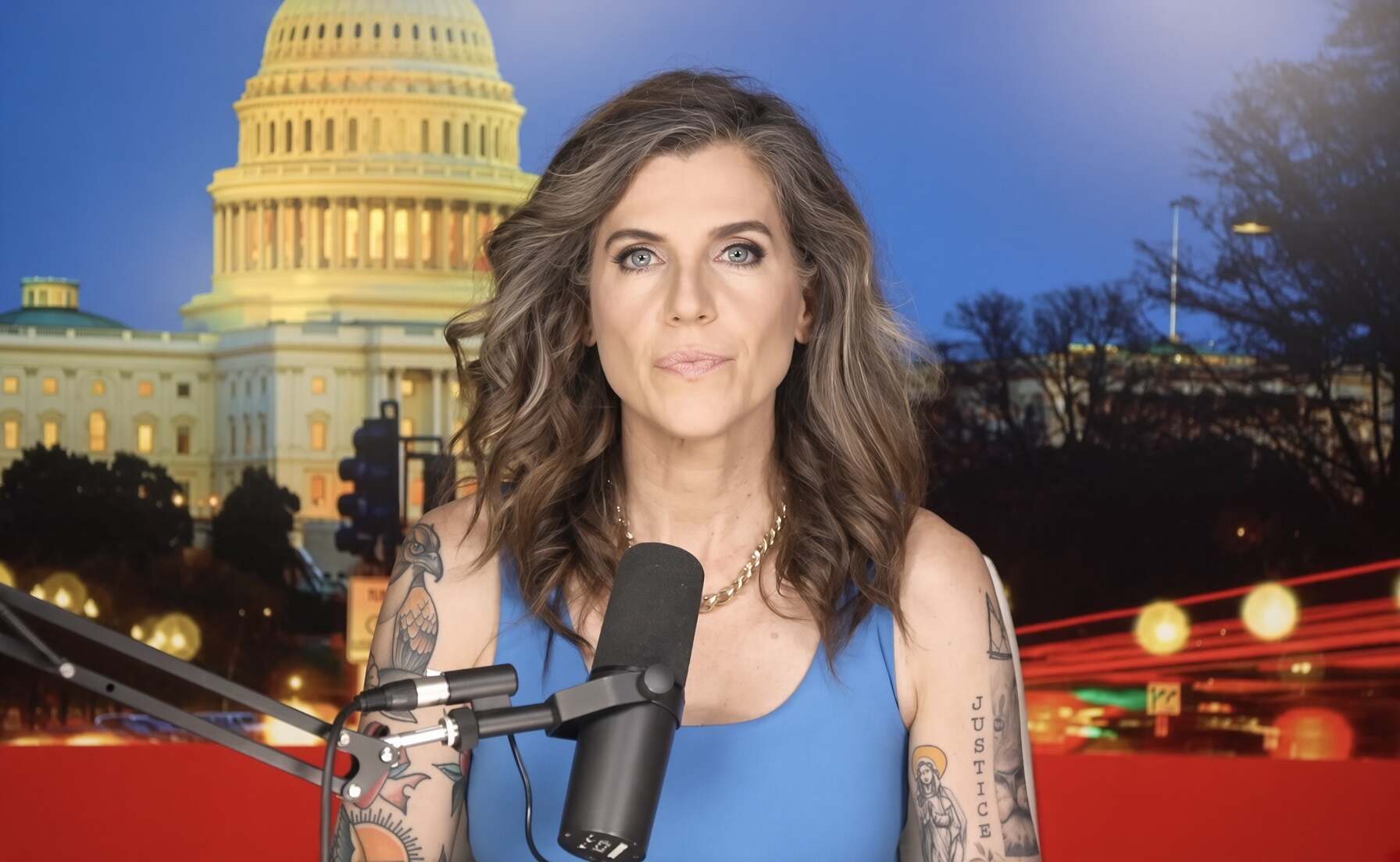
FITSNews reports on Nancy Mace's transition from outgoing congresswoman to online talk show host,...
Trump directs Hegseth to scale back joint military exercises with South Korea Politico

Netizen tidak senang dengan komentar-komentar yang diberikan

BTS mungkin kembali mengikuti Grammy setelah rekanan mereka, Recording Academy, mengumumkan revisi...
BTS mungkin tidak akan mengubah keputusan untuk mengabaikan Grammy karena deadline pengiriman musik...
Update terbaru tentang keputusan BTS untuk tidak mengirimkan musik mereka untuk dijadikan nominee...
Pihak Recording Academy mengumumkan akan kembali meninju keputusan untuk memperkenalkan kategori...

Sangyeop Sangyeop mengumumkan rencananya untuk menikah dengan seorang non-celebrity, mengejutkan...