



Penilaian Kritik Terhadap J-Hope dan RM dari BTS
Netizen tidak senang dengan komentar-komentar yang diberikan
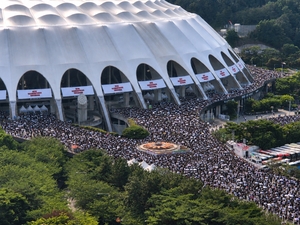
BTS performed two sold-out concerts at Busan Asiad Main Stadium on Friday and Saturday, attracting approximately 220,000 fans over two days as part of its ongoing “Arirang” world tour.
Although the concerts concluded without major safety incidents, they brought attention to long-standing issues surrounding major K-pop concerts, including crowd management, accommodation pricing, and illegal ticket resales.
The most pressing controversy emerged on opening night, when the concert began roughly 75 minutes late due to delays in audience entry.
According to Hybe, various factors contributed to the delay, including confusion surrounding on-site guidance, congestion at fan gift distribution areas, and delays in merchandise and package collection.
Fans who attended the concert described lengthy lines and difficulties navigating the venue. Some attendees shared on social media that staff seemed uncertain about directions within the stadium, with no method of communication between them, while others pointed out a lack of multilingual guidance despite a large international audience.
“BTS' concert comprised a substantial number of international concert attendees, but many announcements were made solely in Korean,” one attendee wrote online. “Those who spoke Korean had to intervene to translate information for overseas visitors.”
The delays in entry occurred despite a safety operation involving 3,000 personnel, including event staff, local government officials, police officers, firefighters, and public agency employees.
Aside from venue operations, accommodation-related complaints also surfaced ahead of the concerts.
According to data from the Korea Tourism Data Lab, Busan accounted for 185 of the 368 tourism-related complaints filed nationwide in May, representing more than half of all such reports.Over 80 percent of these complaints came from foreign visitors.
Accommodation-related complaints made up the vast majority of the cases, with reports involving unilateral reservation cancellations, excessive cancellation fees, and sudden price increases.
A joint survey conducted earlier this year by the Korea Fair Trade Commission and the Korea Consumer Agency found that average accommodation prices near the concert venue during the concert weekend were 2.4 times higher than normal weekend rates, with some properties increasing prices by up to 7.5 times.
The issue was not entirely new. Similar complaints emerged during BTS' “Yet To Come in Busan” concert in 2022 and have periodically surfaced during other major events held in the city. However, the scale of this year's complaints renewed calls for stronger consumer protection measures during major tourism events.
Illegal ticket resales also remained a problem.
Busan police said they detected 10 scalping cases involving 11 individuals during intensive enforcement operations around the stadium. Authorities reported cases in which tickets originally priced at 220,000 won (approximately $145) were resold for as much as 680,000 won.
Police stated that most transactions involved concert wristbands that were transferred between buyers and sellers after entry credentials had been issued.
“K-pop's global reputation and a healthy concert culture are harmed by illegal ticket resales,” a Busan Metropolitan Police Agency official said, adding that authorities would continue cracking down on major concerts and sporting events.
BTS' sold-out concerts in Busan highlighted issues with event management, including crowd control, accommodation pricing, and ticket resales.
Netizen tidak senang dengan komentar-komentar yang diberikan

BTS mungkin kembali mengikuti Grammy setelah rekanan mereka, Recording Academy, mengumumkan revisi...
Pihak Recording Academy mengumumkan akan kembali meninju keputusan untuk memperkenalkan kategori...
Update terbaru tentang keputusan BTS untuk tidak mengirimkan musik mereka untuk dijadikan nominee...
BTS mungkin tidak akan mengubah keputusan untuk mengabaikan Grammy karena deadline pengiriman musik...

Delve into the captivating world of 'Ice Princess', a film that showcased the talents of Hayden...

Sangyeop Sangyeop mengumumkan rencananya untuk menikah dengan seorang non-celebrity, mengejutkan...
Anggota grup pria mendadak mengumumkan pernikahannya dengan seorang non-celebrity, membuat...
Choi Sangyeop dari boy group LUCY mengejutkan fans dan netizen dengan pengumuman pernikahannya yang...
Seorang anggota boy group tak terduga mengumumkan perayaannya pribadi dengan non-kepribadian,...
Pengumuman pernikahan mendadak anggota boy group dengan seorang non-selebriti mengejutkan penggemar...
Anggota grup musik telah mengumumkan pernikahannya mendadak dengan sosok non-artist, mengejutkan...