


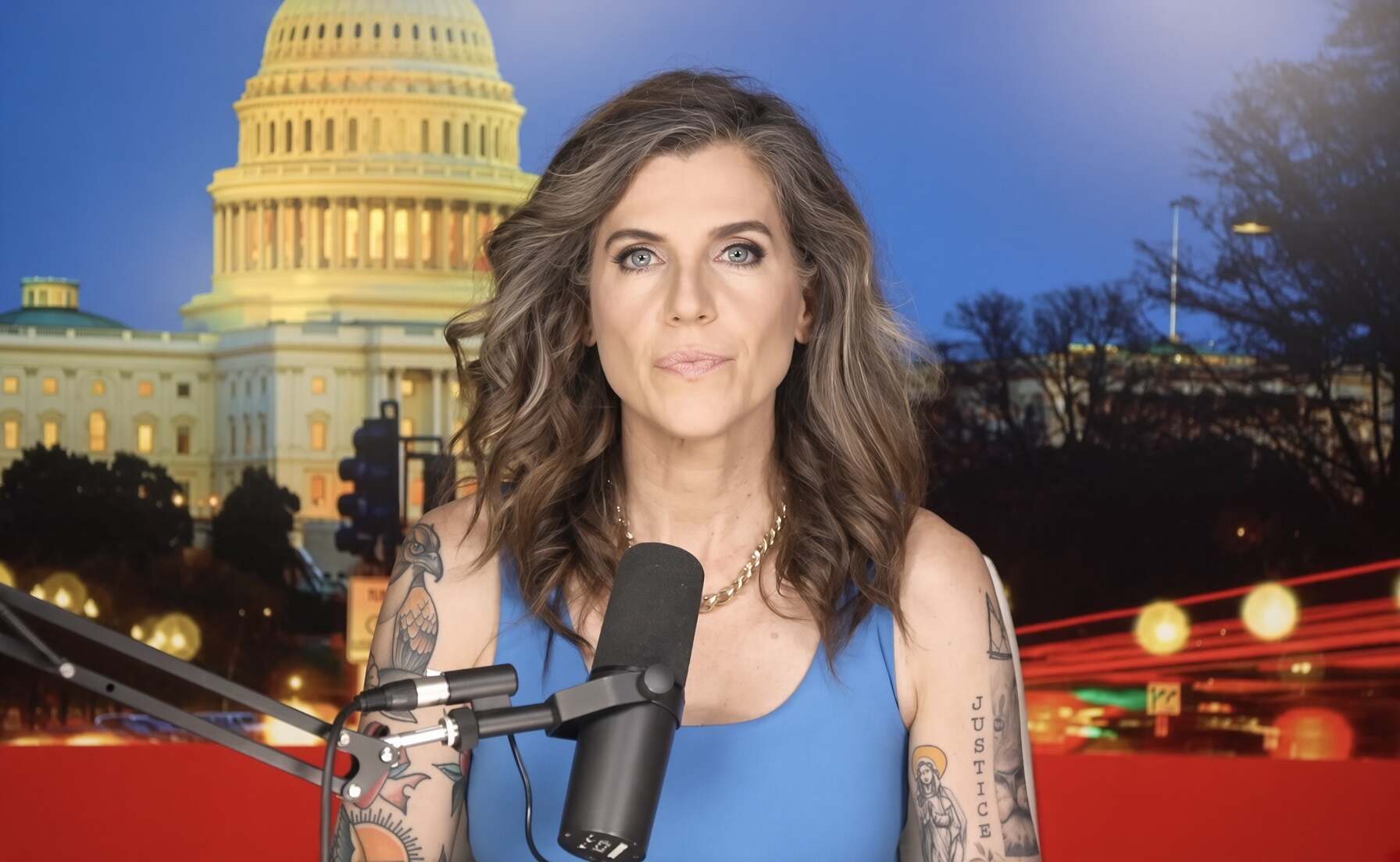
Nancy Mace: A Politician Takes the Fight to the People
FITSNews reports on Nancy Mace's transition from outgoing congresswoman to online talk show host,...

On the surface, it seems like a standard day at the office for the Secret Service. But beneath the façade lies a complex web of intrigue and power struggles that led to the probing of a potential UFC plot. The recent revelation that the agency kept the investigation under wraps until Kash Patel, a high-ranking official, decided to spill the beans has sent shockwaves through the nation's capital.
The Secret Service's decision to keep the probe a secret has sparked heated debates about transparency and accountability in government agencies. The fact that the agency was aware of potential security threats to the organization but chose not to disclose the information to the public is a clear example of the secrecy that pervades many government institutions.
Kash Patel, the man who finally blew the whistle on the Secret Service's secretive approach, is no stranger to controversy. As a senior official in the Trump administration, Patel has been at the center of several high-profile scandals, including the infamous 'Palm Beach debacle.' His decision to reveal the details of the probe has been met with both praise and criticism, with some hailing him as a hero and others condemning him as a troublemaker.
So, what prompted Patel to decide that the time had come to expose the Secret Service's secret probe? According to insiders, Patel became increasingly frustrated with the agency's lack of transparency and decided to take matters into his own hands. The exact details of the probe remain unclear, but sources close to the investigation have revealed that it centered around a potential security threat to the UFC.
But what implications does this revelation have on the broader landscape of government accountability? The Secret Service's secretive approach to probing the UFC plot raises serious questions about the lack of transparency in government agencies. If the agency is aware of potential security threats but chooses not to disclose that information to the public, it's a clear example of the kind of secrecy that can have disastrous consequences.
Looking to the future, it's clear that the impact of the Secret Service's secretive approach will be felt for years to come. As calls for greater transparency and accountability grow louder, agencies like the Secret Service will be forced to re-examine their approach to security and communication. And at the center of it all is Kash Patel, the man who has dared to challenge the status quo and spark a national conversation about the need for greater transparency in government.
As the debate rages on, one thing is clear: the Secret Service's decision to keep the probe a secret has opened up a Pandora's box of questions and doubts about the role of government agencies in maintaining national security. The question on everyone's lips is: what else are they hiding?
Only time will tell how the fallout from this scandal will play out, but one thing is certain: the nation is watching with bated breath as the story continues to unfold. Will the Secret Service reform its ways and adopt a more transparent approach, or will it continue down the path of secrecy and potential scandal? The world waits with anticipation for the next chapter in this ongoing saga.
And what does the future hold for Kash Patel, the man who has risked everything to expose the truth? Will he suffer the consequences of speaking out, or will he emerge from this scandal as a hero? One thing is certain: Kash Patel has left an indelible mark on the nation's capital, and his legacy will be remembered for years to come.
In the end, the question remains: what is the cost of keeping secrets in government, and what is the true price of transparency? The nation waits with bated breath for the answers.
Secret Service's secretive approach to probing the UFC plot raises questions about transparency and accountability in government agencies.
FITSNews reports on Nancy Mace's transition from outgoing congresswoman to online talk show host,...

President Trump's recent order for the Pentagon to curtail military exercises with South Korea has...
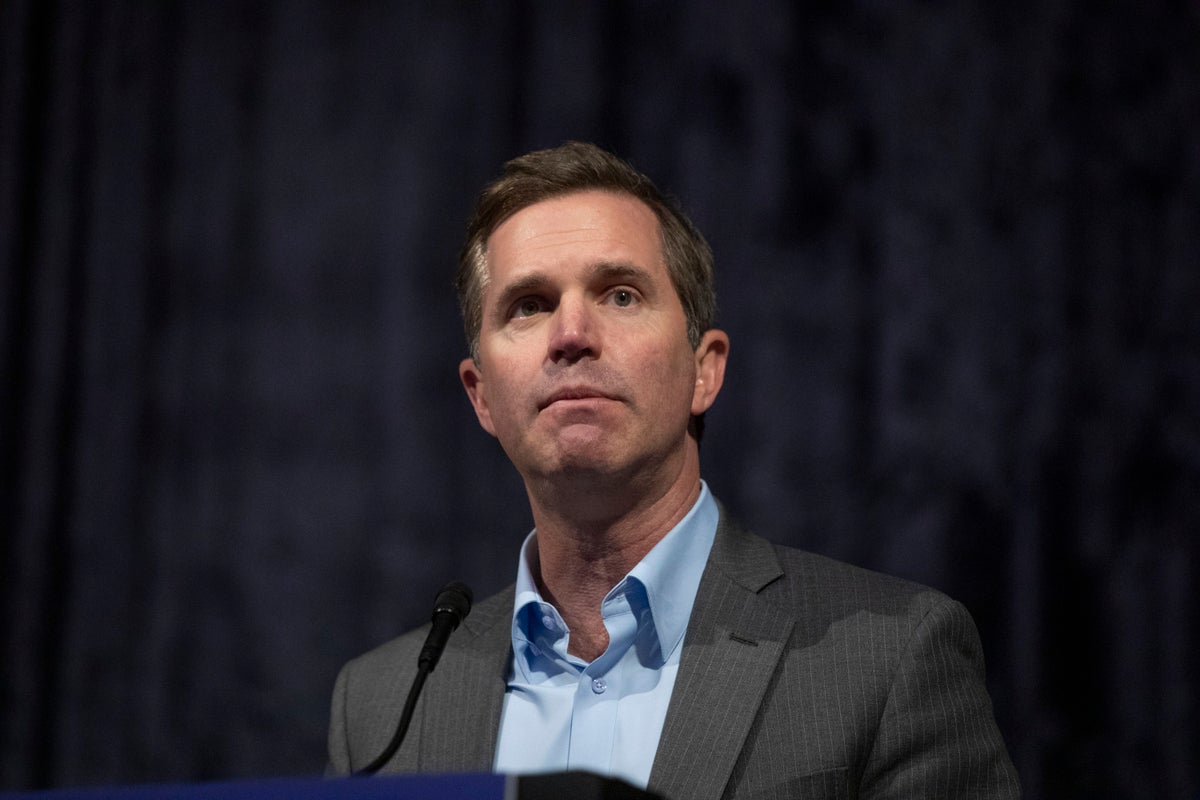
Kentucky governor Andy Beshear criticizes McConnell's lack of transparency about his health
Kentucky Governor Andy Beshear has spoken out about the lack of communication from Senator Mitch...
Kentucky Gov. Andy Beshear shares his thoughts on Sen. Mitch McConnell's recent refusal to make a...
The US Department of Justice, led by Attorney General Todd Blanche, is contemplating taking the...

Netizen tidak senang dengan komentar-komentar yang diberikan

BTS mungkin kembali mengikuti Grammy setelah rekanan mereka, Recording Academy, mengumumkan revisi...
BTS mungkin tidak akan mengubah keputusan untuk mengabaikan Grammy karena deadline pengiriman musik...
Update terbaru tentang keputusan BTS untuk tidak mengirimkan musik mereka untuk dijadikan nominee...
Pihak Recording Academy mengumumkan akan kembali meninju keputusan untuk memperkenalkan kategori...

Sangyeop Sangyeop mengumumkan rencananya untuk menikah dengan seorang non-celebrity, mengejutkan...