





US-South Korea Military Drills Scaled Back After Trump's Inauguration
The 2017 US-South Korea military drills were scaled back following a meeting between US President...
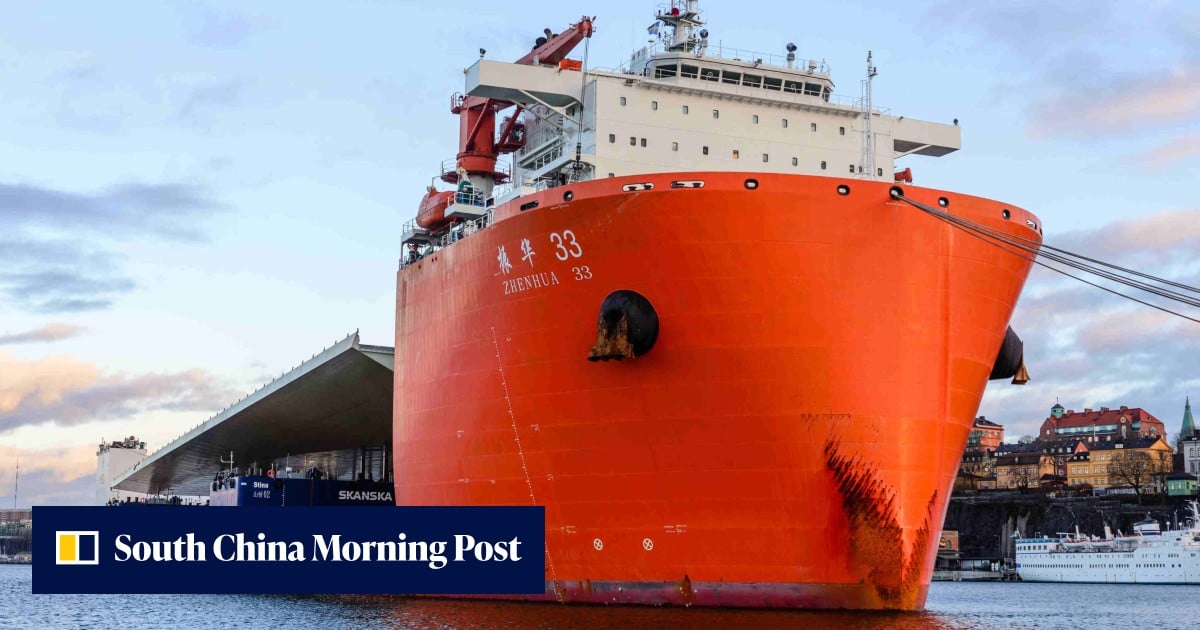
China's rapid expansion of its naval capabilities has been a major focus of its military modernization efforts in recent years. As part of this strategy, the country is being urged to prepare its civilian ships for potential wartime use, a move that has significant implications for global maritime security and the country's military strategy. This concept, often referred to as the 'mobilization of civilian assets,' involves modifying and utilizing civilian ships, such as cargo vessels and ferries, for military purposes during times of conflict. The idea behind this approach is to leverage the country's extensive civilian maritime fleet to support naval operations, thereby enhancing the overall effectiveness and reach of its military. By doing so, China aims to bolster its position as a major maritime power and protect its growing economic and strategic interests. The use of civilian ships in this manner would also allow China to project its military power more efficiently, as it would reduce the need for purpose-built naval vessels. Furthermore, this approach would enable the country to tap into its vast pool of civilian maritime expertise and resources, which could be crucial in supporting complex naval operations.
The mobilization of civilian assets is not a new concept, as various countries have employed similar strategies in the past. However, China's unique circumstances, including its vast coastline, extensive maritime trade routes, and growing military ambitions, make this approach particularly relevant. By preparing its civilian ships for wartime use, China can ensure that its military is well-equipped to respond to a range of potential scenarios, from defending its territorial claims in the South China Sea to supporting humanitarian assistance and disaster relief operations. Moreover, the use of civilian ships would enable China to maintain a degree of plausible deniability, as these vessels would not be overtly military in nature. This could be advantageous in situations where China seeks to avoid escalating tensions or provoking a direct military response from other nations. The integration of civilian ships into China's military strategy also underscores the country's emphasis on asymmetric warfare, where non-traditional tactics and capabilities are employed to counter the conventional military advantages of more powerful adversaries. As China continues to expand its naval presence and protect its growing array of overseas interests, the role of civilian ships in supporting these efforts is likely to become increasingly important.
The conversion of civilian ships for military use would require significant planning, coordination, and investment. China would need to develop the necessary infrastructure, training programs, and operational protocols to support the integration of these vessels into its military operations. This could involve the establishment of specialized shipyards and maintenance facilities, as well as the development of advanced communication and command systems to ensure seamless coordination between civilian and military assets. Furthermore, China would need to address the complex legal and regulatory issues associated with the use of civilian ships in military operations, including ensuring compliance with international maritime law and protecting the rights of civilian crew members. Despite these challenges, the potential benefits of mobilizing civilian assets for military use are substantial, and China is likely to continue exploring this approach as part of its broader maritime strategy. By leveraging its vast civilian maritime resources, China can enhance its military capabilities, improve its ability to respond to emerging crises, and reinforce its position as a major player in regional and global affairs.
The implications of China's strategy to convert civilian ships for military use are far-reaching and multifaceted. For one, this approach could significantly alter the balance of power in the Asia-Pacific region, where China is already engaged in a series of contentious territorial disputes with its neighbors. The use of civilian ships in military operations could also raise concerns about the potential for miscalculation or unintended escalation, particularly if other nations are unclear about the nature and intentions of these vessels. Moreover, the integration of civilian assets into China's military strategy could have significant implications for global maritime security, as it may prompt other nations to reassess their own naval capabilities and doctrines. As the world's oceans become increasingly contested, the role of civilian ships in supporting military operations is likely to become a major point of focus for policymakers and strategists. The development of clear guidelines and regulations for the use of civilian ships in military operations will be crucial in mitigating the risks associated with this approach and ensuring that the global maritime environment remains stable and secure.
From a historical perspective, the concept of mobilizing civilian assets for military use is not new, and various countries have employed similar strategies in the past. During World War II, for example, the United States and other Allied nations relied heavily on civilian ships to support their military operations, including the transportation of troops, equipment, and supplies. Similarly, during the Cold War, the Soviet Union maintained a large fleet of civilian ships that could be converted for military use in the event of a conflict. China's approach, however, is distinct in its scale and scope, reflecting the country's unique combination of economic, military, and strategic interests. As China continues to expand its global presence and protect its growing array of overseas interests, the role of civilian ships in supporting these efforts is likely to become increasingly important. The use of civilian assets in military operations also underscores the evolving nature of modern warfare, where non-traditional tactics and capabilities are being employed to counter the conventional military advantages of more powerful adversaries.
Looking to the future, the conversion of civilian ships for military use is likely to remain a key component of China's maritime strategy. As the country continues to expand its naval presence and protect its growing array of overseas interests, the role of civilian ships in supporting these efforts will become increasingly important. The development of advanced technologies, such as autonomous systems and artificial intelligence, is also likely to play a major role in enhancing the capabilities of China's civilian ships, enabling them to perform a wider range of tasks and operate more effectively in complex maritime environments. Furthermore, the integration of civilian assets into China's military strategy will require continued investment in education and training programs, ensuring that personnel have the necessary skills and expertise to operate and maintain these vessels effectively. As the global maritime environment continues to evolve, the use of civilian ships in military operations is likely to become a major point of focus for policymakers and strategists, with significant implications for regional and global security.
China is being urged to prepare its civilian ships for potential wartime use, a move that has significant implications for global maritime security and the country's military strategy.
The 2017 US-South Korea military drills were scaled back following a meeting between US President...

The decision to reduce US joint military exercises in South Korea has significant implications for...
The United States is reportedly considering imposing new sanctions on a Brazilian judge, according...
A dramatic encounter at Busan Airport marked a pivotal moment in the waning support for Donald...
The United States Navy is weighing a significant redesign of its warships to match the preferences...
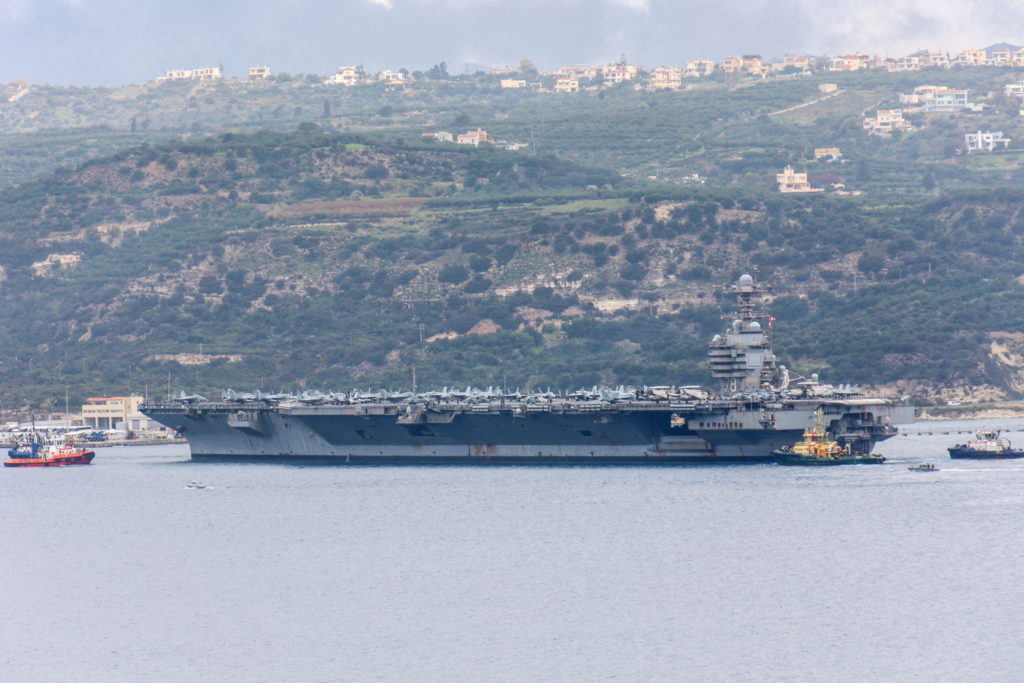
The United States has withdrawn its last aircraft carrier from Asia, a strategic move signifying a...

Netizen tidak senang dengan komentar-komentar yang diberikan

BTS mungkin kembali mengikuti Grammy setelah rekanan mereka, Recording Academy, mengumumkan revisi...
BTS mungkin tidak akan mengubah keputusan untuk mengabaikan Grammy karena deadline pengiriman musik...
Update terbaru tentang keputusan BTS untuk tidak mengirimkan musik mereka untuk dijadikan nominee...
Pihak Recording Academy mengumumkan akan kembali meninju keputusan untuk memperkenalkan kategori...

Sangyeop Sangyeop mengumumkan rencananya untuk menikah dengan seorang non-celebrity, mengejutkan...