


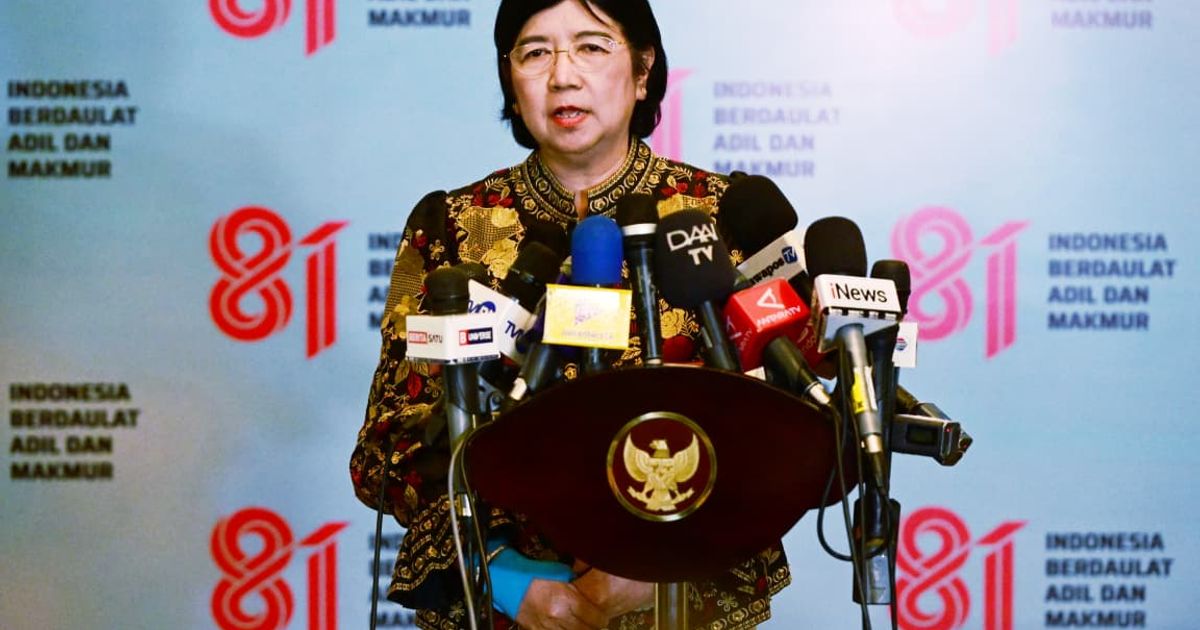

San Antonio Experiences Hot Weather as Tropics Get an Update from KSAT
San Antonio is experiencing hot weather, and KSAT provides an updated look at the tropics,...
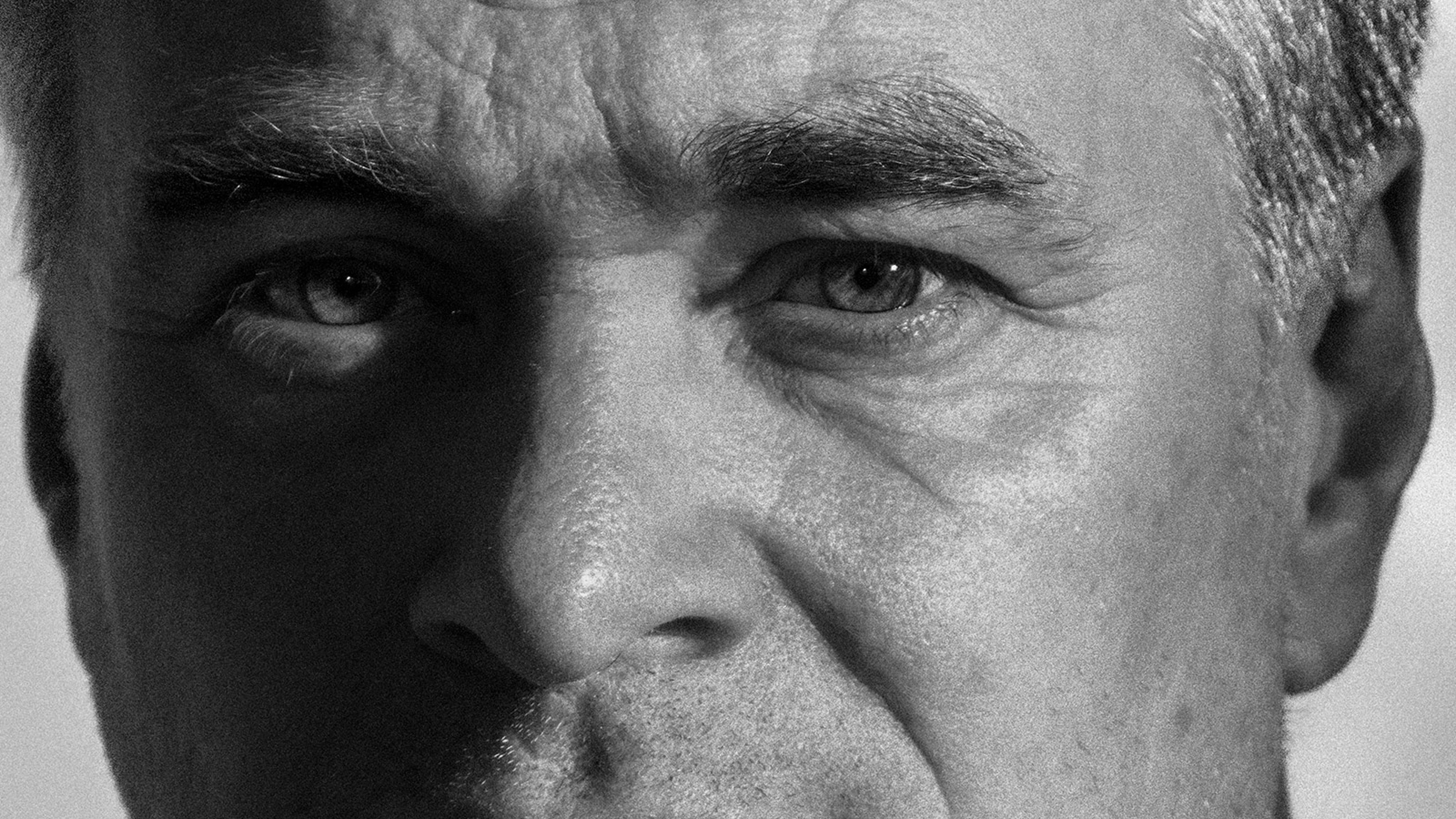
In an exclusive interview with Time Magazine, renowned director Christopher Nolan shed light on his highly anticipated adaptation of Homer's epic poem, The Odyssey.
Nolan's film, which marks his biggest worldwide opening to date, promises to offer a new perspective on the classic hero's journey, with a particular focus on the complex characters of Odysseus and Penelope.
When asked about his approach to the film's ending, Nolan revealed that he aimed to strike a balance between pessimism and optimism, acknowledging the grim and misogynistic tone of the original poem while also highlighting the potential for rebirth and regrowth.
'The end is talking about cycles,' Nolan explained. 'You can view cycles pessimistically: history is doomed to repeat itself. But there is also something optimistic about those cycles. As Penelope says, 'Civilization will rise again.'
Nolan's interest in exploring the deeper meaning behind Helen's scarred face was also evident in his discussion of the character, which he described as a 'manifestation of Odysseus's guilt.' This interpretation is particularly noteworthy, given the surprise parallels between The Odyssey and Nolan's previous film, Oppenheimer.
Another notable aspect of Nolan's adaptation is its focus on the relationship between Odysseus and his crew. Nolan emphasized the importance of exploring the tragic flaws of his protagonist, which ultimately lead to the loss of his men. 'Odysseus is a guy who makes a lot of mistakes,' Nolan stated. 'His ultimate mistake is the horse.'
Nolan's use of visual symbolism, as seen in the depiction of the Sack of Troy, also deserves praise. The scene's cinematography and score work together to create a haunting and atmospheric mood, perfectly capturing the chaos and destruction of war.
In another interview, Nolan revealed that he views the gods in the Odyssey as being seen as evidence of supernatural intervention in nature. He also emphasized that he does not want to impose his own interpretation on the audience, leaving them to decide for themselves about the nature of the divine.
'For me, what was important was that we view the gods the way that people at the time might have viewed them,' Nolan said. 'They're seeing evidence of the gods in nature. They're seeking and finding gods and the influence of gods in the people around them.'
The conversation also touched on Nolan's approach to adapting classical literature for the modern era. He emphasized the importance of understanding the historical context in which the stories were written, and how that context can inform the themes and characters of the work.
'I'm not a purist,' Nolan said. 'I'm an adapter. I take the best of the material and use it to tell a story that's relevant to today.' This attitude towards adaptation is evident in The Odyssey, where Nolan draws on the original poem's themes and characters while also incorporating his own unique vision and insights.
Nolan's conversation with Time Magazine offers a fascinating glimpse into the director's creative process and his approach to adapting classic stories for the modern era.
With The Odyssey, Nolan has proven himself to be a masterful storyteller, capable of distilling complex themes and characters into a compelling narrative that resonates with audiences today.
As the film continues to captivate viewers worldwide, Nolan's conversation with Time Magazine serves as a reminder of the enduring power of The Odyssey's story and characters, and the ways in which that power can be reinterpreted and reimagined for new generations.
Christopher Nolan on The Odyssey: A Look into the Classic Hero's Journey
San Antonio is experiencing hot weather, and KSAT provides an updated look at the tropics,...

The Farmers' Almanac warns of a volatile winter due to El Niño, affecting U.S. homeowners with...

The summer box office has crossed the $4 billion mark, marking a historic milestone. Marvel's...

Actor yang terakhir berperan sebagai Rey di 'The Matrix Resurrections' ini dinilai sangat kompleks...

Scott sutradara dan bintangi video baru dengan James Blake dan Ludwig Goransson setelah perilislan...
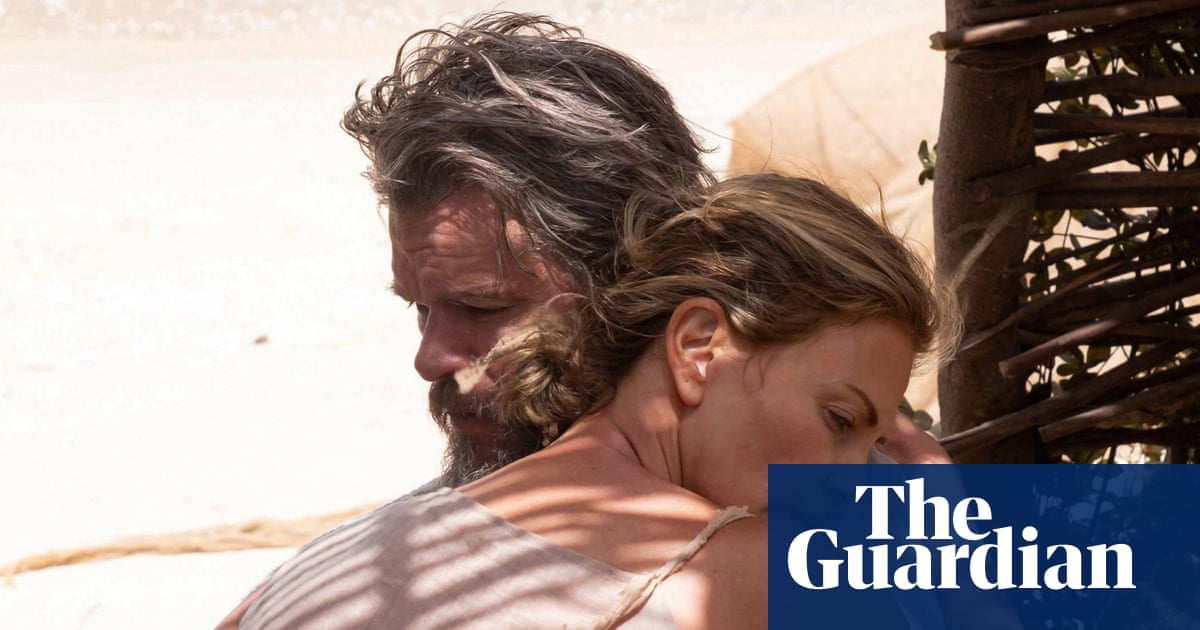
A renowned classicist and translator blasts Nolan's film adaptation of the epic poem, citing...

Netizen tidak senang dengan komentar-komentar yang diberikan

BTS mungkin kembali mengikuti Grammy setelah rekanan mereka, Recording Academy, mengumumkan revisi...
BTS mungkin tidak akan mengubah keputusan untuk mengabaikan Grammy karena deadline pengiriman musik...
Update terbaru tentang keputusan BTS untuk tidak mengirimkan musik mereka untuk dijadikan nominee...
Pihak Recording Academy mengumumkan akan kembali meninju keputusan untuk memperkenalkan kategori...

Sangyeop Sangyeop mengumumkan rencananya untuk menikah dengan seorang non-celebrity, mengejutkan...