



Nancy Mace: A Politician Takes the Fight to the People
FITSNews reports on Nancy Mace's transition from outgoing congresswoman to online talk show host,...
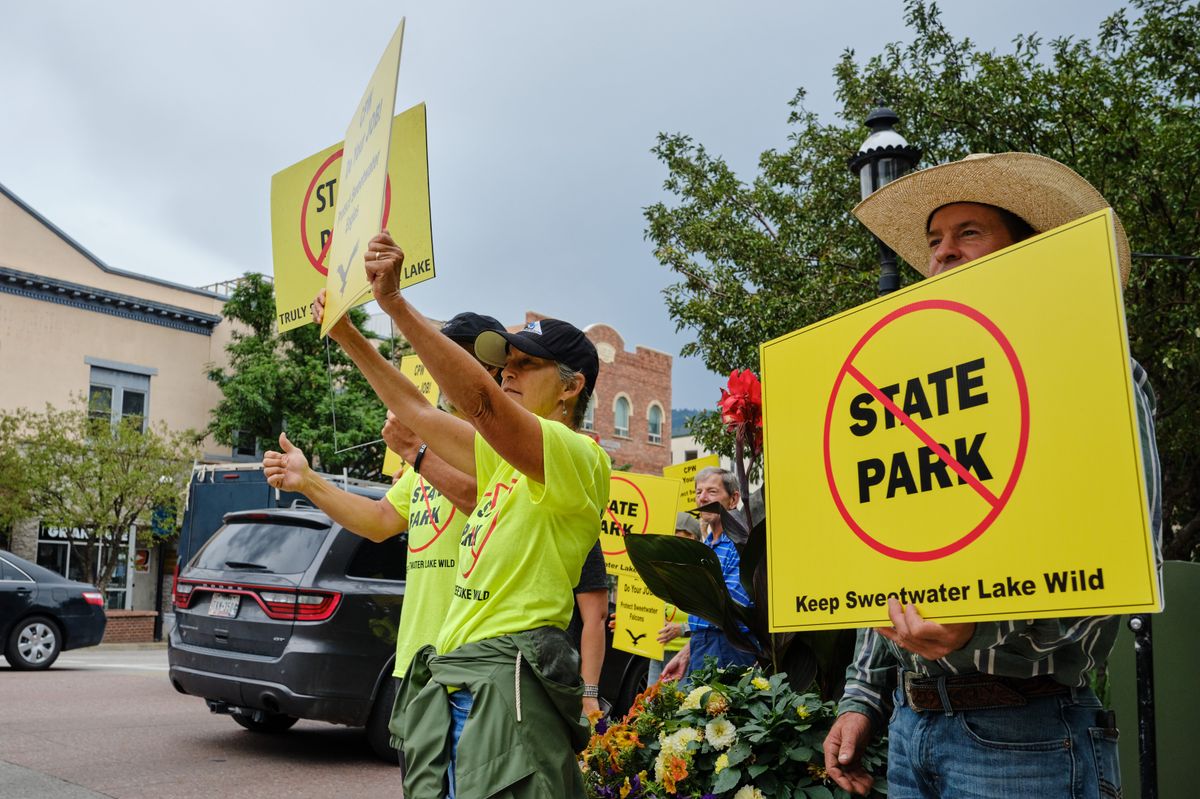
The recent Sweetwater Lake listening sessions, hosted by the U.S. Forest Service, have garnered significant attention and controversy in Glenwood Springs and Gypsum. The sessions, which aimed to gather feedback on four proposed plans for the lake's preservation and development, drew over 100 protesters who expressed concerns about the potential environmental impact of the plans. The protesters, donning neon yellow shirts, held signs that read 'Keep Sweetwater Lake Wild' and 'Protect Sweetwater Eagles,' and received honks of support from passing cars. The Sweetwater Lake Working Group, the organization behind the protest, has been vocal about its opposition to the development plans, citing concerns about the potential destruction of the lake's natural ecosystem. The group's concerns are not unfounded, as the lake is home to a diverse range of wildlife, including bald eagles, osprey, peregrine, and falcons.
The U.S. Forest Service acquired the 433-acre lake property in 2021, and since then, has been working to determine the best course of action for its preservation and development. The four proposed plans for the lake range from minimal development to significant construction, including the addition of campsites, parking spaces, and utility services. The Forest Service has emphasized that it is committed to taking into account the feedback and concerns of the community, and has encouraged individuals to submit written comments on the proposed plans. However, the Sweetwater Lake Working Group has expressed frustration with the process, feeling that their concerns are not being adequately addressed. Brian Glaspell, forest supervisor for the White River National Forest, has acknowledged the group's concerns, but has also emphasized the importance of following government procedures, which allow only written comments to be taken into consideration.
The controversy surrounding the Sweetwater Lake development plans is not new, and has been ongoing for several years. Prior to the Forest Service's acquisition of the property, the lake was threatened by privatized development, which could have resulted in the destruction of the lake's natural ecosystem. The Sweetwater Lake Working Group, which was instrumental in helping the Forest Service acquire the property, is now fighting to ensure that the lake is preserved in its natural state. The group's efforts have been supported by many in the community, who share concerns about the potential environmental impact of the development plans. Dave Minter, a Glenwood resident who attended one of the listening sessions, expressed his support for the group's efforts, stating that the lake is a 'unique and intimate' place that deserves to be protected.
The proposed development plans for Sweetwater Lake have significant implications for the local community and the environment. The Forest Service's plan to bring in 52,000 to 104,000 visitors per year could result in significant economic benefits for the area, but could also lead to environmental degradation and the destruction of the lake's natural ecosystem. The Sweetwater Lake Working Group has argued that the plan is overly ambitious and could have devastating consequences for the lake and its inhabitants. In contrast, the minimal-development proposal, which would limit the number of visitors and construction, is seen as a more sustainable option. However, the Forest Service has emphasized that the final plan will likely be a blend of the four proposed options, and will take into account the feedback and concerns of the community.
The future of Sweetwater Lake remains uncertain, and the controversy surrounding the development plans is likely to continue. The Forest Service has set a deadline of September 23 for written comments, and will then begin the process of reviewing and considering the feedback. The agency has emphasized that it is committed to transparency and public engagement, and will work to ensure that the final plan is in the best interests of the community and the environment. However, the Sweetwater Lake Working Group has expressed skepticism about the process, and has vowed to continue fighting to protect the lake and its natural ecosystem. As the situation continues to unfold, it is clear that the controversy surrounding Sweetwater Lake is far from over, and that the outcome will have significant implications for the local community and the environment.
In addition to the environmental concerns, the controversy surrounding Sweetwater Lake also raises questions about the role of government in preserving and protecting public lands. The Forest Service's acquisition of the property in 2021 was seen as a major victory for conservation efforts, but the agency's subsequent proposals for development have sparked concerns about its commitment to preserving the lake's natural ecosystem. The Sweetwater Lake Working Group has argued that the Forest Service has a responsibility to protect the lake and its inhabitants, and that the agency's proposals for development are inconsistent with this responsibility. The controversy surrounding Sweetwater Lake serves as a reminder of the importance of public engagement and participation in the decision-making process, and highlights the need for government agencies to prioritize the preservation and protection of public lands.
The Sweetwater Lake controversy also has implications for the local economy and the tourism industry. The proposed development plans could bring in significant revenue and create jobs, but could also lead to the displacement of local residents and the degradation of the environment. The Sweetwater Lake Working Group has argued that the economic benefits of development are outweighed by the potential environmental costs, and that the lake's natural ecosystem is a valuable resource that deserves to be protected. The controversy surrounding Sweetwater Lake serves as a reminder of the need for sustainable and responsible development, and highlights the importance of prioritizing the preservation and protection of public lands. As the situation continues to unfold, it is clear that the controversy surrounding Sweetwater Lake will have significant implications for the local community, the environment, and the economy.
In conclusion, the controversy surrounding Sweetwater Lake is a complex and multifaceted issue that raises important questions about the role of government in preserving and protecting public lands, the importance of public engagement and participation in the decision-making process, and the need for sustainable and responsible development. The Sweetwater Lake Working Group's efforts to protect the lake and its natural ecosystem are a testament to the power of community activism and the importance of prioritizing the preservation and protection of public lands. As the situation continues to unfold, it is clear that the controversy surrounding Sweetwater Lake will have significant implications for the local community, the environment, and the economy, and will serve as a reminder of the importance of responsible and sustainable development.
It is worth noting that the Forest Service has a long history of managing public lands, and has a responsibility to balance the needs of different stakeholders, including conservationists, recreationists, and local communities. The agency's proposals for Sweetwater Lake are an attempt to balance these competing interests, but have been met with criticism from the Sweetwater Lake Working Group and other conservationists. The controversy surrounding Sweetwater Lake serves as a reminder of the challenges and complexities of public land management, and highlights the need for a more nuanced and multifaceted approach to balancing the needs of different stakeholders. Ultimately, the outcome of the controversy will depend on the ability of the Forest Service and other stakeholders to work together to find a solution that prioritizes the preservation and protection of Sweetwater Lake and its natural ecosystem.
The Forest Service's plan to sign a final plan of action in summer 2027, as mandated by government deadlines, will likely be a significant milestone in the controversy surrounding Sweetwater Lake. The agency's decision will have significant implications for the local community, the environment, and the economy, and will serve as a reminder of the importance of responsible and sustainable development. The Sweetwater Lake Working Group and other conservationists will likely continue to monitor the situation and advocate for the preservation and protection of the lake and its natural ecosystem. As the situation continues to unfold, it is clear that the controversy surrounding Sweetwater Lake will remain a pressing issue, and will require ongoing attention and engagement from stakeholders and the public.
Sweetwater Lake listening sessions spark protests in Glenwood Springs and Gypsum, with concerns over potential overdevelopment and environmental impact.
FITSNews reports on Nancy Mace's transition from outgoing congresswoman to online talk show host,...

Shooting in Hollywood Leaves Two Injured: Understanding the Aftermath WPLG Local 10

Hurricane Lala brings powerful winds and heavy rainfall to Hawaii island, causing widespread damage...
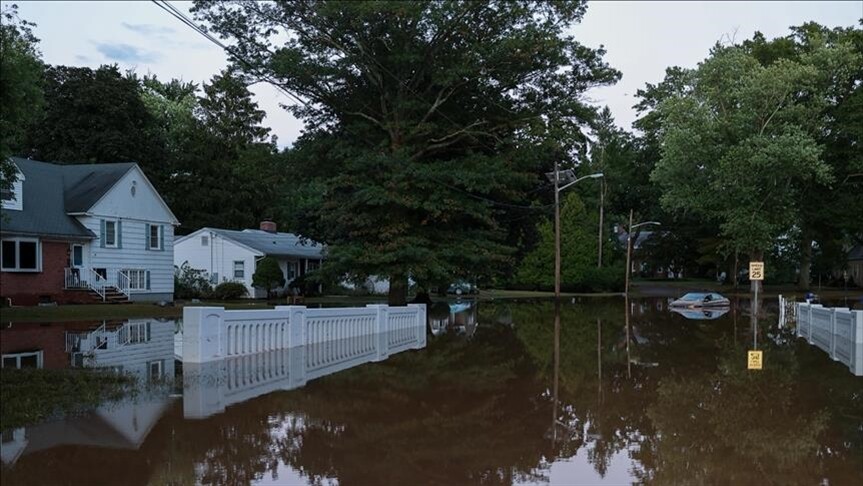
At least 6 dead as historic flooding inundates US state of Indiana, leaving a trail of destruction...

A powerful storm has struck Naalehu, resulting in the destruction of two homes, leaving residents...

Heart-wrenching images show severe flooding in Ravenswood, located on the north side of...

Netizen tidak senang dengan komentar-komentar yang diberikan

BTS mungkin kembali mengikuti Grammy setelah rekanan mereka, Recording Academy, mengumumkan revisi...
BTS mungkin tidak akan mengubah keputusan untuk mengabaikan Grammy karena deadline pengiriman musik...
Update terbaru tentang keputusan BTS untuk tidak mengirimkan musik mereka untuk dijadikan nominee...
Pihak Recording Academy mengumumkan akan kembali meninju keputusan untuk memperkenalkan kategori...

Sangyeop Sangyeop mengumumkan rencananya untuk menikah dengan seorang non-celebrity, mengejutkan...