




Cristiano Ronaldo Announces Plans to Leave Football Behind
Cristiano Ronaldo Shakes the Sports World with Surprise Decision to Retire and Pursue a New Sport
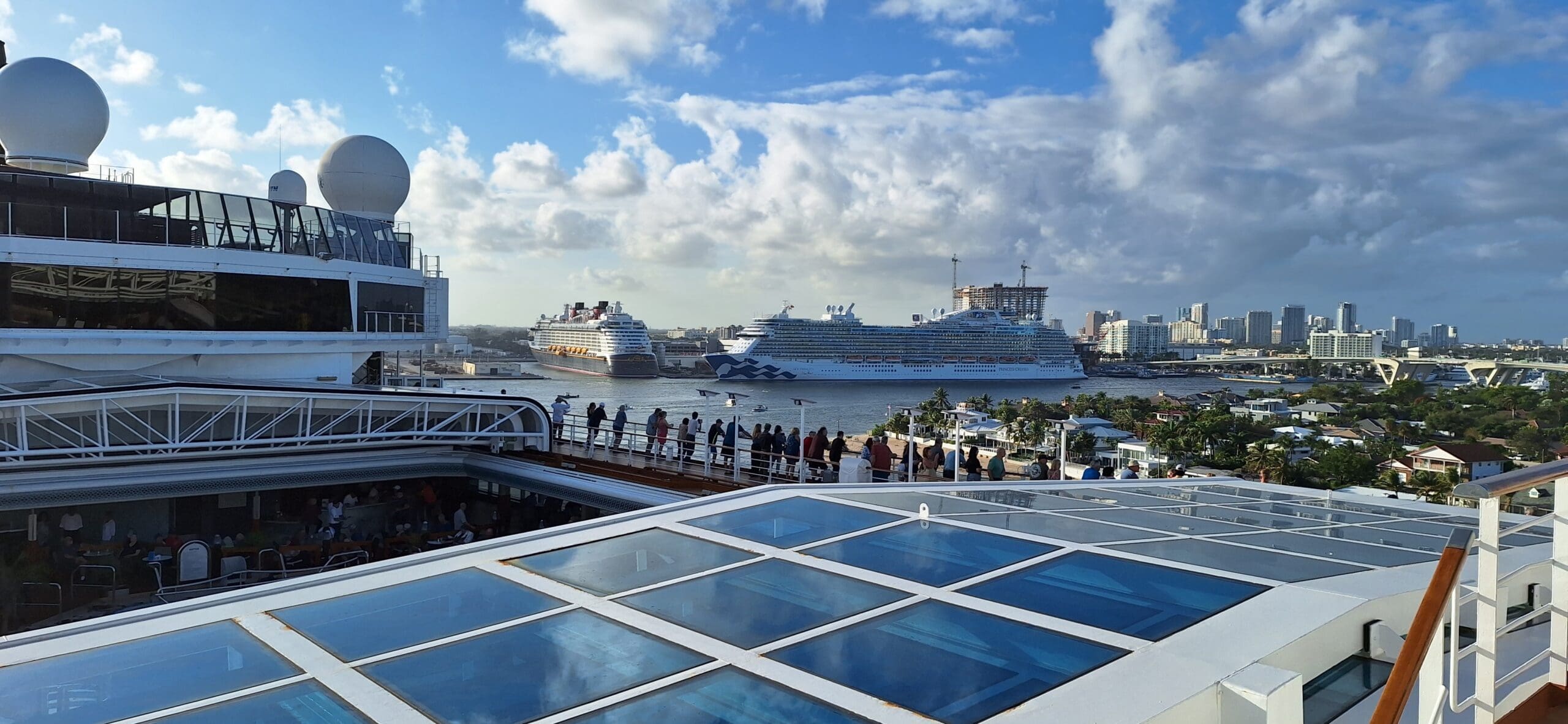
Retiring on a cruise ship can be a dream come true for some, offering a life of luxury and travel without the burdens of maintaining a home. However, it's essential to consider the financial implications, healthcare options, and lifestyle factors before making a decision.
There are two main ways to retire on a cruise ship: the 'serial booker' approach, where you book back-to-back cruises, and the residential cruise concept, where you purchase or lease a cabin long-term. The costs vary significantly between the two options, with the serial booker approach ranging from $60,000 to $100,000 per year for a single person, and the residential cruise concept starting at around $2,150 per person per month.
Healthcare is a significant concern for retirees, and cruise ships have limited medical facilities. Original Medicare only covers you in limited circumstances outside the US, and supplemental coverage is necessary. The cost of supplemental coverage can range from $4,000 to $8,000 per year for a couple.
In addition to healthcare costs, retirees must also consider the cost of living on a cruise ship, including meals, gratuities, and shore excursions. The total cost can range from $28,000 to $130,000 per year, depending on the level of luxury and services chosen.
While retiring on a cruise ship can be a unique and exciting experience, it's crucial to approach it with a clear understanding of the costs, benefits, and potential drawbacks. It's essential to consult with a financial advisor and consider factors such as tax implications, medical evacuation, and access to healthcare services.
For those who are healthy, mobile, and financially prepared, retiring on a cruise ship can be a fantastic option. However, it's not for everyone, and careful consideration of the pros and cons is necessary before making a decision.
Weighing the pros and cons of retiring on a cruise ship, including financial considerations, healthcare, and lifestyle factors.
Cristiano Ronaldo Shakes the Sports World with Surprise Decision to Retire and Pursue a New Sport

Vogue has published exclusive photos of the highly anticipated wedding between soccer superstar...

Nick Young's recent comment about DeMar DeRozan has sparked a wave of discussion in the basketball...

Disney's EPCOT Imagination Pavilion is getting a major refresh, bringing back the iconic character...
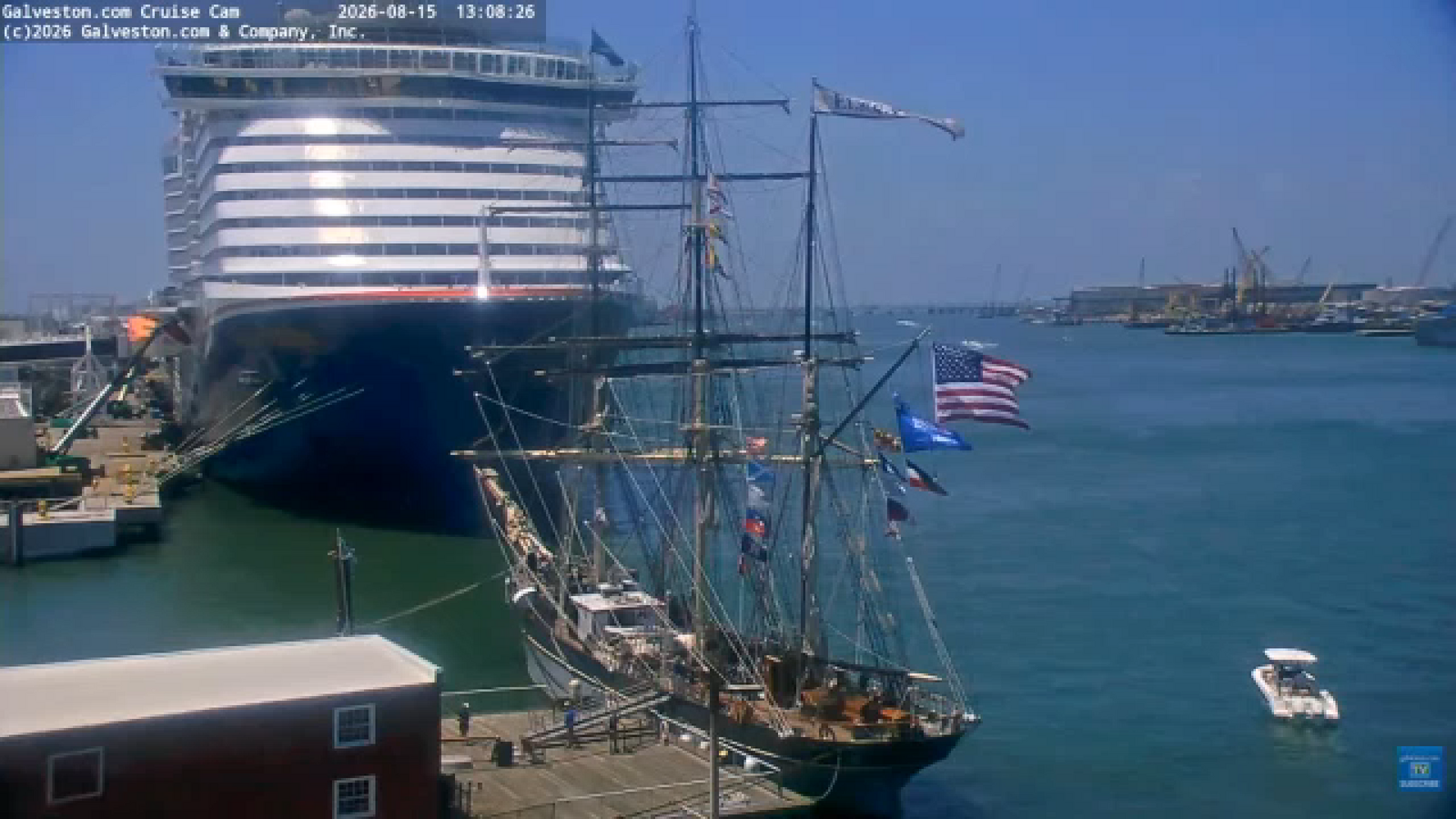
Tall Ship Elissa's historic voyage to New York for America's 250th anniversary festivities has come...
Experience the authentic flavors of Barcelona like a local with our insider's guide to the city's...

Netizen tidak senang dengan komentar-komentar yang diberikan

BTS mungkin kembali mengikuti Grammy setelah rekanan mereka, Recording Academy, mengumumkan revisi...
BTS mungkin tidak akan mengubah keputusan untuk mengabaikan Grammy karena deadline pengiriman musik...
Update terbaru tentang keputusan BTS untuk tidak mengirimkan musik mereka untuk dijadikan nominee...
Pihak Recording Academy mengumumkan akan kembali meninju keputusan untuk memperkenalkan kategori...

Sangyeop Sangyeop mengumumkan rencananya untuk menikah dengan seorang non-celebrity, mengejutkan...