




Trump Administration Orders US Aircraft Carriers to Transition Back to Steam Catapults
The Trump administration has made a significant decision regarding the design and functionality of...
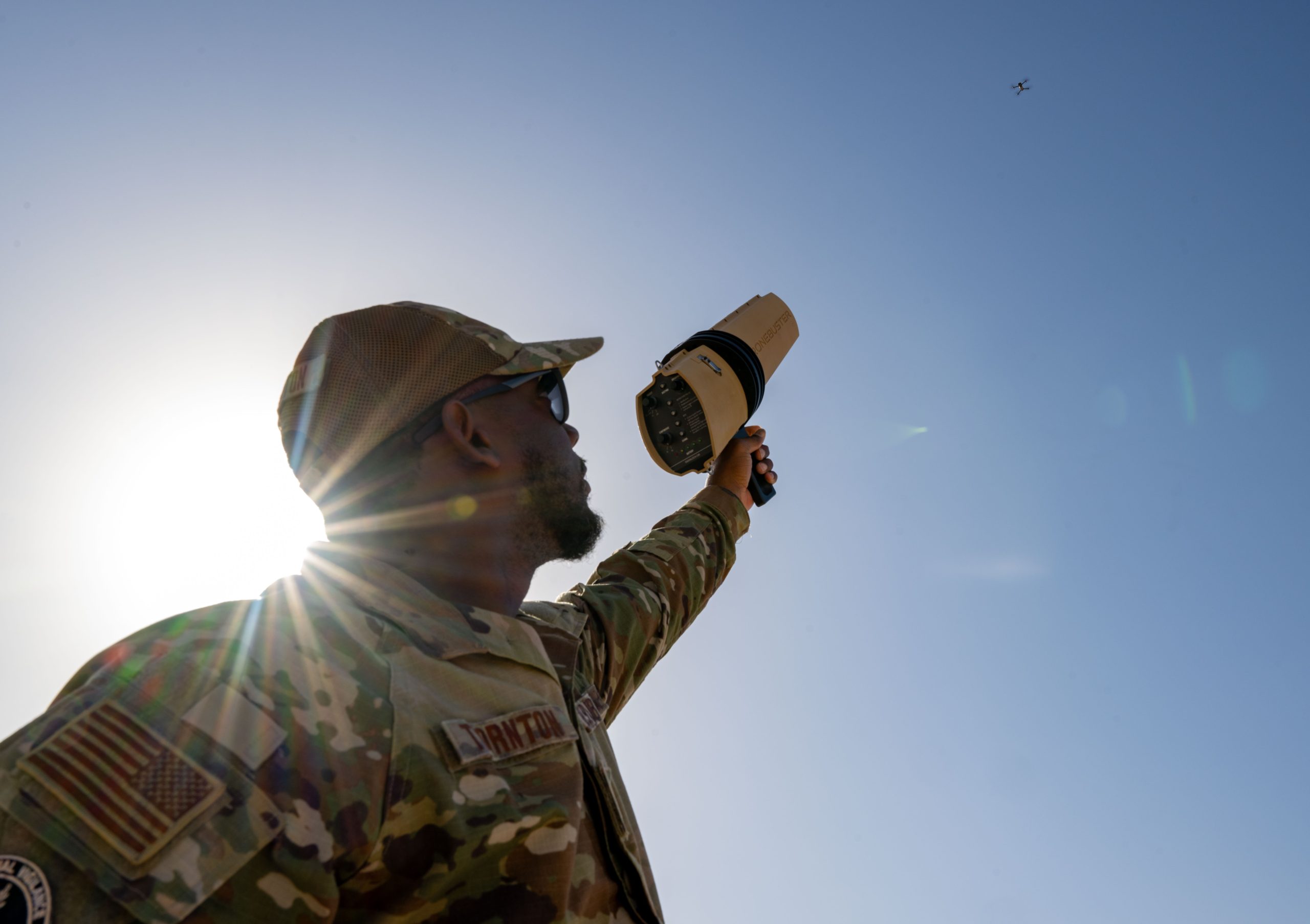
The Air Force has recently established its first rapidly deployable counter-drone units, designed to safeguard air bases in the Pacific and other potential hotspots from aerial attacks. These units, comprising approximately 20 enlisted Airmen with aviation and battle management expertise, are specifically trained to defend remote airfields, such as those used in agile combat employment, from drone threats.
The concept of expeditionary point defense flights emerged as an urgent need, given the rising proliferation of low-cost quadcopter and jet-powered drones like Iran's Shahed. The increasing threat of drone attacks on air bases and military installations prompted the Air Force to develop a dedicated specialty code, Base Defense, which will focus on identifying and countering these threats. According to Michael Sheehy, director of future operations under the Air Force deputy chief of staff for operations, 'It's an expeditionary capability, so we want it to be light and lean.'
The new Base Defense Specialty Code will be manned by Airmen trained for a base defense job specialty announced about a month ago, tasked with protecting against evolving drone threats. At least nine U.S. service members were killed during the conflict with Iran, as a result of Iranian drone and missile attacks on air bases in the Middle East. Sheehy acknowledged the Iranian drone threat in the U.S. Central Command region but noted that the Pentagon's Joint Interagency Task Force 401, established last year, provides counter-drone support for U.S. forces deployed in the region.
For now, new air base defense flights are being prepared for future deployments to hotspots from the homeland to the Pacific, Sheehy stated. Traditionally, Security Forces Airmen at high-security installations, such as nuclear bases and airfields, have made up the majority of personnel trained to counter drones. However, Sheehy emphasized that the service is placing significant focus on identifying Airmen with command-and-control experience to serve in these new units, saying 'We're looking at enlisted aviator and enlisted air battle manager sort of folks that are on the operational side and have that kind of airmindedness about them.'
The Airmen undergo a roughly three-week training course at Joint Counter Unmanned Aircraft Systems University, located at Fort Sill, Okla., to learn how to use U.S. military counter-drone technology and how to defend against enemy drone attacks. Currently, the Air Force is working with JIATF-401 to procure commercially available counter-drone systems, but the service's program of record for such threats remains the Small Unmanned Air Defense Systems, or SUADS, Sheehy noted. SUADS is largely a detection system capable of identifying and tracking enemy drones of all sizes, and it has been funded with $51.8 million in procurement funds in fiscal 2026, according to Air Force budget documents.
The Air Force's plans for a dedicated counter-drone unit also involve working with Fort Sill's C-UAS university to develop the technical training base defense Airmen would undergo. The service aims to create a career path for these Airmen and ensure they have opportunities for advancement beyond enlisted ranks. Sheehy stressed the need for this specialty code to be a career path, 'How are we going to do accessions… and [initial qualification training] for these folks? And then, what is their career path? We have to make sure that we offer somebody a career path.'
As the Air Force moves forward, it's essential to weigh the implications of counter-drone technology on air base defense. The increasing threat of drone warfare has pushed senior leaders to acknowledge the need for specially trained personnel and units to combat this threat. The recent rise of drone warfare has led the Air Force to revise its base defense strategy and place a greater emphasis on counter-drone capabilities. As Air Force Secretary Troy E. Meink noted in his congressional testimony, 'Airmen have a responsibility to defend our air bases and defend our forces, regardless of where they are.'
In the future, the Air Force hopes to expand its counter-drone capabilities and create a more robust base defense system. The deployment of point defense flights with SUADS capabilities will enable the Air Force to respond more effectively to emerging drone threats. Sheehy emphasized the need for the Air Force to be proactive in addressing counter-drone threats, saying 'We could have those Airmen go downrange with that kit tomorrow, or in a very short amount of time.'
The increasing importance of counter-drone technology in air base defense has significant implications for military strategy and force planning. The Air Force must continue to adapt and innovate in response to emerging threats, and the development of dedicated counter-drone units is a crucial step in this process. As the Air Force moves forward, it's essential to balance the need for counter-drone capabilities with the need for efficient and effective force planning.
The future of air base defense is likely to be shaped by the growing threat of drone warfare, and the Air Force must be prepared to meet this challenge head-on. The establishment of dedicated counter-drone units and the development of new technologies will play critical roles in this process. As the Air Force continues to evolve and adapt, it's essential to prioritize counter-drone capabilities and invest in the research and development of new technologies.
By prioritizing counter-drone capabilities, the Air Force can ensure the safety and security of its personnel and installations, and maintain its ability to project power and protect national interests. The future of air base defense is uncertain, but one thing is clear: the Air Force must be prepared to meet the challenge of drone warfare head-on.
The Air Force's New Counter-Drone Units: Protecting Air Bases from Aerial Threats
The Trump administration has made a significant decision regarding the design and functionality of...

Extended Navy deployments strain sailor well-being and raise questions about the US Navy's...
A significant shift in naval technology and strategy, Trump's decision to revert to steam catapults...
The United States is gearing up to replace its aircraft carrier in the Middle East, a move that has...
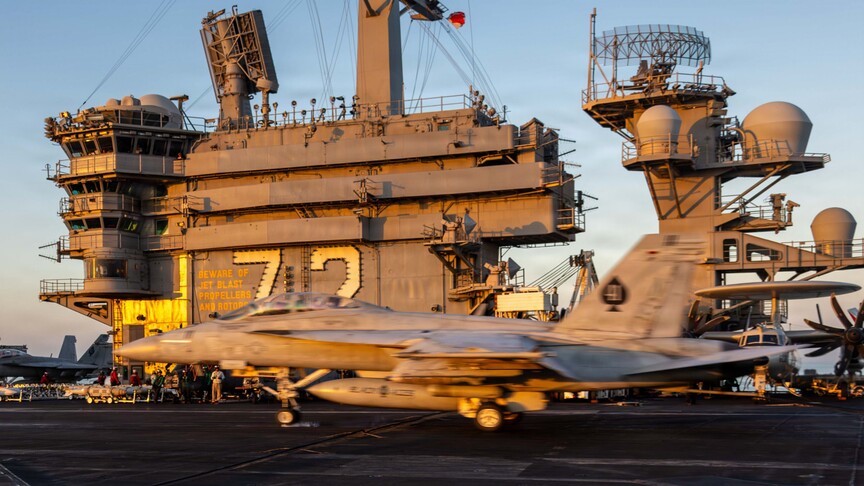
A US Senator has launched a scathing attack on the Pentagon over the prolonged deployment of a US...
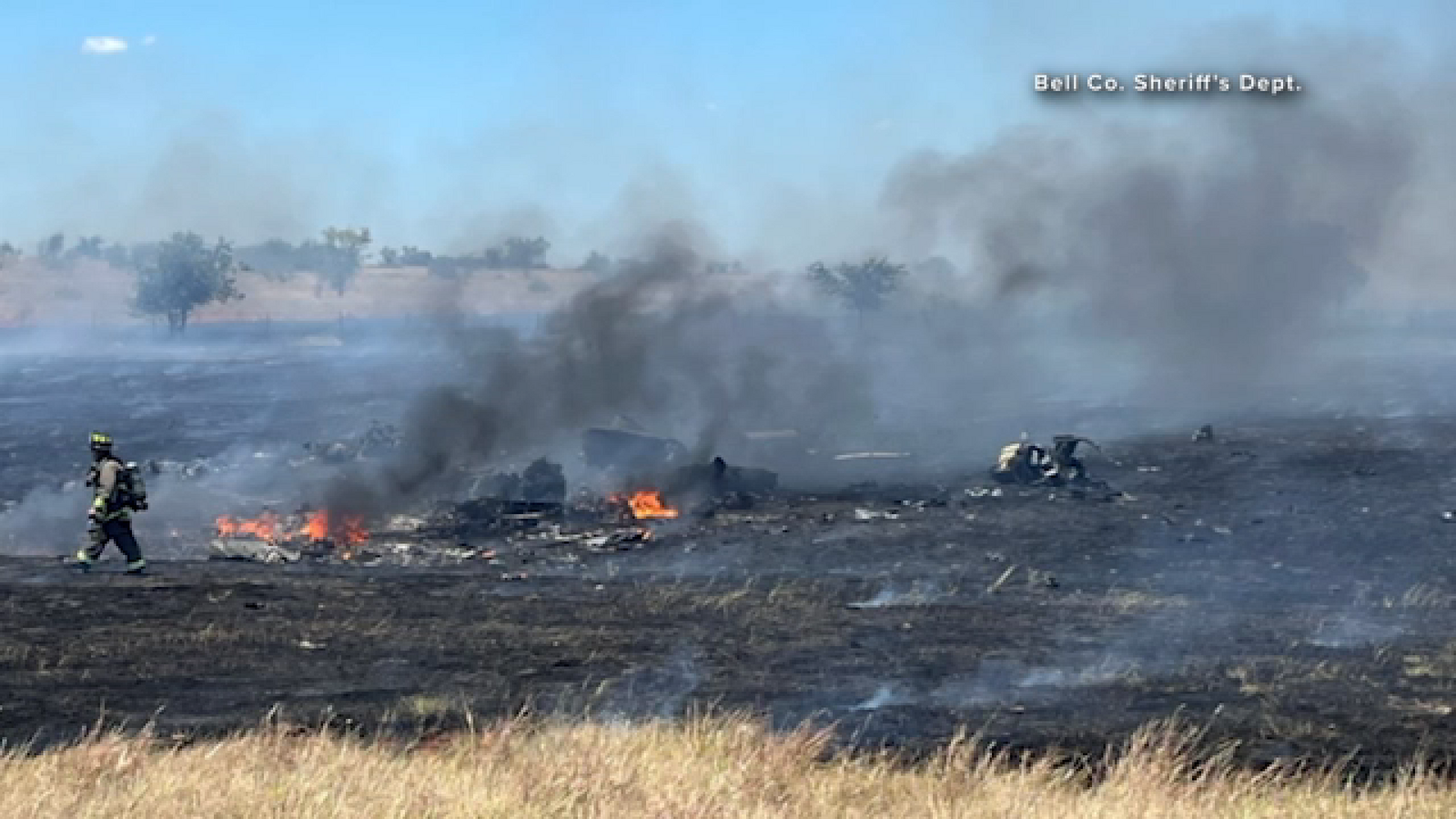
A devastating helicopter crash occurred at Fort Hood, resulting in the loss of two brave soldiers,...

Netizen tidak senang dengan komentar-komentar yang diberikan

BTS mungkin kembali mengikuti Grammy setelah rekanan mereka, Recording Academy, mengumumkan revisi...
BTS mungkin tidak akan mengubah keputusan untuk mengabaikan Grammy karena deadline pengiriman musik...
Update terbaru tentang keputusan BTS untuk tidak mengirimkan musik mereka untuk dijadikan nominee...
Pihak Recording Academy mengumumkan akan kembali meninju keputusan untuk memperkenalkan kategori...

Sangyeop Sangyeop mengumumkan rencananya untuk menikah dengan seorang non-celebrity, mengejutkan...