





Hawaiian Electric Provides Statewide Power Restoration Update
Hawaiian Electric has issued a comprehensive update on the status of power restoration across the...
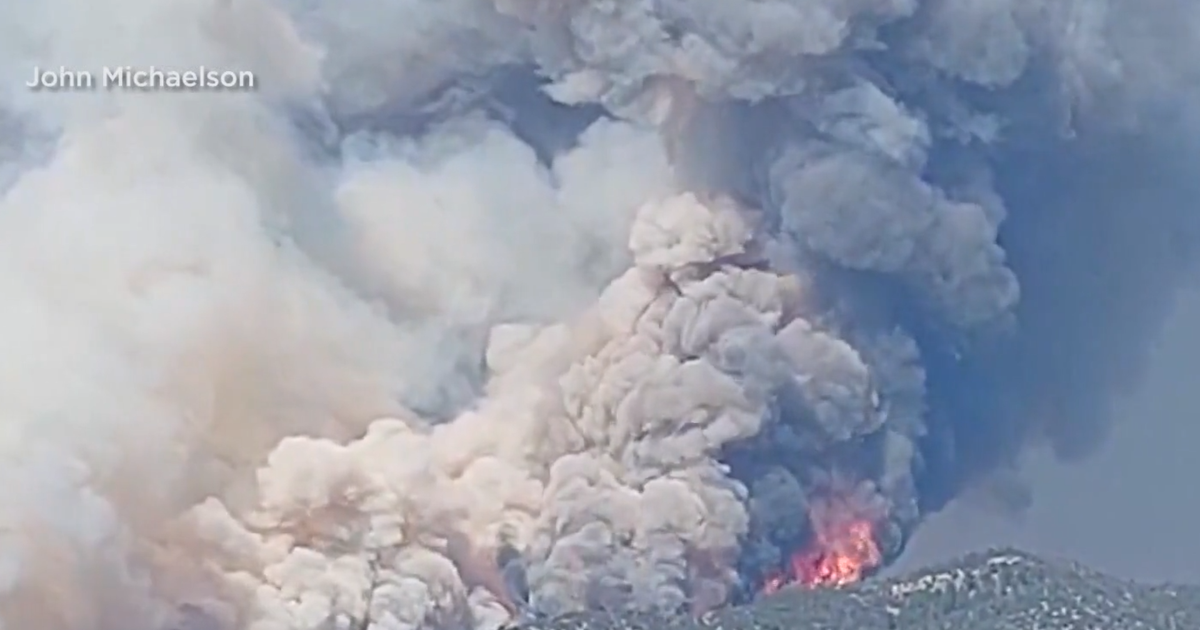
As the summer months approach, the western United States is bracing itself for the possibility of devastating wildfires. Eight Western states have been issued Red flag warnings due to an increased risk of fire in their regions. These states include Arizona, California, Colorado, Montana, Nevada, Utah, Washington, and Wyoming.
The National Weather Service (NWS) issued the Red flag warnings, which are usually in effect for a period of 24 to 48 hours. During this time, extreme fire danger conditions are expected, with winds, dry conditions, and a potential for lightning strikes all contributing to an increased risk of wildfire. The NWS has advised residents and outdoor enthusiasts to exercise extreme caution when it comes to fire, and to take necessary precautions to prevent any accidental ignition.
Wildfires have been on the rise in recent years, and the western United States has borne the brunt of the damage. In 2020, the western United States experienced its worst wildfire season on record, with over 10 million acres of land burned. The economic, environmental, and human toll of these fires cannot be overstated, and it is imperative that residents and visitors alike take the necessary precautions to prevent any further destruction.
Wildfires not only pose an immediate threat to human life and property, but they also have far-reaching consequences for the environment and local ecosystems. The loss of vegetation and wildlife habitats can take decades to recover from, and the soil and water quality can be irreparably damaged. Furthermore, wildfires also have a significant impact on local economies, with many businesses and communities suffering financial losses due to the destruction of property and the disruption of tourist season.
Despite the risks associated with wildfires, many residents are not prepared for the possibility of a fire in their area. According to a recent survey, only 30% of residents in the western United States have created a wildfire emergency plan, leaving the vast majority unprepared in the event of a disaster. It is imperative that residents take the necessary steps to create a plan, including having a safe evacuation route, a communication plan, and a place to stay during an emergency.
The implications of wildfires are far-reaching and devastating, with many communities still reeling from the effects of past fires. In addition to the economic and environmental costs, wildfires also have a significant impact on mental health, with many residents experiencing anxiety, depression, and PTSD after a fire has occurred. It is essential that residents and communities take a proactive approach to preventing wildfires and mitigating their impact.
Looking ahead, the western United States can expect to see an continued increase in wildfires due to climate change. Rising temperatures, changing precipitation patterns, and increased lightning strikes all contribute to an increased risk of fire, and it is imperative that residents and policymakers take immediate action to address this issue. By investing in fire prevention and mitigation efforts, we can reduce the risk of wildfires and protect the people, property, and natural resources of the western United States.
Danger lurks in the west, as Red flag wildfire warnings are issued across 8 Western states, bringing with them an air of uncertainty and trepidation for residents and visitors alike, CBS News reports.
Hawaiian Electric has issued a comprehensive update on the status of power restoration across the...
Stay informed about Tropical Storm Lala's impact on Hawaii, with updates on warnings, advisories,...

Rain Suspends Shelton-Faria ATP Tour Match
A comprehensive overview of the Sorrento Fire, including its impact, key facts, and future...
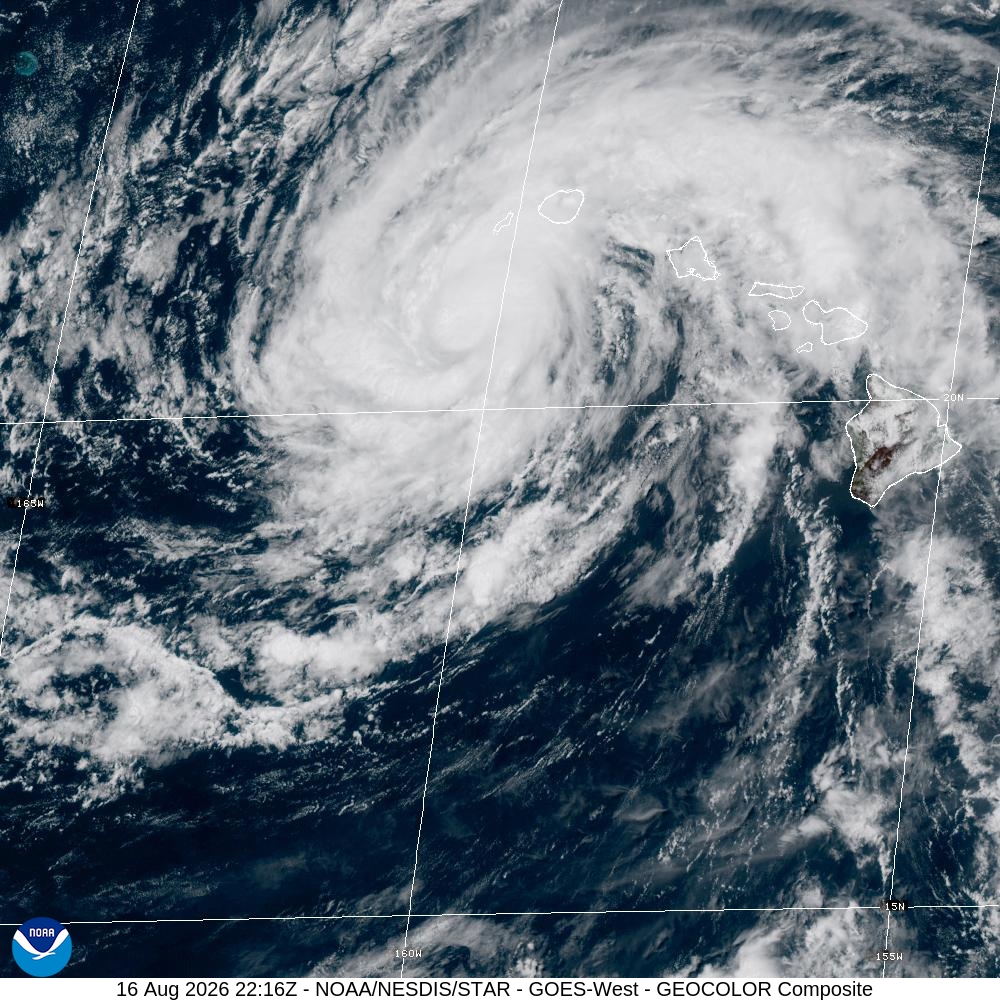
Tropical Storm Lala brought unprecedented rainfall and snowfall to Hawaii, raising questions about...
Fire crews battle a massive brush fire in San Diego that has left a trail of destruction and...

Netizen tidak senang dengan komentar-komentar yang diberikan

BTS mungkin kembali mengikuti Grammy setelah rekanan mereka, Recording Academy, mengumumkan revisi...
BTS mungkin tidak akan mengubah keputusan untuk mengabaikan Grammy karena deadline pengiriman musik...
Update terbaru tentang keputusan BTS untuk tidak mengirimkan musik mereka untuk dijadikan nominee...
Pihak Recording Academy mengumumkan akan kembali meninju keputusan untuk memperkenalkan kategori...

Sangyeop Sangyeop mengumumkan rencananya untuk menikah dengan seorang non-celebrity, mengejutkan...