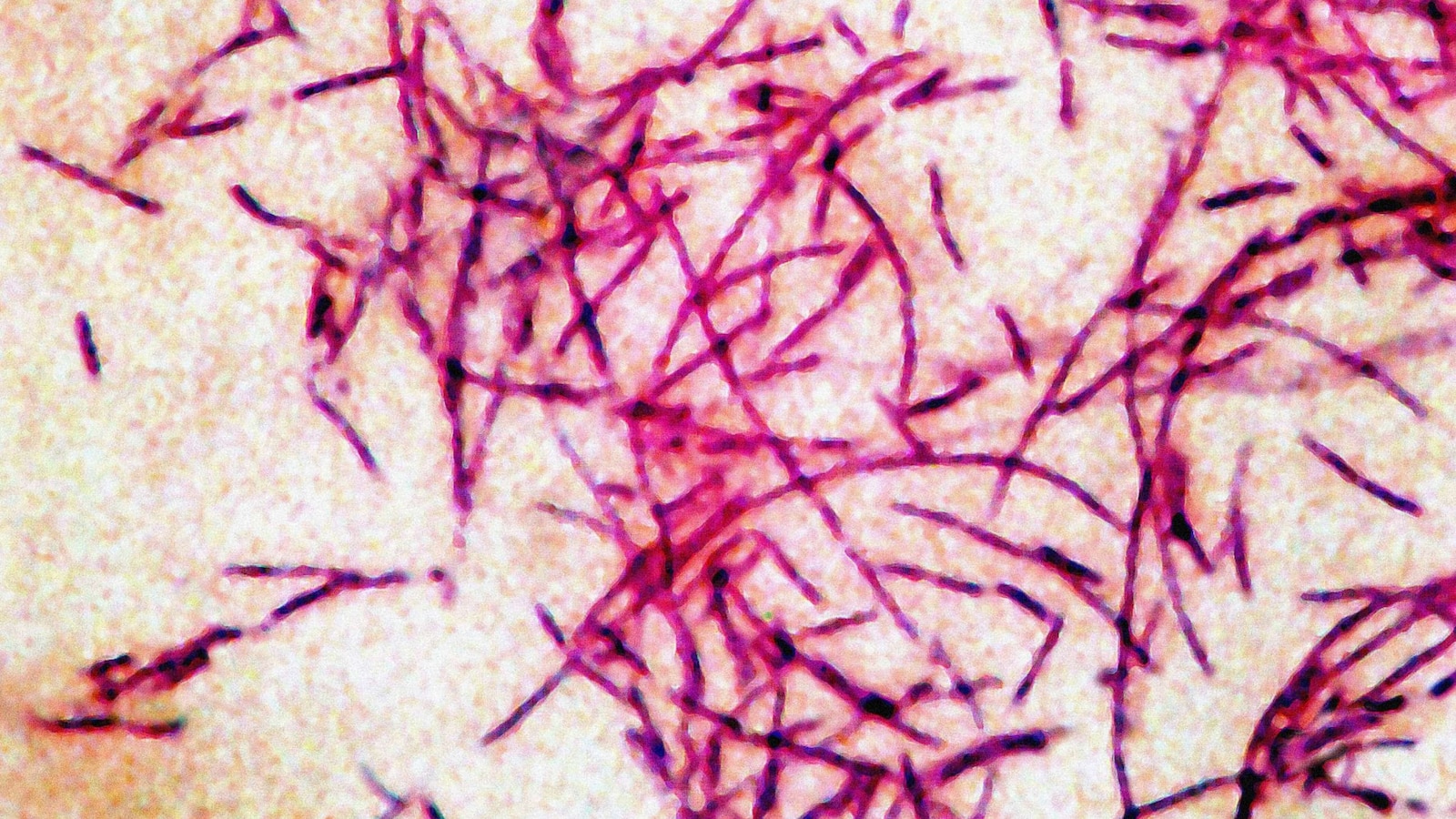
Legionnaires' disease is a severe and potentially deadly form of pneumonia caused by inhaling the Legionella bacteria. This waterborne disease has been a concern for public health officials for decades, and recent outbreaks in New York City have highlighted the need for vigilance and education. The disease is caused by inhaling tiny droplets of water contaminated with the bacteria, and can lead to severe respiratory illness, pneumonia, and even death.
In recent weeks, a cluster of Legionnaires' disease cases has emerged in the Upper East Side of New York City, with at least 74 cases identified and eight individuals remaining hospitalized. The New York City Health Department has issued a warning to residents who have spent time in the affected zip codes (10028, 10075, 10128), which include Carnegie Hill and Yorkville, to seek medical attention if they develop flu-like symptoms. According to Dr. Alister F. Martin, New York City Health Commissioner, "It is with great sadness that I report a third person has died in connection with the Legionnaires' disease community cluster on the Upper East Side. Our hearts are with their family and friends as they mourn their loss".
The symptoms of Legionnaires' disease can appear up to 14 days after exposure, making it essential for individuals who have been in close proximity to the affected areas to monitor their health and seek medical attention if they experience any respiratory symptoms, such as cough, chest pain, or difficulty breathing. Health officials believe that the source of the bacteria has likely been eliminated, but they continue to inspect every cooling tower that tested positive for the bacteria. This outbreak has highlighted the importance of inspecting and maintaining water cooling systems to prevent the spread of Legionnaires' disease.
Legionnaires' disease is a severe form of pneumonia caused by inhaling Legionella bacteria in small droplets of water mixed in the air or contaminated water accidentally going into the lungs. The bacteria are found naturally in freshwater, but amounts generally don't lead to disease. According to the Centers for Disease Control and Prevention (CDC), the bacteria typically grow best in warm water and in warm to hot temperatures. The disease does not generally spread from person to person, but infections can occur if the bacteria get into a building's water supply, including in shower heads, sink faucets, hot water tanks, heaters, cooling towers, and other plumbing systems.
The prevalence of Legionnaires' disease has increased over the last decade, reaching a peak of 2.71 cases per 100,000 in 2018. The CDC reports that cases dropped during the first year of the COVID-19 pandemic and then rebounded in 2021. While most people recover from Legionnaires' disease with antibiotics, certain patients, including those who are immunocompromised or who suffer from chronic lung diseases, can develop complications that can be fatal. The severity of the disease highlights the importance of education and awareness for residents, especially in areas where the disease is more prevalent.
The response from health officials has been prompt and effective, with the NYC Department of Health urging residents to take precautions and seeking medical attention if they experience any symptoms. The department has also emphasized the importance of inspecting and maintaining water cooling systems to prevent the spread of the disease. The public health community has been closely monitoring the situation, and experts are working to understand the underlying causes of the outbreak and to develop strategies for prevention and control.
In the aftermath of this outbreak, it is essential to remember the importance of vigilance and education. Residents, especially in affected areas, must remain aware of the risks and take necessary precautions to prevent exposure to the Legionella bacteria. Health officials must also continue to inspect and maintain water cooling systems to prevent the spread of the disease. By working together, we can prevent future outbreaks and protect public health. As we move forward, it is crucial to remember the importance of awareness, education, and prevention in combating the spread of Legionnaires' disease.
The New York City Health Department has been working diligently to address the outbreak, and the public health community is committed to providing support and resources to affected residents. As this situation continues to unfold, it is essential to remain informed and up-to-date on the latest developments. By working together, we can prevent future outbreaks and protect public health.
In conclusion, the recent outbreak of Legionnaires' disease in New York City has highlighted the importance of vigilance and education in preventing the spread of this deadly disease. The public health community must continue to work together to address the root causes of the outbreak and to develop effective strategies for prevention and control. By staying informed and taking necessary precautions, we can prevent future outbreaks and protect public health.
The New York City Health Department urges residents to be aware of the risks and to seek medical attention if they experience any symptoms. Additionally, residents can take the following precautions to prevent exposure to the Legionella bacteria:
* Avoiding standing water in buildings and homes
* Regularly inspecting and maintaining water cooling systems
* Keeping shower heads, sink faucets, and other plumbing systems clean and free of mineral deposits
* Avoiding hot tubs and whirlpools
* Using hot water for drinking and cooking purposes only
By taking these precautions and remaining aware of the risks, residents can help prevent the spread of Legionnaires' disease.
The city's efforts to combat this outbreak demonstrate a commitment to public health and a willingness to take proactive measures to prevent future infections. As we move forward, it is essential to remember the importance of awareness, education, and prevention in combating the spread of Legionnaires' disease.
The public health community has been closely monitoring the situation, and experts are working to understand the underlying causes of the outbreak and to develop strategies for prevention and control. The CDC reports that cases dropped during the first year of the COVID-19 pandemic and then rebounded in 2021. While most people recover from Legionnaires' disease with antibiotics, certain patients, including those who are immunocompromised or who suffer from chronic lung diseases, can develop complications that can be fatal.
In light of this outbreak, it is essential to review and refine existing protocols for preventing and responding to Legionnaires' disease. This includes increasing education and awareness among residents, healthcare providers, and building owners and operators. It also requires continued investment in inspection and maintenance of water cooling systems, as well as development of new technologies and strategies for preventing the spread of the disease.
As we look to the future, it is crucial to remember the importance of public health and the role that education, awareness, and prevention play in combating the spread of Legionnaires' disease. By working together, we can prevent future outbreaks and protect public health. The city's response to this outbreak serves as a reminder of the importance of vigilance and education in preventing the spread of this deadly disease.
In summary, the recent outbreak of Legionnaires' disease in New York City has highlighted the importance of public health, education, and awareness in preventing the spread of this deadly disease. The city's response to this outbreak demonstrates a commitment to public health and a willingness to take proactive measures to prevent future infections. By staying informed and taking necessary precautions, residents can help prevent the spread of Legionnaires' disease and protect public health.
The city's efforts to combat this outbreak are ongoing, and residents can expect updates and information from the NYC Department of Health. In the meantime, it is essential to remain vigilant and take necessary precautions to prevent exposure to the Legionella bacteria. By working together, we can prevent future outbreaks and protect public health.
Ringkasan
Deadly Legionnaires' outbreak in New York City: What you need to know about the disease, its causes, and the response from health officials