





Ukraine's Largest Aerial Attack of the War: A Devastating Blow to Russia
Ukraine's military has launched one of its largest aerial attacks of the war, killing at least six...
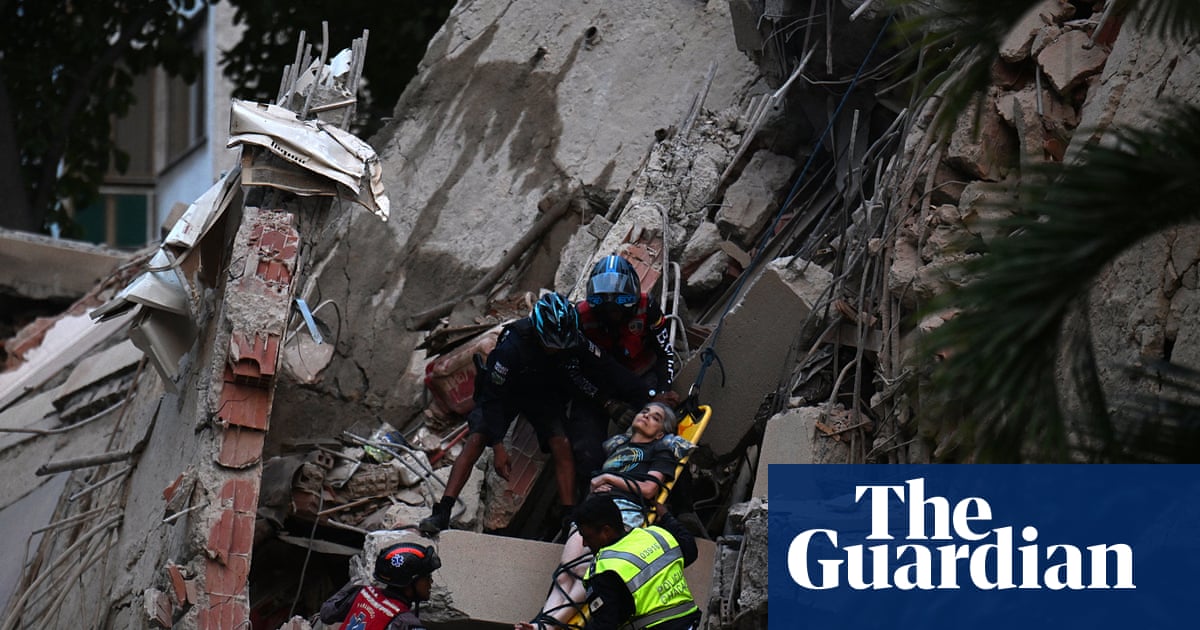
The recent earthquake sequence in Venezuela, specifically in the capital city of Caracas, has left a lasting impact on the country. A magnitude 7.5 mainshock followed by a 7.2 foreshock within a span of 39 seconds has caused extensive damage to buildings, homes, and infrastructure, prompting the acting president, Delcy Rodríguez, to declare a state of emergency. The country's interim leader urged citizens to remain calm and united in the face of this disaster while also warning about the threat of aftershocks that could further destabilize already damaged structures.
Reports indicate that the quakes were the largest in Venezuela's history, sparking fear and panic among the population. Videos shared on social media reveal the extent of the destruction, with scenes of panic as passengers frantically sought cover from falling debris at the Maiquetía airport. The airport sustained severe damage, and both the metro and train systems were halted following the disaster. While Rodríguez expressed condolences to the families of those who lost relatives, the full extent of the casualties and fatalities remains unclear.
The epicentre of the earthquakes was located west of the community of Morón, situated along the Caribbean coast of Venezuela, approximately 168 kilometres (104 miles) west of Caracas. The United States Geological Survey (USGS) reported that the epicentre had a depth of 13 kilometres (8 miles). The Interior Minister, Diosdado Cabello, underscored the severity of the quake, stating, 'A seismic event that everything suggests was considerably above 7 points has taken place.' Cabello also warned that aftershocks could pose a significant threat to structures already compromised by the primary quake, urging citizens to remain outdoors and to stay calm.
Widespread destruction has been reported in various areas of Caracas and its surrounding regions, including Altamira, home to many foreign embassies, and La Guaira, a port city on Venezuela's Caribbean coast. Several buildings in these localities have collapsed, while others have been severely damaged. Rescue efforts are underway, with multiple victims reportedly trapped under the rubble. The situation is further complicated by the fact that the earthquakes were accompanied by intense dust clouds, making it difficult for people to escape damaged areas.
Several eyewitnesses described the quakes and their aftermath. Olky Barrero, a 56-year-old teacher, recounted her personal experience during the disaster: 'It was horrible. We hope to God that there are as few victims as possible. We're praying.' Another eyewitness, José Morillo, expressed fears for the well-being of his family members who were trapped inside one of the collapsed buildings. 'My brother, my son, and nephews are all inside. I have faith. I believe in God a lot. I hope everyone is OK – but uncertainty is torture,' Morillo said as rescue workers combed through the rubble.
The earthquake's impact extends beyond Caracas, with several coastal cities, including La Guaira, suffering significant damage. The US embassy in Caracas advised its citizens to avoid damaged areas and to seek secure shelter. As the country grapples with this disaster, it remains to be seen how the Venezuelan government will respond, given its already fragile economic and social situation. The international community has expressed support for the victims of this natural disaster, and it is crucial that assistance is provided as quickly as possible.
A powerful back-to-back earthquake sequence has ravaged the capital city of Caracas in Venezuela, resulting in significant damage and loss of life.
Ukraine's military has launched one of its largest aerial attacks of the war, killing at least six...

As Fishers grapples with the devastating aftermath of historic flooding, the city has declared a...
Heart-wrenching images show severe flooding in Ravenswood, located on the north side of...
Devastating Indonesia Earthquake Leaves Dozens Dead and Thousands Stranded usatoday.com
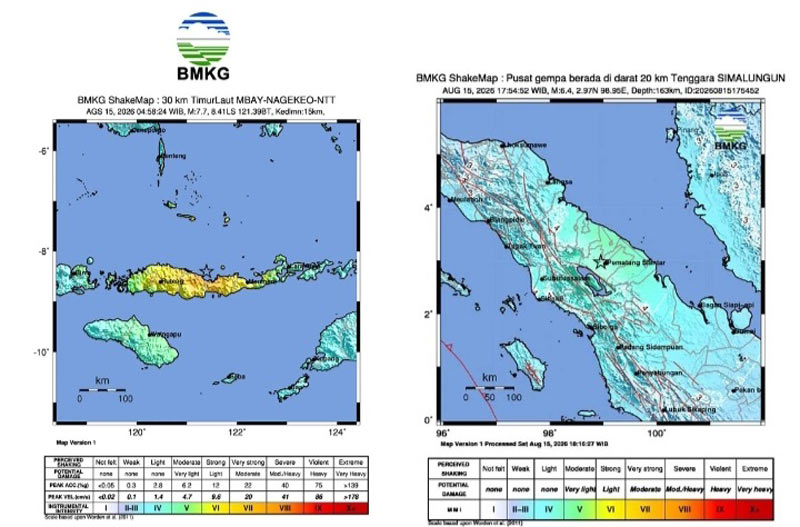
Indonesia Terima Dampak Gempa Bumi Besar pada Hanya Satu Hari Darilaut.id
A devastating earthquake with a magnitude of 7.7 strikes Indonesia, leaving a trail of destruction...

Netizen tidak senang dengan komentar-komentar yang diberikan

BTS mungkin kembali mengikuti Grammy setelah rekanan mereka, Recording Academy, mengumumkan revisi...
BTS mungkin tidak akan mengubah keputusan untuk mengabaikan Grammy karena deadline pengiriman musik...
Update terbaru tentang keputusan BTS untuk tidak mengirimkan musik mereka untuk dijadikan nominee...
Pihak Recording Academy mengumumkan akan kembali meninju keputusan untuk memperkenalkan kategori...

Sangyeop Sangyeop mengumumkan rencananya untuk menikah dengan seorang non-celebrity, mengejutkan...