




Hawaiian Electric Provides Statewide Power Restoration Update
Hawaiian Electric has issued a comprehensive update on the status of power restoration across the...

The earthquake that hit Colombia was a significant seismic event that caught the attention of the global community. According to reports, the earthquake had a substantial magnitude, causing widespread destruction and loss of life. The epicenter of the earthquake was located in a region prone to seismic activity, which has raised concerns about the potential for future earthquakes in the area. The Colombian government has been working tirelessly to respond to the disaster, with rescue teams and aid organizations working around the clock to provide assistance to those affected. As the situation continues to evolve, it is crucial to understand the causes and consequences of this devastating event.
The earthquake in Colombia has resulted in a significant number of casualties and injuries, with many people still missing. The disaster has also caused extensive damage to infrastructure, including buildings, roads, and bridges. The Colombian government has declared a state of emergency, mobilizing all available resources to respond to the crisis. International aid organizations have also pledged their support, providing critical assistance to those in need. As the rescue efforts continue, it is essential to recognize the bravery and selflessness of the emergency responders who are working tirelessly to save lives. The earthquake has also highlighted the importance of disaster preparedness and the need for communities to be equipped with the necessary skills and resources to respond to such events.
The earthquake in Colombia has sparked a wave of solidarity and support from around the world. Many countries have offered assistance, including search and rescue teams, medical supplies, and financial aid. The international community has come together to support the people of Colombia, demonstrating the power of global unity in the face of adversity. The earthquake has also raised important questions about the role of climate change in exacerbating natural disasters. As the world grapples with the challenges of climate change, it is essential to recognize the need for sustainable and resilient infrastructure that can withstand the impacts of extreme weather events. The earthquake in Colombia serves as a stark reminder of the importance of prioritizing disaster risk reduction and management.
As the people of Colombia begin to rebuild and recover, it is essential to examine the long-term implications of the earthquake. The disaster has highlighted the need for increased investment in disaster preparedness and infrastructure resilience. The Colombian government has announced plans to implement new building codes and seismic safety standards, which will help to reduce the risk of damage from future earthquakes. The international community has also pledged to support Colombia's reconstruction efforts, providing technical assistance and financial aid to help the country rebuild. As the reconstruction process begins, it is crucial to prioritize the needs of the most vulnerable populations, including children, women, and the elderly.
The earthquake in Colombia has also had significant economic implications, with the disaster causing widespread disruption to trade and commerce. The Colombian government has estimated that the earthquake will result in significant economic losses, which will have a lasting impact on the country's economy. The international community has offered support to help Colombia recover from the economic shock, including financial aid and technical assistance. As the country begins to rebuild, it is essential to prioritize sustainable and inclusive economic growth, which will help to reduce poverty and inequality. The earthquake has also highlighted the importance of disaster risk financing, which can help countries to manage the financial impacts of natural disasters.
Looking to the future, it is essential to recognize the importance of learning from the earthquake in Colombia. The disaster has provided valuable lessons about the need for disaster preparedness, infrastructure resilience, and sustainable economic growth. The international community has a critical role to play in supporting Colombia's reconstruction efforts, providing technical assistance and financial aid to help the country rebuild. As the world continues to grapple with the challenges of climate change, it is essential to prioritize disaster risk reduction and management, recognizing the importance of sustainable and resilient infrastructure. The earthquake in Colombia serves as a stark reminder of the need for global solidarity and cooperation in the face of adversity, and it is essential to continue to support the people of Colombia as they rebuild and recover.
In conclusion, the earthquake in Colombia was a devastating event that has had a profound impact on the country and the global community. As the situation continues to evolve, it is essential to examine the key facts, analysis, and implications of this disaster. The earthquake has highlighted the importance of disaster preparedness, infrastructure resilience, and sustainable economic growth, and it is crucial to recognize the need for global solidarity and cooperation in the face of adversity. As the people of Colombia begin to rebuild and recover, it is essential to prioritize their needs and provide support to help them overcome the challenges ahead. The earthquake in Colombia will have a lasting impact on the country and the world, and it is essential to learn from this disaster to build a more resilient and sustainable future.
A powerful earthquake struck Colombia, leaving a trail of destruction and chaos in its wake. The disaster has prompted a massive response from emergency services and aid organizations. As the situation continues to unfold, it is essential to examine the key facts, analysis, and implications of this devastating event.
Hawaiian Electric has issued a comprehensive update on the status of power restoration across the...
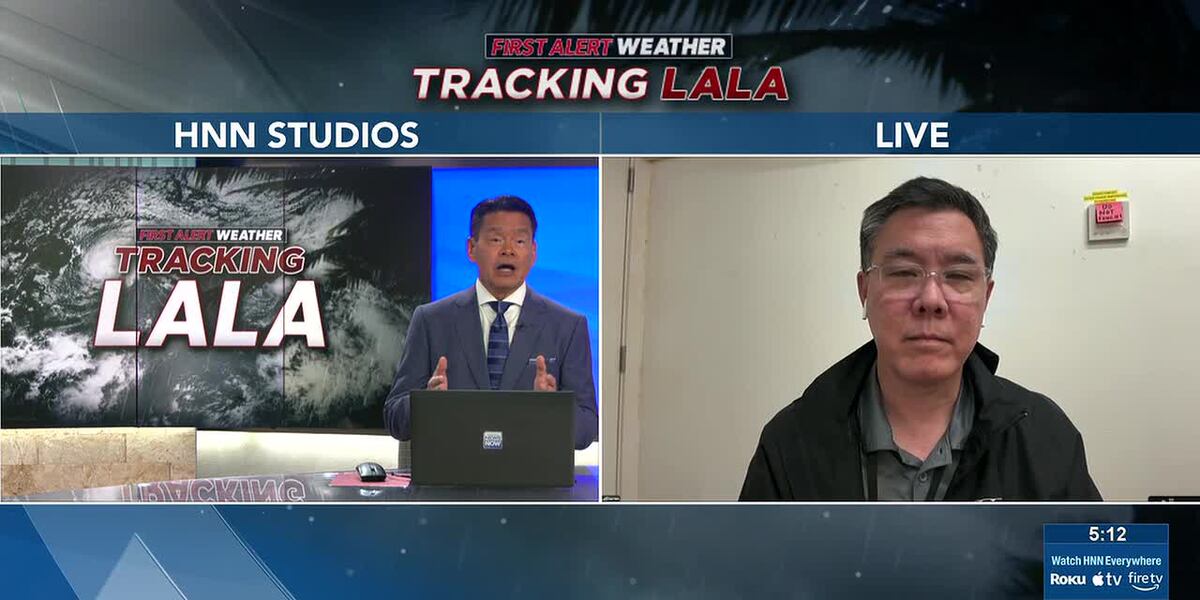
Darren Pai from Hawaiian Electric shares a critical 5 p.m. update on the ongoing power outage...
Stay informed about Tropical Storm Lala's impact on Hawaii, with updates on warnings, advisories,...
A comprehensive overview of the Sorrento Fire, including its impact, key facts, and future...
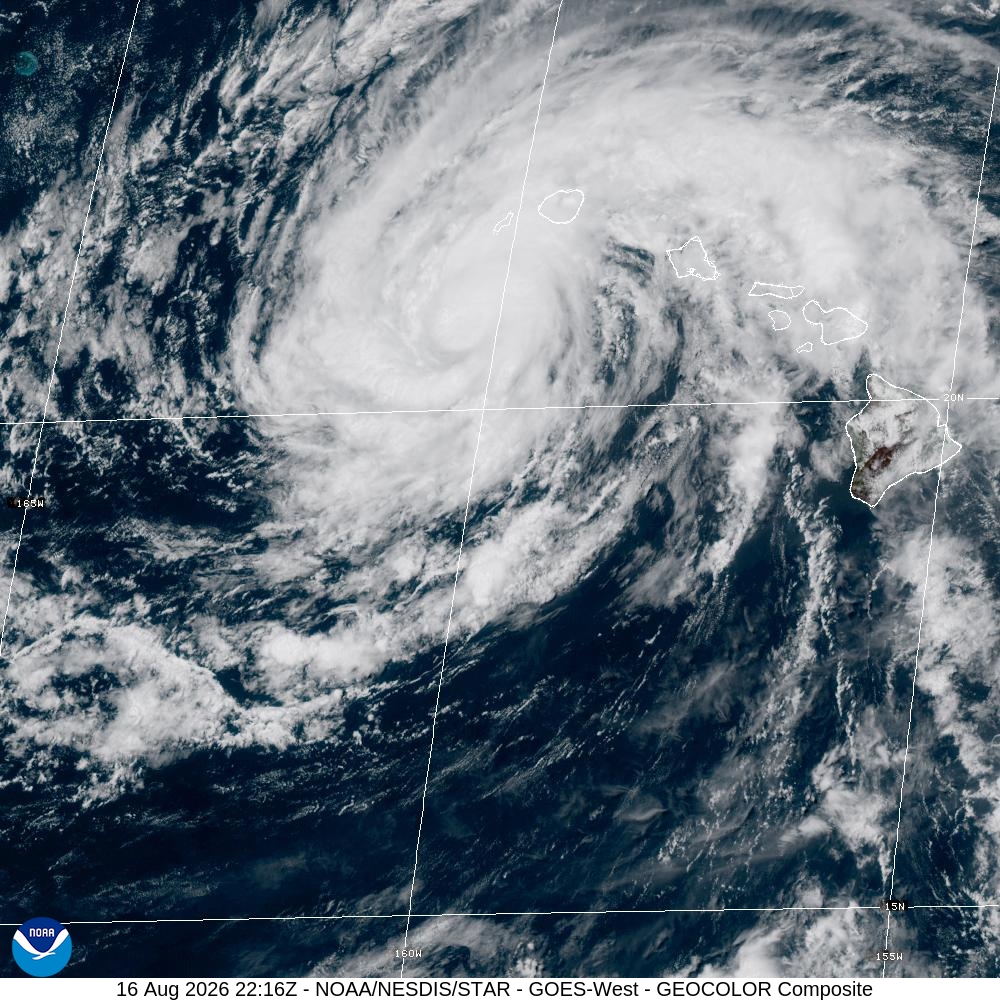
Tropical Storm Lala brought unprecedented rainfall and snowfall to Hawaii, raising questions about...
Downtown Dallas fire update and analysis, as a large plume of dark smoke was seen rising over the...

Netizen tidak senang dengan komentar-komentar yang diberikan

BTS mungkin kembali mengikuti Grammy setelah rekanan mereka, Recording Academy, mengumumkan revisi...
BTS mungkin tidak akan mengubah keputusan untuk mengabaikan Grammy karena deadline pengiriman musik...
Update terbaru tentang keputusan BTS untuk tidak mengirimkan musik mereka untuk dijadikan nominee...
Pihak Recording Academy mengumumkan akan kembali meninju keputusan untuk memperkenalkan kategori...

Sangyeop Sangyeop mengumumkan rencananya untuk menikah dengan seorang non-celebrity, mengejutkan...