


Hawaiian Electric Provides Statewide Power Restoration Update
Hawaiian Electric has issued a comprehensive update on the status of power restoration across the...

The Rocky Canyon Fire, which has been ravaging the landscape of Morgan and Summit Counties, has now forced the evacuation of residences between Hog Back Summit and West Henefer Road, with all affected areas placed under a 'Go' status, indicating an immediate need for evacuation. Residents have been instructed to follow designated evacuation routes and to call 911 if they require assistance in evacuating the area. The urgency of the situation cannot be overstated, with officials emphasizing the importance of not delaying evacuation to gather additional belongings, as every minute counts in ensuring safety. Furthermore, residents are advised to be aware of increased firefighter activity and the potential for smoke in the area, underscoring the critical nature of the fire's spread. The fire's impact is not limited to the immediate area, as it has already led to the closure of the north end of East Canyon State Park, including the Dixie Creek Campground, highlighting the extensive reach of the blaze.
The evacuation order, which covers all homes and structures from Whites Crossing to East Canyon Dam, is a precautionary measure to protect residents from the potential dangers posed by the fire, including a planned burn operation. This operation, aimed at containing the fire, may impact the area directly, necessitating the evacuations to ensure the safety of the public. Officials are also urging residents to spread the word to those living nearby, emphasizing community vigilance and cooperation in the face of this natural disaster. A temporary shelter has been set up at the Henefer LDS Chapel at 709 N. Main St. in Henefer, providing a safe haven for those displaced by the fire. Additionally, arrangements have been made for large animals, with the Morgan County Fairgrounds designated as a safe location for their care. The complex arrangements for both human and animal care reflect the comprehensive approach being taken to mitigate the fire's impact.
The Rocky Canyon Fire, having already burned over 2,800 acres, represents a significant threat to the region, with its rapid spread and unpredictable behavior posing challenges for firefighters. The decision to evacuate homes near East Canyon Dam in Morgan, Utah, underscores the gravity of the situation and the proactive stance being taken by authorities to safeguard the community. The establishment of a shelter at the MHS Trojan Century Center, located at 699 E. Young Street, further demonstrates the concerted effort to support those affected, providing a central location for information, assistance, and relief. As the situation continues to evolve, residents are advised to remain vigilant and to follow all instructions from local authorities, who are working diligently to bring the fire under control. The fire's spread and the resultant evacuations have significant implications for the local ecosystem, with concerns regarding wildlife and natural habitats adding another layer of complexity to the response efforts.
Analysis of the fire's progression and the effectiveness of the response efforts will be crucial in the coming days, as authorities seek to minimize damage and protect both human life and the environment. The deployment of resources, including personnel and equipment, to combat the fire reflects the scale of the challenge being faced. The situation serves as a stark reminder of the power of nature and the importance of preparedness and community resilience in the face of such disasters. As the fire continues to burn, the focus remains on containment and the protection of the surrounding areas, with the long-term implications for the region's landscape and wildlife habitats being closely monitored. The response to the Rocky Canyon Fire also highlights the importance of coordination between different agencies and the role of local communities in disaster response, emphasizing the value of a unified and supportive approach to crisis management.
The future outlook for the region, in the aftermath of the Rocky Canyon Fire, will depend significantly on the success of the current efforts to contain and extinguish the blaze. The implications for local residents, who have been displaced or affected by the fire, will be far-reaching, with potential long-term effects on housing, infrastructure, and the local economy. The fire also underscores the broader issue of wildfire management and prevention, highlighting the need for continued awareness and proactive measures to mitigate the risk of such disasters in the future. As the situation develops, the community's resilience and ability to come together in times of crisis will be vital in navigating the challenges ahead. The support provided by local, state, and potentially federal agencies will also play a critical role in the recovery efforts, demonstrating the multifaceted approach required to address the consequences of such a significant event.
Looking forward, the focus will not only be on the immediate containment of the Rocky Canyon Fire but also on the longer-term strategies for preventing similar disasters and supporting affected communities. This includes reviewing emergency response plans, enhancing public awareness campaigns about fire safety and prevention, and potentially implementing new measures to protect sensitive ecosystems. The experience gained from responding to the Rocky Canyon Fire will be invaluable in informing future policies and practices related to wildfire management, emphasizing the importance of learning from such events to improve disaster resilience. Furthermore, the incident highlights the interconnectedness of environmental, social, and economic factors in the context of natural disasters, calling for a holistic approach to disaster management and recovery. As the community begins the process of healing and rebuilding, the memory of the Rocky Canyon Fire will serve as a poignant reminder of the power of nature and the strength of community in the face of adversity.
In conclusion, the evacuation of homes near East Canyon Dam due to the Rocky Canyon Fire represents a critical moment in the ongoing efforts to combat the blaze and protect the community. The situation, with its complex challenges and multifaceted response, encapsulates the broader issues surrounding wildfire management, disaster response, and community resilience. As the story of the Rocky Canyon Fire continues to unfold, it will undoubtedly provide valuable insights into the best practices for mitigating the impact of such disasters and supporting those affected, serving as a testament to the human spirit and the importance of community in times of crisis. The aftermath of the fire will also be marked by a period of reflection and planning, aimed at reducing the risk of similar incidents in the future and enhancing the region's capacity to respond to and recover from natural disasters. Through this process, the community will emerge stronger and more resilient, with a renewed sense of purpose and a deeper understanding of the importance of preparedness and solidarity in the face of adversity.
Ultimately, the experience of the Rocky Canyon Fire will be a transformative one for the affected communities, prompting a reevaluation of priorities and practices related to environmental stewardship, public safety, and community well-being. The lessons learned from this event will have far-reaching implications, contributing to the development of more effective strategies for wildfire prevention, disaster response, and post-disaster recovery. As the region begins the journey towards healing and rebuilding, the focus will be on creating a more sustainable and resilient future, one that balances the needs of human communities with the imperative of protecting the natural environment. The story of the Rocky Canyon Fire serves as a powerful reminder of the interconnectedness of human and environmental well-being, highlighting the need for a holistic and forward-thinking approach to managing the complex challenges posed by natural disasters.
A dire situation is unfolding in Morgan, Utah, where the raging Rocky Canyon Fire has prompted the evacuation of homes near East Canyon Dam, with residents urged to flee immediately as firefighters work tirelessly to contain the blaze
Hawaiian Electric has issued a comprehensive update on the status of power restoration across the...
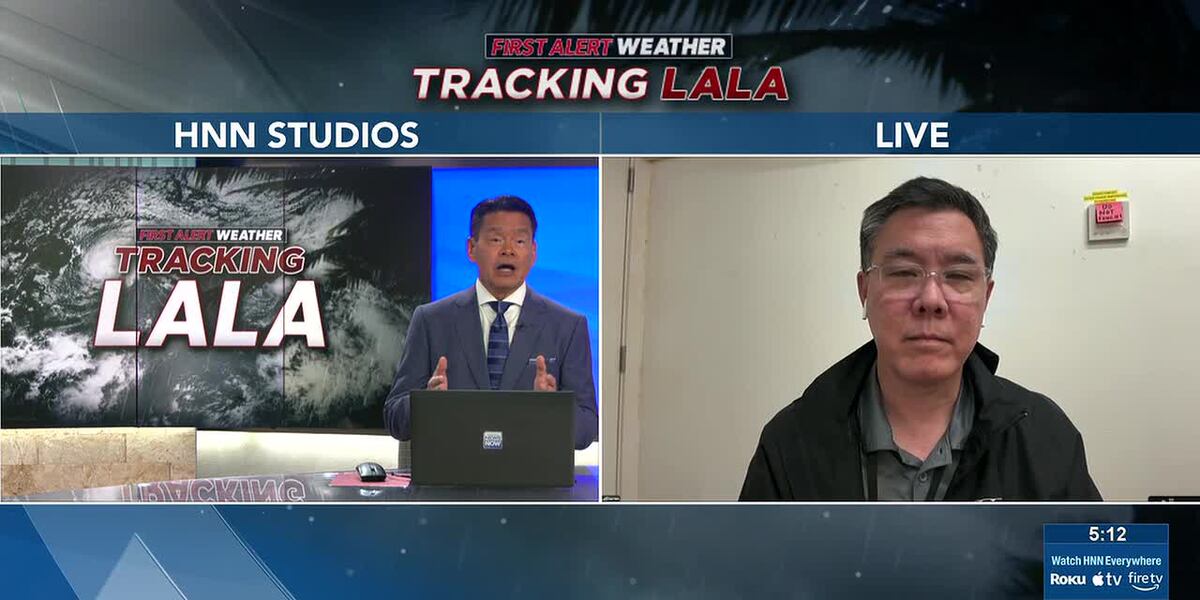
Darren Pai from Hawaiian Electric shares a critical 5 p.m. update on the ongoing power outage...

Stay informed about Tropical Storm Lala's impact on Hawaii, with updates on warnings, advisories,...
A comprehensive overview of the Sorrento Fire, including its impact, key facts, and future...
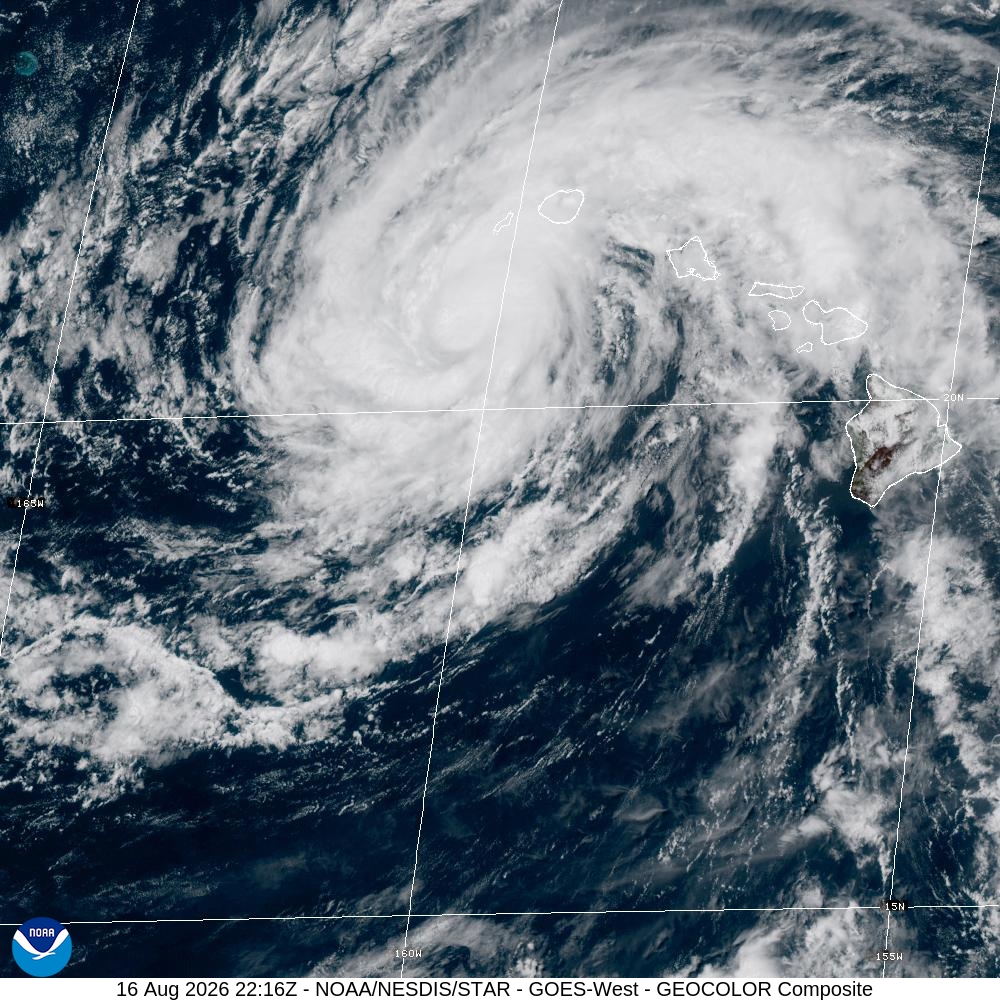
Tropical Storm Lala brought unprecedented rainfall and snowfall to Hawaii, raising questions about...
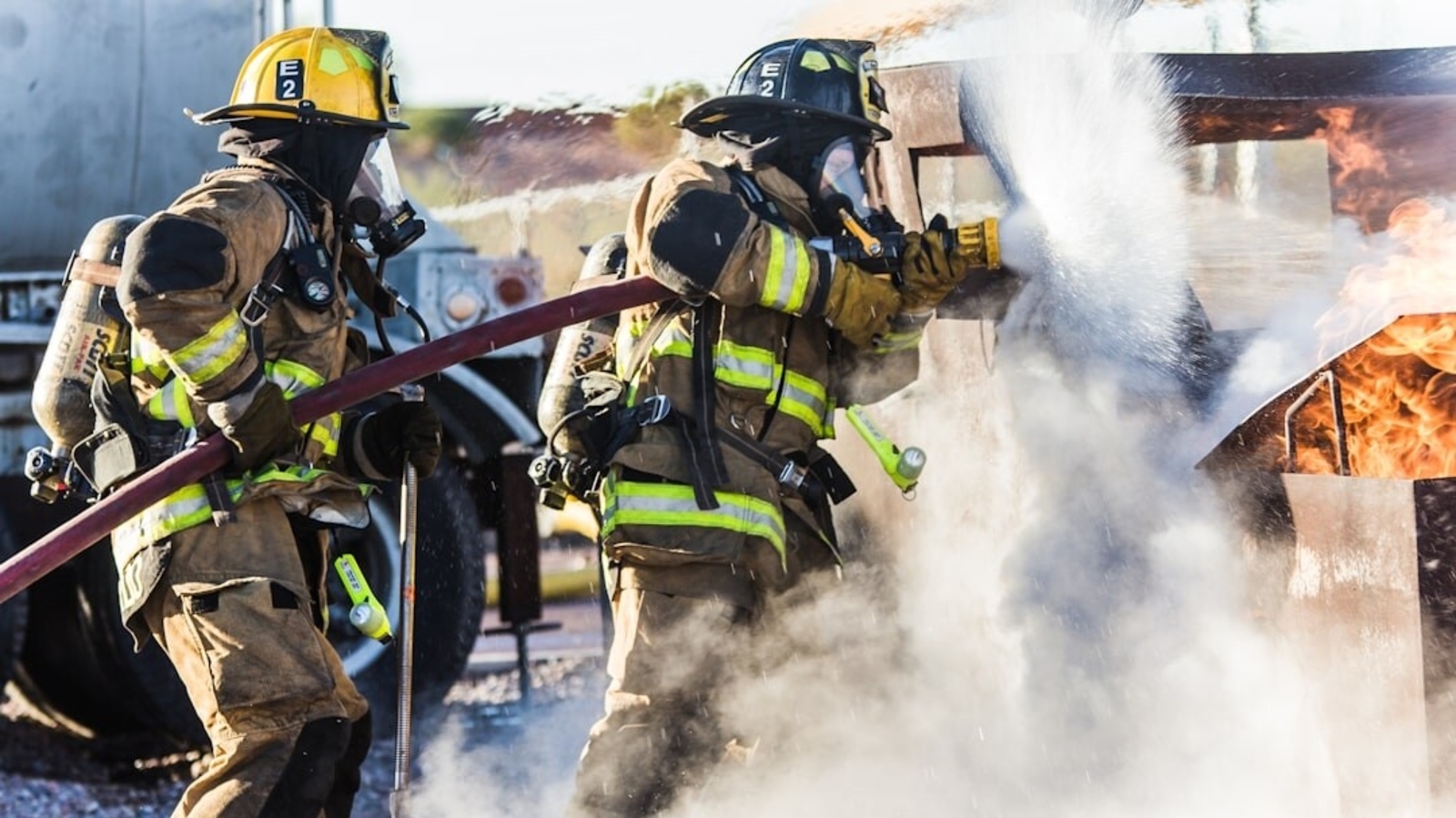
Downtown Dallas fire update and analysis, as a large plume of dark smoke was seen rising over the...

Netizen tidak senang dengan komentar-komentar yang diberikan

BTS mungkin kembali mengikuti Grammy setelah rekanan mereka, Recording Academy, mengumumkan revisi...
BTS mungkin tidak akan mengubah keputusan untuk mengabaikan Grammy karena deadline pengiriman musik...
Update terbaru tentang keputusan BTS untuk tidak mengirimkan musik mereka untuk dijadikan nominee...
Pihak Recording Academy mengumumkan akan kembali meninju keputusan untuk memperkenalkan kategori...

Sangyeop Sangyeop mengumumkan rencananya untuk menikah dengan seorang non-celebrity, mengejutkan...