




Bankruptcy Hits Rebel Creamery, a Low-Carb Ice Cream Brand Sold at Walmart and Target
Rebel Creamery, a popular low-carb ice cream brand sold at major retailers like Walmart and Target,...
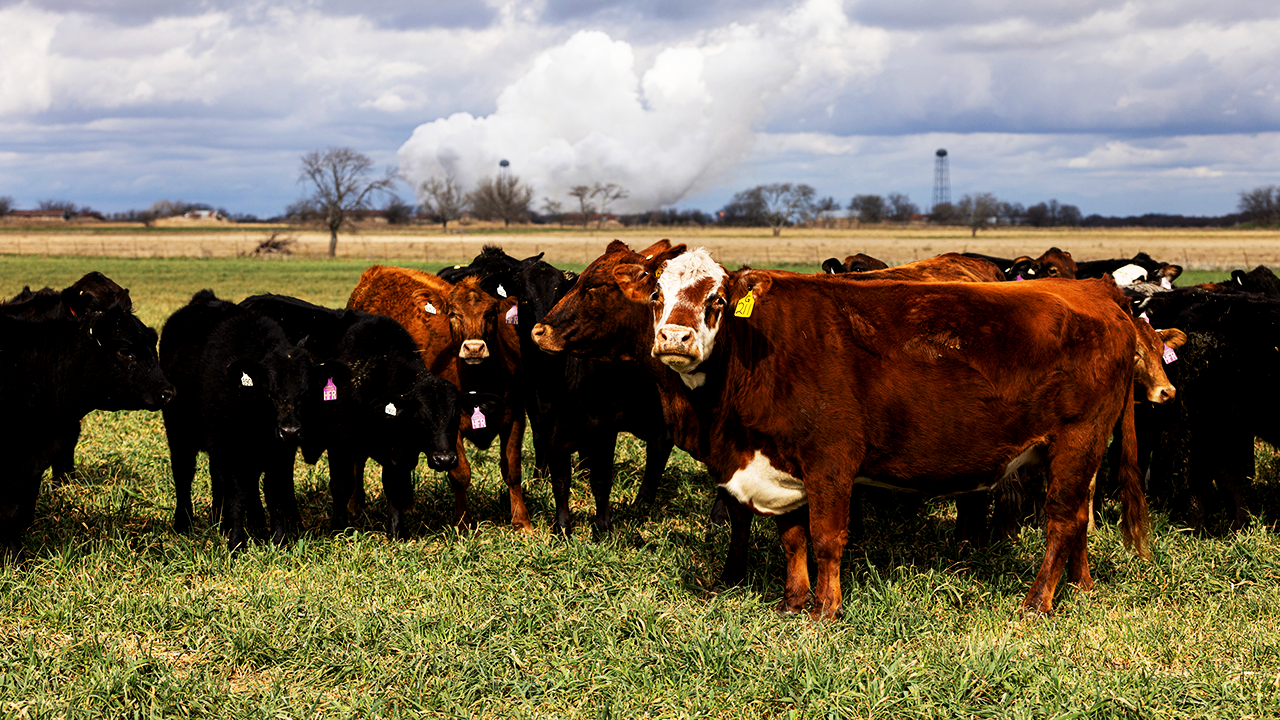
The latest development in the ongoing cattle shortage crisis has seen Tyson Foods, one of the world's largest meatpacking giants, announce plans to close two facilities and pursue the sale of a third. This strategic move aims to create a more efficient and competitive beef business amidst the historically low cattle herd levels. The closures and potential sale of facilities will see Tyson consolidate its operations and shift capacity to more modern and efficient facilities, ensuring a similar level of cattle harvesting across the network.
According to Tyson Foods, the historic cattle shortage is expected to persist, and this decision has been taken to ensure the company remains competitive in the market. The company pointed to recent data showing continued limited heifer retention, a key indicator of tight cattle supplies. This shortage has led to elevated beef prices and increased costs for meatpackers. With the US cattle herd at historically low levels, Tyson is looking to adapt to these market conditions by restructuring its operations.
The specific facilities that will be closed are the Joslin, Illinois, beef plant and the Eagle Mountain, Utah, case-ready facility. Meanwhile, the Pasco, Washington, beef facility will be put up for sale. Tyson emphasized that the company will support employees affected by the closures, including helping them apply for open positions at other facilities. The company is committed to supporting its team members through the transition process.
Tyson Foods' CEO, Donnie King, recently highlighted the pressure experienced by the company due to the beef shortages. He stated, 'Beef hasn't performed the way we expected and we're not pretending otherwise.' The company's recent earnings call underscored the challenges posed by the historic cattle shortage, which has seen prices and costs rise. As Tyson embarks on this strategic restructuring, industry observers will be watching closely to see how successful it is in addressing the ongoing shortages.
The impact of the cattle shortage on consumers is already being felt, with elevated beef prices at the forefront of the issue. The US cattle herd has fallen to historically low levels due to drought-reduced forage areas in key ranching regions, leading to forced cattle liquidation. The tight cattle supplies have put a strain on meatpackers like Tyson Foods, requiring strategic action to adapt. These measures include shifting capacity to more efficient facilities and ramping up production in other plants.
The cattle industry has faced numerous challenges in recent years, but the current situation is particularly dire. The ongoing drought has reduced forage areas, leading to a shortage of cattle for farmers to feed their animals. Furthermore, drought-related water scarcity has exacerbated the issue, forcing ranchers to liquidate their cattle. As a result, prices have skyrocketed, affecting millions of consumers. Tyson Foods' move to restructure its beef business aims to address the shortages and stabilize the market for consumers.
Tyson Foods Announces Closures Amid Cattle Shortages, Shifts Capacity to More Efficient Facilities
Rebel Creamery, a popular low-carb ice cream brand sold at major retailers like Walmart and Target,...

Marseille's Owner Injects €50.2 Million into the Football Club: A Strategic Move to Secure the...

Rebel Creamery LLC, a major ice cream brand, has filed for Chapter 11 bankruptcy following a...
Major ice cream brand seeks Chapter 11 bankruptcy after lawsuit

Ice cream brand sold in Houston faces financial repercussions after losing a high-profile lawsuit...

Russia celebrates its rich agricultural heritage at the annual Ploughing Championship, a testament...

Netizen tidak senang dengan komentar-komentar yang diberikan

BTS mungkin kembali mengikuti Grammy setelah rekanan mereka, Recording Academy, mengumumkan revisi...
BTS mungkin tidak akan mengubah keputusan untuk mengabaikan Grammy karena deadline pengiriman musik...
Update terbaru tentang keputusan BTS untuk tidak mengirimkan musik mereka untuk dijadikan nominee...
Pihak Recording Academy mengumumkan akan kembali meninju keputusan untuk memperkenalkan kategori...

Sangyeop Sangyeop mengumumkan rencananya untuk menikah dengan seorang non-celebrity, mengejutkan...