


Hawaii Emergency Update: Tropical Storm Lala Threatens Islands
Stay informed about Tropical Storm Lala's impact on Hawaii, with updates on warnings, advisories,...
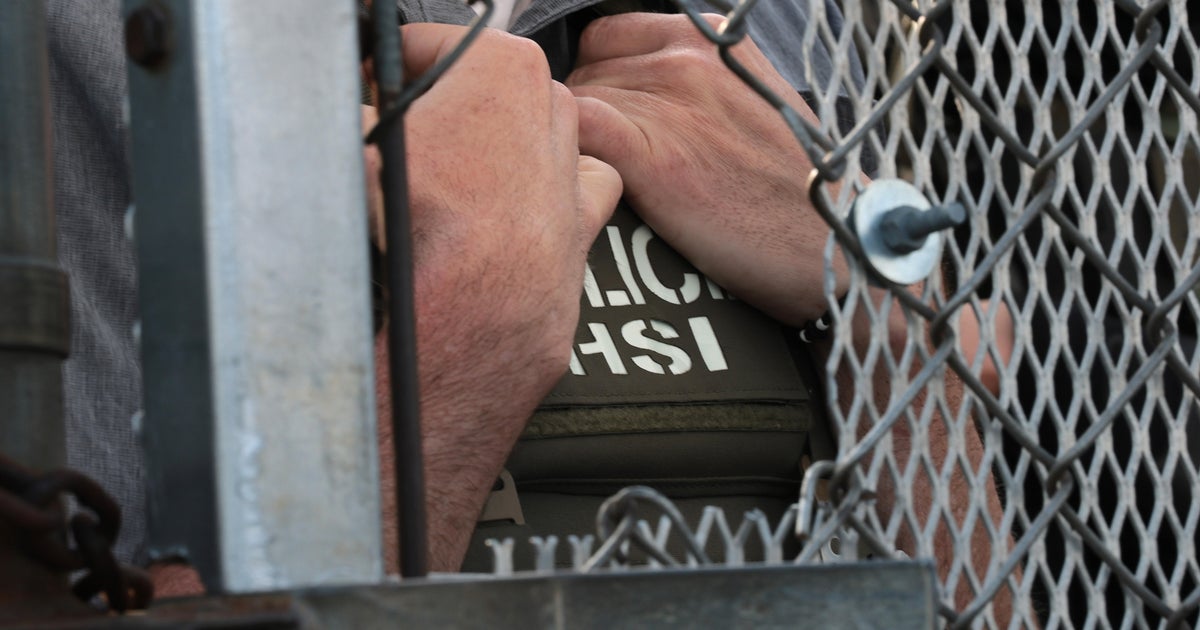
The Federal Bureau of Investigation (FBI) has made a significant change in its approach to investigating alleged assaults on immigration agents, sparking a mixture of reactions from law enforcement officials and immigrant rights advocates. According to multiple sources, the FBI will no longer lead investigations into such cases, instead, deferring them to Homeland Security Investigations (HSI), an agency under the Department of Homeland Security (DHS).
This shift in investigative authority comes on the heels of several high-profile fatal shootings involving Immigration and Customs Enforcement (ICE) officers in Texas and Maine earlier this month. The incidents have reignited concerns about the safety of immigration agents and the need for better protocols when dealing with potentially volatile situations. The change is seen as a response to the growing demand for greater accountability within law enforcement agencies and the push to address long-standing issues related to racial and ethnic disparities in policing.
HSI, an arm of ICE, is an agency primarily tasked with enforcing immigration laws and combating international crime. However, its resources and expertise are not necessarily geared towards investigating officer-involved shootings, which often require specialized skills and equipment. As such, the decision to hand over these cases to HSI has raised questions about the agency's ability to conduct thorough and unbiased investigations.
Experts argue that the change could lead to a lack of transparency and accountability in these cases, potentially perpetuating a culture of impunity within ICE and the broader law enforcement community. The move could also exacerbate tensions between immigration agents and the communities they serve, especially if the investigations are perceived as being tainted by conflicts of interest or biased by an agency's own internal politics.
The impact of this shift will be closely watched in the coming weeks and months, particularly in light of recent incidents involving ICE officers. In one case, an ICE officer shot and killed a Mexican national in Houston who had lived in the United States for decades. Days later, an ICE officer shot and killed a Colombian man in Biddeford, Maine. These incidents have sparked outrage and calls for greater reforms within the immigration enforcement system.
In response to these developments, the Department of Homeland Security denied any changes in policy on social media, citing the agency's commitment to transparency and accountability. However, sources close to the matter insist that the change is genuine, reflecting a broader effort to reallocate investigative resources and priorities within the department.
The shift in investigative authority highlights longstanding debates about the role of the FBI in law enforcement and its relationships with other agencies. The agency's decision to step back from these investigations raises fundamental questions about its commitment to transparency and its obligations to the public.
Going forward, the implications of this change will be far-reaching, touching on issues like public trust, accountability, and the administration of justice in cases involving immigration agents. The stakes are high, particularly for immigrant communities, which have long felt vulnerable to the actions of federal law enforcement agencies.
For now, the FBI's decision to shift these cases to HSI remains shrouded in controversy, sparking concerns about the potential consequences of this change for immigration agents, their communities, and the broader law enforcement landscape.
In the face of these challenges, one thing is clear: the need for clear communication, transparency, and accountability within law enforcement agencies has never been more pressing. As debates over the proper role of the FBI and other agencies continue, one thing is certain: the future of immigration enforcement hangs in the balance.
FBI shifts immigration agent cases to HSI after recent fatal shootings, sources reveal the details behind the move and its potential effects on law enforcement and immigrant communities.
Stay informed about Tropical Storm Lala's impact on Hawaii, with updates on warnings, advisories,...

FITSNews reports on Nancy Mace's transition from outgoing congresswoman to online talk show host,...

President Trump's recent order for the Pentagon to curtail military exercises with South Korea has...
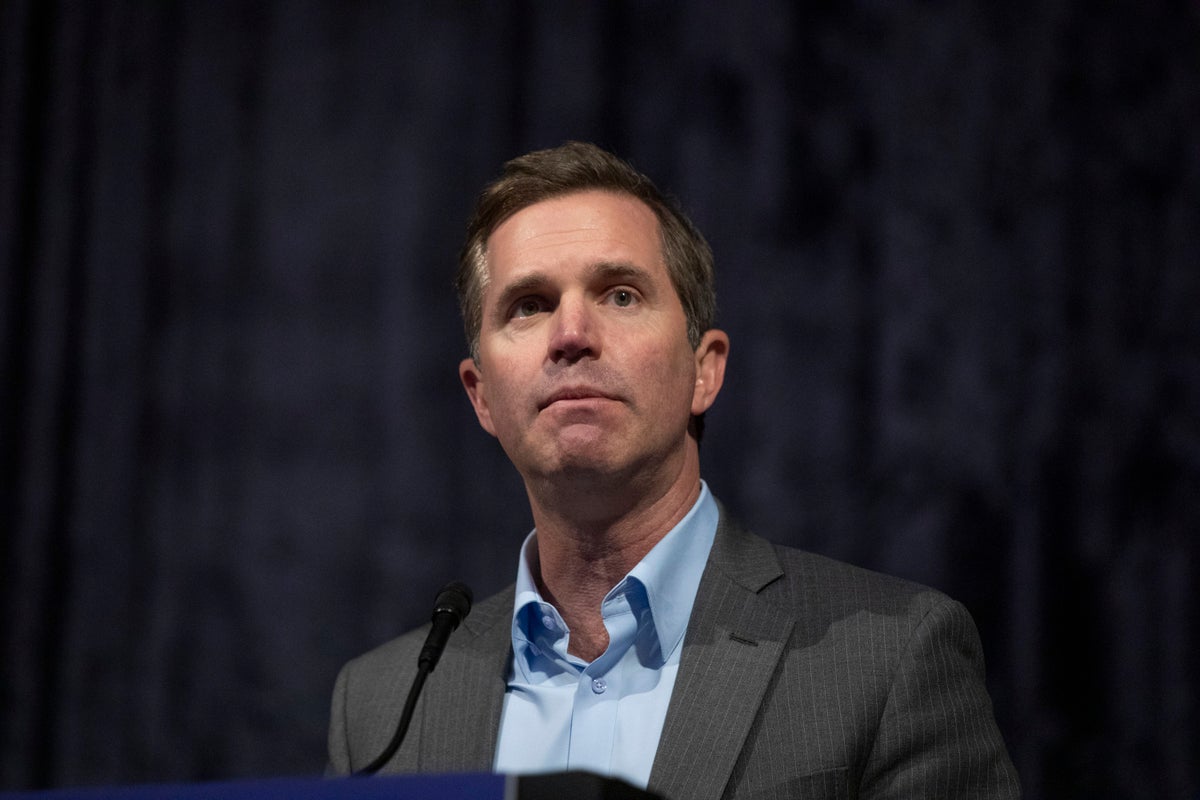
Kentucky governor Andy Beshear criticizes McConnell's lack of transparency about his health
Kentucky Governor Andy Beshear has spoken out about the lack of communication from Senator Mitch...
Exploring the reasons behind the delay in the Red Sox-Pirates game, including the circumstances,...

Netizen tidak senang dengan komentar-komentar yang diberikan

BTS mungkin kembali mengikuti Grammy setelah rekanan mereka, Recording Academy, mengumumkan revisi...
BTS mungkin tidak akan mengubah keputusan untuk mengabaikan Grammy karena deadline pengiriman musik...
Update terbaru tentang keputusan BTS untuk tidak mengirimkan musik mereka untuk dijadikan nominee...
Pihak Recording Academy mengumumkan akan kembali meninju keputusan untuk memperkenalkan kategori...

Sangyeop Sangyeop mengumumkan rencananya untuk menikah dengan seorang non-celebrity, mengejutkan...