



Reality Star Embroiled in $198K Florida Real Estate Scam: Unpacking the Story of Salomes Jackson
A detailed look into the recent arrest of former Love & Hip Hop: Atlanta star Salomes Jackson,...

Federal student loan borrowers currently enrolled in the SAVE repayment plan must transition to a new plan starting July 1, as announced by financial experts. This change affects over 7 million borrowers who will need to choose from three available options. Dr. Sonia Lewis, CEO of The Student Loan Doctor, explains that borrowers will have to decide between the traditional Income-Based Repayment (IBR) plan, the Repayment Assistance Plan (RAP), or the Tiered Standard Plan. The IBR plan is based on the borrower's income, while the Tiered Standard Plan is not. Borrowers who do not choose a plan within the given timeframe will be automatically enrolled in a standard plan, which can be expensive and may not be the best option for many borrowers.
The changes to the SAVE plan are part of a broader effort to simplify and streamline the federal student loan repayment process. According to Lewis, borrowers who do not select a new plan within 90 days of July 1 will be automatically enrolled in a standard plan, which can result in higher monthly payments. This can be particularly problematic for borrowers who are already struggling to make ends meet. Lewis emphasizes the importance of choosing a plan carefully, as it can significantly impact a borrower's financial situation. Borrowers who are currently enrolled in the SAVE plan should review their options carefully and consider seeking the advice of a financial expert before making a decision.
The SAVE plan was introduced as part of the Biden administration's efforts to make the federal student loan repayment process more manageable for borrowers. However, the plan has undergone several changes since its introduction, leaving many borrowers unsure about their options. Lewis notes that borrowers who are currently enrolled in the SAVE plan should be aware of the changes and take action to ensure they are enrolled in a plan that meets their needs. Borrowers who are unsure about their options should visit the studentaid.gov website and review their loan information to determine the best course of action. Additionally, borrowers can seek free financial counseling services through the Financial Empowerment Center in Charleston.
In addition to the changes to the SAVE plan, the U.S. Department of Education has announced that federal student loan borrowers enrolled in auto-pay will be eligible for a 1% interest rate reduction, which will last until June 30, 2028. This reduction can result in significant savings for borrowers who are carrying large balances. Dorothea Bernique, executive director of Increasing Hope Financial Training Center, notes that the reduction is particularly beneficial for borrowers with six-figure student loan debt. Bernique explains that the interest rate reduction can save borrowers thousands of dollars over the life of the loan, making it easier for them to manage their debt and achieve financial stability.
Borrowers with older loan types, such as the Federal Family Education Loan (FFEL) program, may need to take action before July 1 to ensure they are eligible for the best possible repayment options. Lewis notes that borrowers with FFEL loans may want to consider consolidating their loans before July 1 to ensure they are eligible for the IBR plan, which can provide more favorable repayment terms. Borrowers who consolidate their loans after July 1 may only be eligible for the RAP plan, which can result in longer repayment periods and higher total interest paid. Lewis emphasizes the importance of understanding the implications of consolidating loans and choosing the best repayment option for individual circumstances.
The changes to the federal student loan repayment process can have significant implications for borrowers, particularly those who are already struggling to make ends meet. Bernique notes that the changes can have broad financial implications beyond loan repayment, as high student loan debt can impact an individual's ability to achieve other financial goals, such as buying a home or starting a family. Borrowers who are proactive and take the time to understand their options can make informed decisions that will help them manage their debt and achieve financial stability. By choosing the right repayment plan and taking advantage of available resources, such as financial counseling services, borrowers can set themselves up for long-term success and achieve their financial goals.
Federal student loan borrowers who are affected by the changes to the SAVE plan should take action now to ensure they are enrolled in a plan that meets their needs. This includes reviewing loan information, considering repayment options, and seeking advice from financial experts if necessary. By being proactive and taking control of their loan repayment, borrowers can minimize the impact of the changes and set themselves up for long-term financial success. The U.S. Department of Education and other financial experts recommend that borrowers stay informed about the changes and take advantage of available resources to ensure they are making the best possible decisions about their loan repayment.
In conclusion, the changes to the SAVE plan are an important reminder of the need for federal student loan borrowers to stay informed and proactive in managing their debt. By understanding the implications of the changes and taking action to choose the best repayment plan, borrowers can minimize the impact of the changes and achieve financial stability. The U.S. Department of Education and other financial experts are available to provide guidance and support to borrowers who are navigating the federal student loan repayment process. By working together, borrowers and financial experts can ensure that the federal student loan repayment process is fair, manageable, and supportive of borrowers' long-term financial success.
As the federal student loan repayment landscape continues to evolve, it is essential for borrowers to stay informed and adapt to changes as they occur. The changes to the SAVE plan are just one example of the many changes that have taken place in recent years, and borrowers can expect more changes in the future. By staying informed and being proactive, borrowers can ensure they are always making the best possible decisions about their loan repayment and achieving their long-term financial goals. The importance of financial education and planning cannot be overstated, and borrowers who take the time to understand their options and make informed decisions will be better equipped to manage their debt and achieve financial stability.
The long-term implications of the changes to the SAVE plan are significant, and borrowers must consider their options carefully to ensure they are making the best possible decisions about their loan repayment. The changes can have a lasting impact on a borrower's financial situation, and it is essential to consider the potential consequences of each repayment option. By choosing the right repayment plan and taking advantage of available resources, borrowers can set themselves up for long-term financial success and achieve their goals. The U.S. Department of Education and other financial experts are committed to providing borrowers with the information and support they need to make informed decisions about their loan repayment and achieve financial stability.
Looking to the future, it is clear that the federal student loan repayment landscape will continue to evolve, and borrowers must be prepared to adapt to changes as they occur. The U.S. Department of Education and other financial experts will continue to provide guidance and support to borrowers, and it is essential for borrowers to stay informed and take an active role in managing their debt. By working together, borrowers and financial experts can ensure that the federal student loan repayment process is fair, manageable, and supportive of borrowers' long-term financial success. The future of federal student loan repayment is uncertain, but one thing is clear: borrowers who are informed, proactive, and committed to achieving financial stability will be best equipped to navigate the challenges and opportunities that lie ahead.
Federal student loan borrowers enrolled in the SAVE plan must switch to a new plan by July 1, according to financial experts
A detailed look into the recent arrest of former Love & Hip Hop: Atlanta star Salomes Jackson,...

The Denver Broncos are gearing up to begin a monumental undertaking as they eye a spring 2027 start...

Mark Cuban Shares Surprising Tips for Staying Financially Secure After Winning the Lottery

A recent report has shed light on the long-term pressure facing Tennessee lottery scholarship...
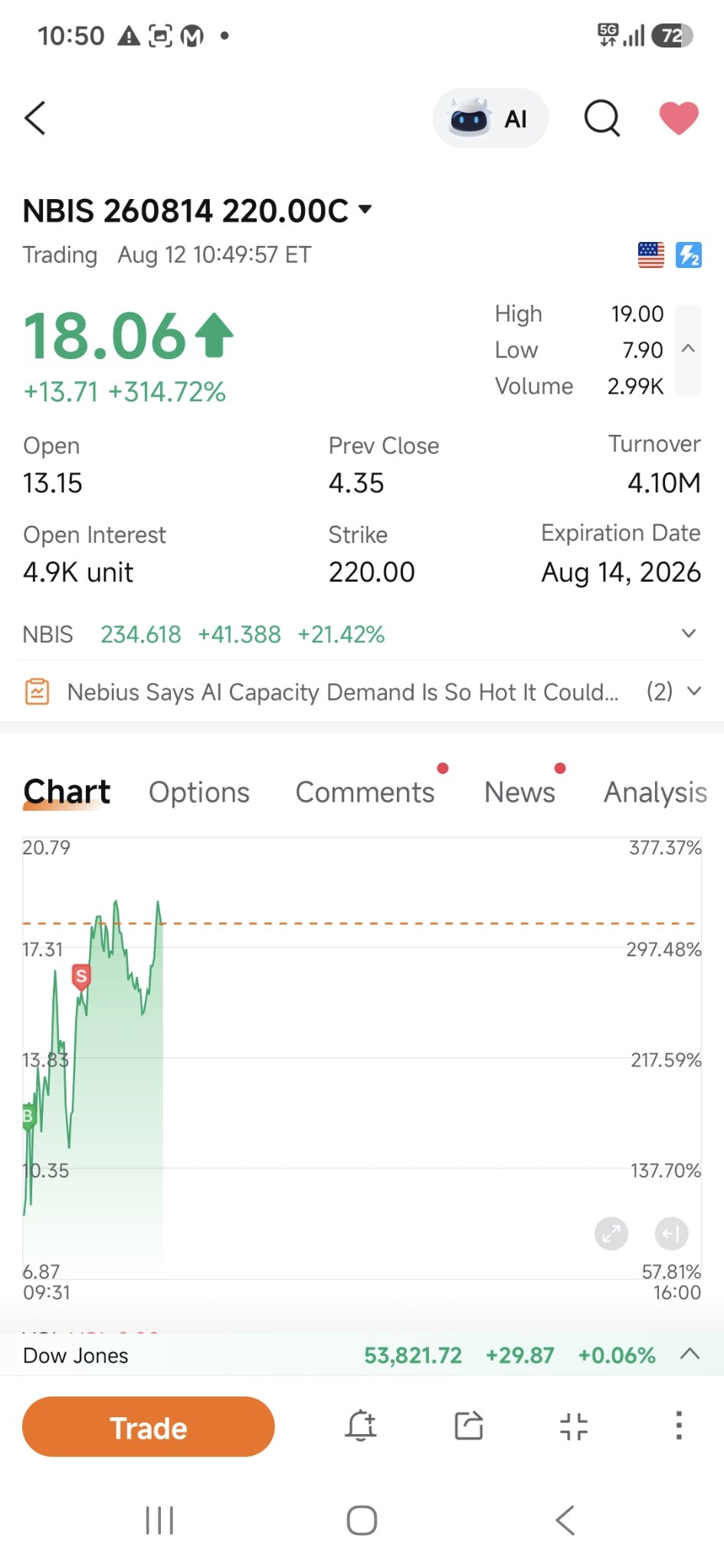
Lessons from a Trading Experience: One is Enough Moomoo
Mortgage and refinance interest rates today, Wednesday, August 12, 2026: Fixed rates move higher...

Netizen tidak senang dengan komentar-komentar yang diberikan

BTS mungkin kembali mengikuti Grammy setelah rekanan mereka, Recording Academy, mengumumkan revisi...
BTS mungkin tidak akan mengubah keputusan untuk mengabaikan Grammy karena deadline pengiriman musik...
Update terbaru tentang keputusan BTS untuk tidak mengirimkan musik mereka untuk dijadikan nominee...
Pihak Recording Academy mengumumkan akan kembali meninju keputusan untuk memperkenalkan kategori...

Sangyeop Sangyeop mengumumkan rencananya untuk menikah dengan seorang non-celebrity, mengejutkan...