


Tereza Valentova Outlasts Elina Svitolina in an Uplifting Thriller at Cincinnati
Elina Svitolina vs Tereza Valentova · Round 2 · Cincinnati Tennis.com - A nail-biting encounter...

The FIFA World Cup, one of the most prestigious international soccer tournaments, has once again found itself at the center of controversy. This time, it involves a letter sent by FIFA president Gianni Infantino to the Argentine Football Association, congratulating them on their performance in the 2026 World Cup. The letter, which was leaked by Argentine media, has sparked intense debate, particularly given the context of Argentina's behavior during the tournament. As the world's most popular sport, soccer is no stranger to controversy, but the situation surrounding Argentina's conduct has raised serious questions about discipline and sportsmanship. The letter's emergence has also highlighted the challenges faced by FIFA in maintaining order and adherence to the rules among its member nations.
FIFA president Gianni Infantino has come under scrutiny for his decision to send the letter, especially considering the ongoing investigation into the post-match melee involving Argentina players and staff after their defeat to Spain in the final. The incident, which involved several high-profile players, including Leonardo Paredes, who was accused of attacking Spain defender Eric Garcia, has been widely condemned. The fact that Infantino's letter praises Argentina's contribution to an "unforgettable celebration of football" and commends their professionalism has attracted particular attention, given the events that transpired. The situation has raised questions about the consistency of FIFA's disciplinary actions and whether the organization is adequately addressing issues of misconduct. Furthermore, the incident has sparked a broader discussion about the need for greater accountability and respect for the rules among players, coaches, and teams.
The World Cup, which is held every four years, brings together nations from around the globe in a celebration of soccer, but it also serves as a platform for countries to showcase their talent, culture, and values. However, the tournament is not immune to controversy, and the 2026 World Cup has been no exception. From on-field incidents to off-field drama, the tournament has seen its fair share of contentious moments. The final between Argentina and Spain was no exception, with the match itself being marked by controversy, including an incident involving Lionel Messi and Spain full-back Marc Cucurella. The aftermath of the match, which saw Argentina players turn their backs as Spain lifted the trophy, has been widely criticized, and FIFA has launched an investigation into the matter. The incident has also highlighted the need for greater respect and sportsmanship among players, particularly in high-pressure situations.
The leak of Infantino's letter has added fuel to the fire, with many questioning the timing and content of the message. Infantino's praise of Argentina's professionalism has been seen as tone-deaf, given the team's behavior during the tournament. The letter, which also congratulated the players, head coach Lionel Scaloni, and the coaching and medical staff, has been viewed as an attempt to downplay the severity of the incidents. However, the situation has also sparked a debate about the role of FIFA in promoting fair play and respect among its member nations. As the governing body of international soccer, FIFA has a responsibility to uphold the values of the sport, including sportsmanship, respect, and fair play. The organization's response to the controversy surrounding Argentina's behavior will be closely watched, and it remains to be seen how FIFA will address the issue in the coming weeks and months.
The implications of the controversy extend beyond the tournament itself, with potential consequences for Argentina's reputation and future participation in international competitions. The incident has also raised questions about the effectiveness of FIFA's disciplinary procedures and the need for more stringent measures to address misconduct. As the world of soccer continues to evolve, it is essential that the sport's governing bodies prioritize fairness, respect, and sportsmanship. The controversy surrounding Argentina's behavior has highlighted the need for greater accountability and consistency in the application of disciplinary actions. Furthermore, the incident has sparked a broader discussion about the role of soccer in promoting social values and the need for greater emphasis on respect, empathy, and fair play among players, coaches, and fans.
In the aftermath of the controversy, FIFA has yet to announce the outcome of its disciplinary investigation, leaving many to wonder what sanctions, if any, will be imposed on those involved. The situation has also sparked a debate about the need for greater transparency and accountability within FIFA, particularly when it comes to disciplinary matters. As the world's most popular sport, soccer has a unique ability to bring people together, but it also has a responsibility to uphold the highest standards of conduct and sportsmanship. The controversy surrounding Argentina's behavior has highlighted the challenges faced by FIFA in maintaining order and adherence to the rules among its member nations. However, it has also sparked a broader discussion about the need for greater respect, empathy, and fair play among players, coaches, and fans, and the role that soccer can play in promoting social values and positive change.
The 2026 World Cup has been a tournament marked by controversy, drama, and excitement, but it has also served as a reminder of the power of soccer to unite and inspire people around the world. As the sport continues to evolve, it is essential that its governing bodies prioritize fairness, respect, and sportsmanship, and that players, coaches, and teams adhere to the highest standards of conduct. The controversy surrounding Argentina's behavior has highlighted the need for greater accountability and consistency in the application of disciplinary actions, but it has also sparked a broader discussion about the role of soccer in promoting social values and the need for greater emphasis on respect, empathy, and fair play among players, coaches, and fans. As the world of soccer looks to the future, it is clear that the sport has the power to inspire and unite people, but it also has a responsibility to uphold the highest standards of conduct and sportsmanship.
In conclusion, the controversy surrounding Argentina's behavior during the 2026 World Cup has highlighted the challenges faced by FIFA in maintaining order and adherence to the rules among its member nations. However, it has also sparked a broader discussion about the need for greater respect, empathy, and fair play among players, coaches, and fans, and the role that soccer can play in promoting social values and positive change. As the world's most popular sport, soccer has a unique ability to bring people together, but it also has a responsibility to uphold the highest standards of conduct and sportsmanship. The situation has also raised questions about the effectiveness of FIFA's disciplinary procedures and the need for more stringent measures to address misconduct. As the world of soccer continues to evolve, it is essential that the sport's governing bodies prioritize fairness, respect, and sportsmanship, and that players, coaches, and teams adhere to the highest standards of conduct.
A letter from FIFA president Gianni Infantino to Argentina has been leaked, sparking debate over the organization's stance on the team's behavior during the World Cup.
Elina Svitolina vs Tereza Valentova · Round 2 · Cincinnati Tennis.com - A nail-biting encounter...
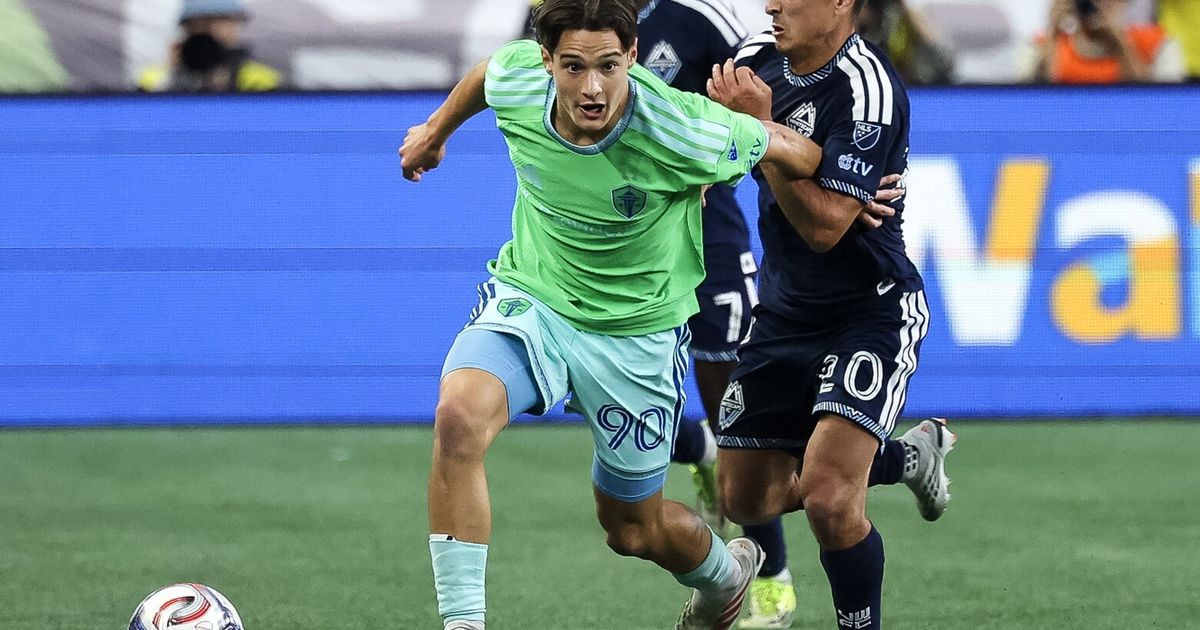
The Seattle Sounders take on the Vancouver Whitecaps in an electrifying match, with the two teams...

Ally Sentnor's 1st Angel City FC goal salvages draw with Washington ocregister.com

Watch the live action of Tijuana vs. Cruz Azul, all the latest news, analysis, and match scores...

The highly anticipated match between Lorenzo Sonego and Frances Tiafoe is set to take place in the...
.jpg?w=1120&h=630)
Dallas Cowboys' Next Move: Exploring Adoree' Jackson's Potential Signing After Von Miller's...

Netizen tidak senang dengan komentar-komentar yang diberikan

BTS mungkin kembali mengikuti Grammy setelah rekanan mereka, Recording Academy, mengumumkan revisi...
BTS mungkin tidak akan mengubah keputusan untuk mengabaikan Grammy karena deadline pengiriman musik...
Update terbaru tentang keputusan BTS untuk tidak mengirimkan musik mereka untuk dijadikan nominee...
Pihak Recording Academy mengumumkan akan kembali meninju keputusan untuk memperkenalkan kategori...

Sangyeop Sangyeop mengumumkan rencananya untuk menikah dengan seorang non-celebrity, mengejutkan...