




Hawaiian Electric's Commitment to Restoring Power Throughout the State: A Comprehensive Update
Hawaiian Electric continues to prioritize statewide power restoration efforts in the aftermath of...

When heavy rainfall hits, it can lead to devastating flash flooding or regular flooding. But what's the difference between these two types of flood warnings? And how can you protect yourself and your loved ones during a flood event? In this article, we'll dive into the details of flash flood and flood warnings, and provide you with essential information on how to stay safe.
Flooding is a serious and potentially life-threatening hazard, particularly during heavy rainfall events. According to the National Weather Service, flooding is the leading cause of weather-related deaths in the United States, accounting for nearly half of all flood-related fatalities. In this article, we'll explore the background of flood warnings, key facts to keep in mind, and provide a comprehensive analysis of the differences between flash flood and flood warnings.
Floods are caused by the rapid rise of water in rivers, creeks, and other waterways due to intense rainfall over a small area. Flash flooding usually happens within minutes to several hours after a heavy rainfall event. A Flash Flood Watch is issued when conditions are favorable for flash flooding, indicating that flash flooding is possible but not imminent. On the other hand, a Flash Flood Warning is issued when flash flooding is imminent or occurring, and immediate action is required to protect life and property.
Similarly, a Flood Watch is issued when conditions are favorable for flooding, but it does not necessarily mean that flooding will occur. A Flood Warning is issued when flooding is imminent or occurring, and action is required to protect life and property. Understanding the difference between these warnings is crucial to staying safe during a flood event.
So, what can you do to stay safe during a flood event? The main thing to remember is to stay informed and be prepared. Pay attention to flood warnings and updates issued by the National Weather Service or local authorities. If a Flash Flood Warning or Flood Warning is issued for your area, take immediate action and move to higher ground or a safe place. Do not try to drive through flooded areas or walk through fast-moving water, as it can be life-threatening.
Additionally, it's essential to take steps to protect your home and property from flooding. You can do this by installing flood-resistant materials, raising your home's foundation, and securing any outdoor furniture or equipment that could become airborne and damage your house. You can also purchase flood insurance to safeguard your home and belongings against flood damage.
Looking forward, it's crucial to acknowledge the increasing frequency and severity of floods due to climate change. According to a recent study, global flood events have increased by 10% over the past decade, and this trend is expected to continue. As such, it's vital to develop effective flood mitigation and adaptation strategies to protect communities and infrastructure from the impacts of flooding.
In conclusion, understanding the difference between flash flood and flood warnings is crucial to staying safe during a flood event. Remember to stay informed, be prepared, and take steps to protect your home and property from flooding. By working together, we can reduce the risks associated with flooding and save lives.
Flash Flood vs. Flood Warning: Understanding the Difference - Learn about the key differences between flash flood and flood warnings, and how to stay safe during heavy rainfall events.
Hawaiian Electric continues to prioritize statewide power restoration efforts in the aftermath of...

Hawaiian Electric has issued a comprehensive update on the status of power restoration across the...

Hawaiian Electric crews have successfully restored power to nearly 180,000 customers, marking a...
Stay informed about Tropical Storm Lala's impact on Hawaii, with updates on warnings, advisories,...
Rain Suspends Shelton-Faria ATP Tour Match
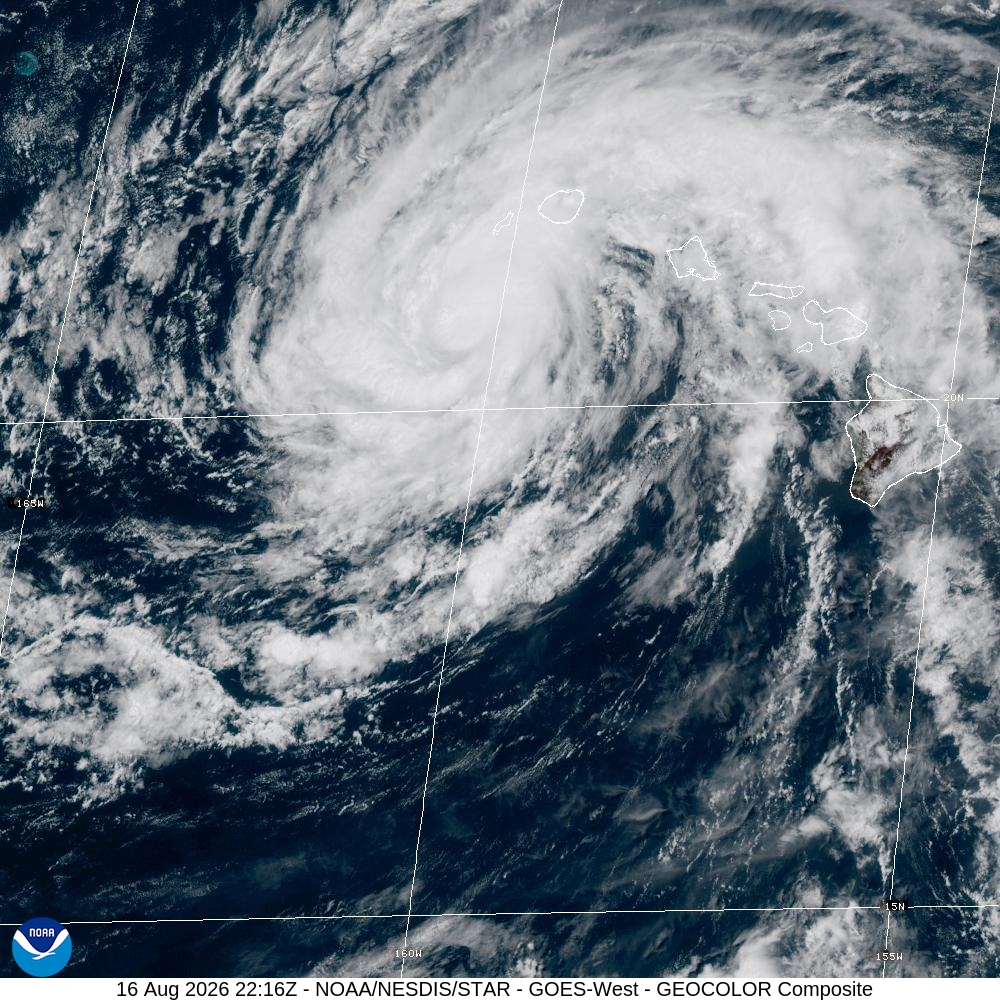
Tropical Storm Lala brought unprecedented rainfall and snowfall to Hawaii, raising questions about...

Netizen tidak senang dengan komentar-komentar yang diberikan

BTS mungkin kembali mengikuti Grammy setelah rekanan mereka, Recording Academy, mengumumkan revisi...
BTS mungkin tidak akan mengubah keputusan untuk mengabaikan Grammy karena deadline pengiriman musik...
Update terbaru tentang keputusan BTS untuk tidak mengirimkan musik mereka untuk dijadikan nominee...
Pihak Recording Academy mengumumkan akan kembali meninju keputusan untuk memperkenalkan kategori...

Sangyeop Sangyeop mengumumkan rencananya untuk menikah dengan seorang non-celebrity, mengejutkan...