



Israel's National Security Chief Advocates Mass Killing in Gaza
Israel's National Security Chief Advocates Mass Killing in Gaza: A Devastating Policy Proposal
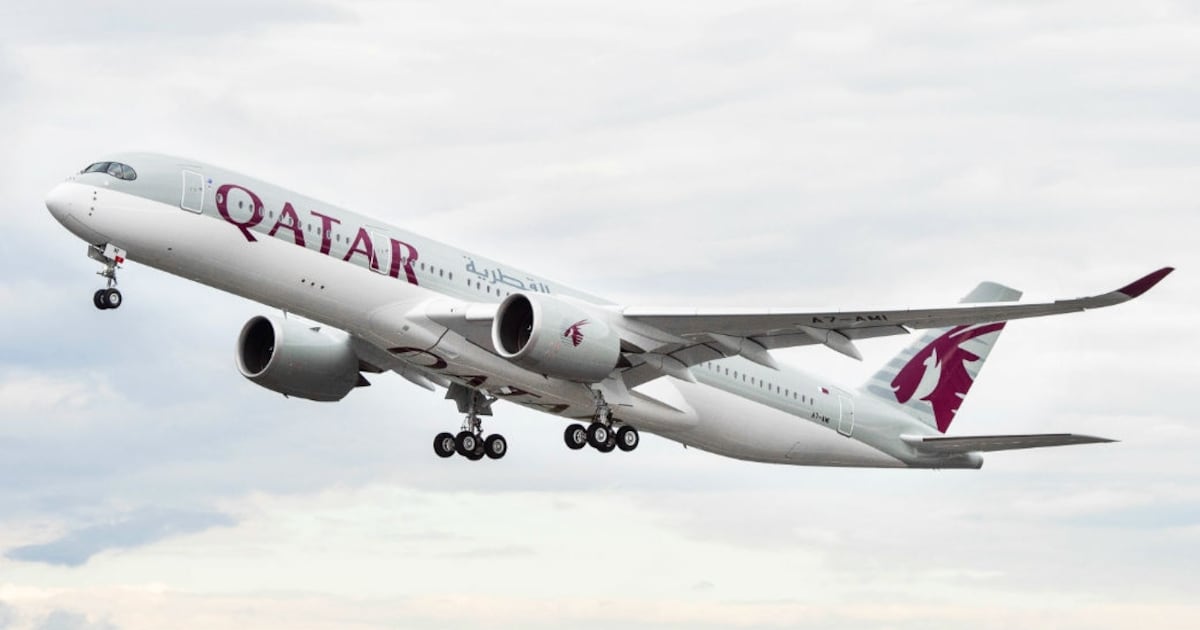
Etihad Airways and Qatar Airways are set to resume services to Bahrain and Kuwait after weeks of suspension caused by regional tensions. This decision comes as a relief to passengers and airlines alike, as air travel has been severely impacted by the crisis. Notably, Etihad had previously operated multiple daily flights from Abu Dhabi's Zayed International Airport before suspending operations. The airline has now listed one daily service each to Bahrain and Kuwait from August 8, while Qatar Airways will also resume daily services to Bahrain, Kuwait, and Erbil from the same date. Both airlines have continued to operate to ensure that passengers can still travel between Doha and the UAE.
According to Etihad, Flight EY653 to Kuwait is scheduled to depart Abu Dhabi at 8.25am, while EY643 to Bahrain is due to leave at 3.40pm. Passengers can now look forward to resuming their travels, taking advantage of the improved services offered. It's worth noting that fellow UAE carriers, flydubai and Air Arabia, also operate services to Bahrain and Kuwait, with some flights subject to cancellation. Additionally, Kuwait Airways and Jazeera Airways continue to operate multiple daily services to Dubai and Abu Dhabi from Kuwait, while Bahrain's Gulf Air maintains flights to both UAE cities.
The disruption is not limited to UAE airlines, as other international carriers have also adjusted their schedules. British Airways has postponed the resumption of flights to Dubai, Bahrain, and Amman until October 25, while continuing to operate a reduced schedule to Doha and Riyadh. KLM has suspended services to Dubai, Riyadh, and Dammam until August 23 as it continues to avoid flying through the airspace of Iran, Iraq, Israel, and parts of the Arabian Gulf. Moreover, Lufthansa Group airlines, including Lufthansa and Swiss, have also adjusted schedules to several Middle East destinations in recent weeks, while Air France has temporarily suspended flights to Saudi Arabia.
Airlines have cited security concerns, airspace restrictions, and operational uncertainty as reasons for their decisions. These challenges have been amplified by the ongoing US-Iran tensions, which have made air travel increasingly complicated. This is evidenced by the US and Iran continuing to exchange threats after months of attacks, resulting in international carriers adapting their schedules accordingly. It's not until tensions subside that airlines are confident enough to reassess their flight schedules.
The UAE's aviation industry has been severely impacted by the recent developments. With Emirates services between Dubai and Bahrain and Kuwait remaining suspended until August 6, passengers have been advised to check with their airlines for the latest information. As airlines continue to navigate this complex environment, consumers will need to be patient and understand that flexibility is often key. It is essential for both passengers and airlines to stay informed about any developments that may impact their travel plans.
The decision by Emirates to maintain the suspension highlights the ongoing uncertainty that surrounds travel in the region. Although the carrier has not provided a clear date for the resumption of these services, it is expected that Emirates will return to normal operations once regional tensions dissipate. In the meantime, passengers will have to plan around the reduced schedules of other airlines and consider alternative routes or modes of transportation. As the situation evolves, it is crucial for airlines to maintain open communication with their passengers to ensure that they remain up to date with any changes to flight schedules.
The long-term implications of these developments are far-reaching. It remains to be seen how the ongoing tensions between the US and Iran will impact the region's aviation industry. In the short term, airlines may need to continue adjusting their schedules to accommodate changing security situations. This may lead to increased costs for passengers, who will need to consider the financial implications of flight disruptions or cancellations. However, when flights resume, it is crucial that passengers and airlines are prepared for any potential disruptions that may arise.
Etihad and Qatar Airways Resume Flights to Bahrain and Kuwait after Regional Tensions subsided thenationalnews.com


Israel's National Security Chief Advocates Mass Killing in Gaza: A Devastating Policy Proposal
Disney's EPCOT Imagination Pavilion is getting a major refresh, bringing back the iconic character...
Tall Ship Elissa's historic voyage to New York for America's 250th anniversary festivities has come...

Experience the authentic flavors of Barcelona like a local with our insider's guide to the city's...
A Guide to Dining and Nightlife in Barcelona Like a True Catalonian
The Secret Flight of Trump: What Passengers Saw and Heard When the President Made a Surprise Exit....

Netizen tidak senang dengan komentar-komentar yang diberikan

BTS mungkin kembali mengikuti Grammy setelah rekanan mereka, Recording Academy, mengumumkan revisi...
BTS mungkin tidak akan mengubah keputusan untuk mengabaikan Grammy karena deadline pengiriman musik...
Update terbaru tentang keputusan BTS untuk tidak mengirimkan musik mereka untuk dijadikan nominee...
Pihak Recording Academy mengumumkan akan kembali meninju keputusan untuk memperkenalkan kategori...

Sangyeop Sangyeop mengumumkan rencananya untuk menikah dengan seorang non-celebrity, mengejutkan...