


Renewed Optimism for California Birdwatchers Following the Disappearance of a Beloved Eagle
A recently missing eagle in California has sparked both concern and newfound hope among local...

Fired '60 Minutes' correspondent Cecilia Vega has come forward with allegations that CBS News management attempted to inject misinformation and political talking points into her reporting. Her claims shed light on the tumultuous changes underway at the storied newsmagazine, sparking concerns about the integrity of journalism and the role of politics in reporting.
Vega broke her silence during an appearance at the National Association of Hispanic Journalists Conference & Expo in New Orleans, where she revealed the 'stitches' from her May firing were still 'fresh.' The experienced journalist confessed that she was 'scared' to speak out but felt compelled to share her story, emphasizing that there was 'a lot at stake.' Her courage in sharing her experience drew loud and sustained applause from the audience.
Vega described three episodes where CBS News management pushed changes that she believed were rooted in politics or false information. While she did not directly point to Bari Weiss as the individual behind the requests, Vega said the culture shifted when new executives began attending screenings and offering feedback on '60 Minutes' pieces. This change marked a significant departure from the newsmagazine's historical operating model, where it had functioned as an 'island' protected by a 'moat' from direct intervention by broader CBS News operations.
The first dispute involved a report produced after the fatal shootings of Rene Good and Alex Pretti in Minnesota. Vega's team was encouraged to include footage showing protesters violently attacking people believed to be Immigration and Customs Enforcement agents working in plain clothes. However, they were unable to find any credible examples of such attacks at the time.
Vega also spoke about management's push to include a purported exchange from a Minneapolis press conference, where Mayor Jacob Frey allegedly said he wanted local police to fight federal ICE agents in the streets to stop immigration enforcement. The team reviewed the entire press conference and found no evidence that the exchange ever occurred, with Frey's police chief reportedly rolling his eyes at the suggestion. Vega characterized the claim as 'misinformation' and noted that her team deliberately decided to tell the story through the voices of residents, avoiding interviews with politicians and outside experts.
The second dispute arose over a report about President Trump's war with Iran roughly three weeks into the conflict. Vega was instructed to open the piece with the line: 'Who is winning the war? Iran is totally outgunned by the United States and Israel.' She referred to this wording as an 'administration talking point' used by the White House to argue that the US was prevailing. Vega's team had deliberately chosen to avoid using this language, opting for a more nuanced and balanced approach.
The third dispute involved a report about cuts to Supplemental Nutrition Assistance Program (SNAP) benefits and poverty in West Virginia. Management questioned why the report did not include Vice President JD Vance or an expert who could discuss his memoir, 'Hillbilly Elegy.' Vega pointed out that the book had been published about a decade earlier and focused on Vance's upbringing in Ohio, not West Virginia. Despite these disputed suggestions, none of the proposed changes made it into the finished broadcasts.
Vega emphasized that her final months at '60 Minutes' were distinct from her earlier experiences as a journalist. 'Never in my career until now have I felt that those edits, those suggestions, came from a place of misinformation or politics,' she said. 'That's the difference.' CBS News has declined to comment on Vega's allegations, while the network has previously maintained that her claims were 'not based in reality' and denied inserting political bias into its reporting.
Vega's claims have sparked a wider conversation about the role of politics in journalism and the impact of changing leadership on newsrooms. As the media landscape continues to evolve, it is essential to maintain the integrity and credibility of journalism, ensuring that reporting remains truthful and unbiased.
Cecilia Vega, the first Latina correspondent on '60 Minutes,' shares her experience with CBS bosses pushing misinformation into her reporting, marking a significant shift in the storied newsmagazine's direction.
A recently missing eagle in California has sparked both concern and newfound hope among local...

Julie Andrews confirms her retirement from on-screen acting in a new interview, leaving fans...
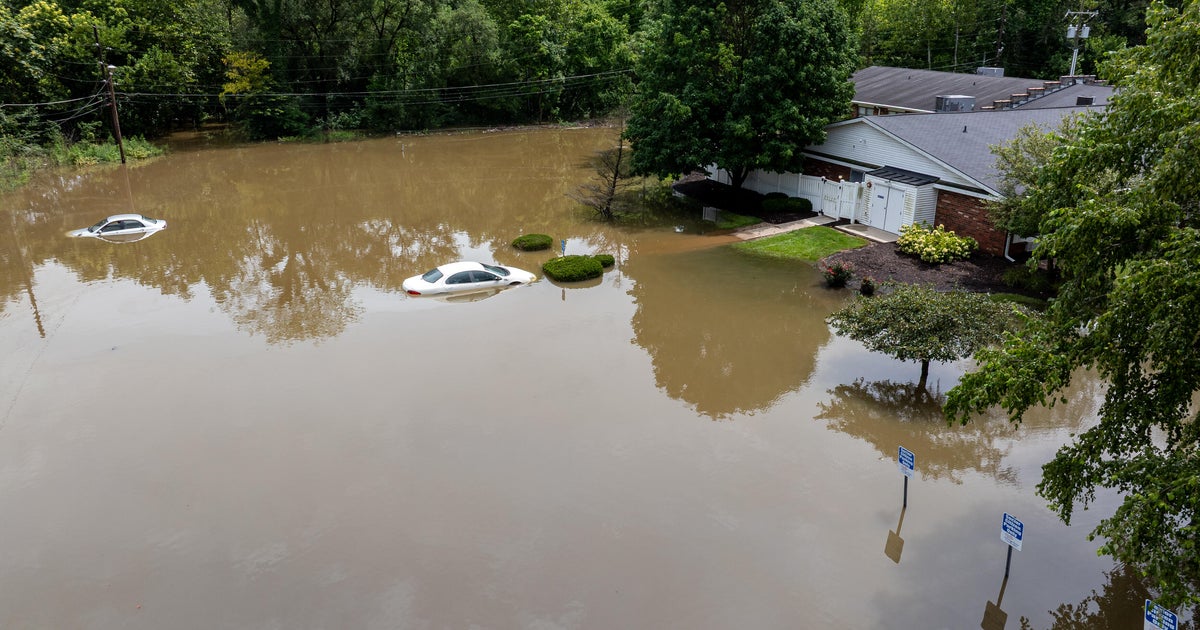
Lives Lost in the Indiana Storms: Historic Flooding Devastates Central Indiana – CBS News
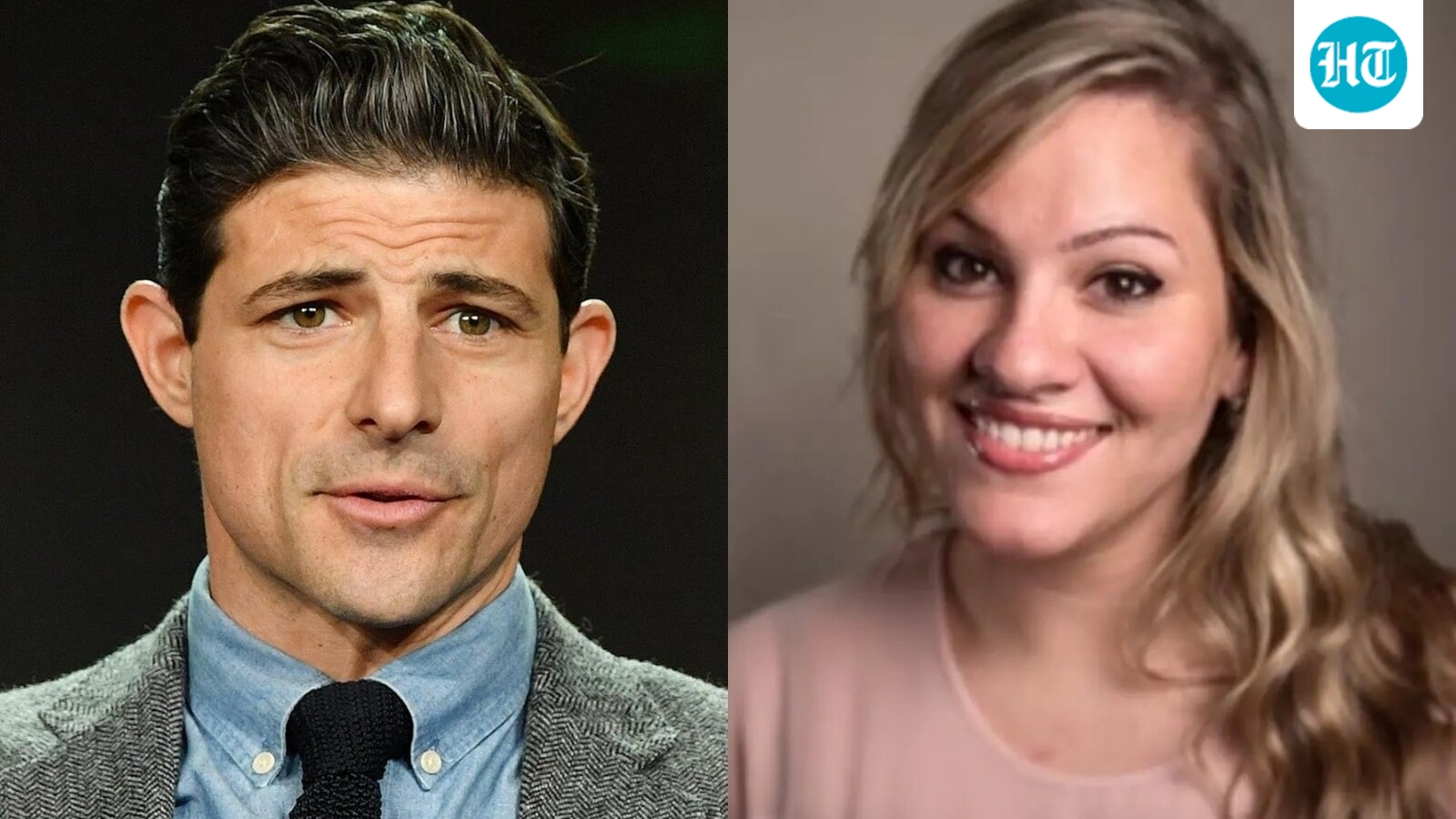
Delving into the life and career of Samira Said, a former ABC News journalist who has accused CBS...
Detailed Analysis of CBS News Correspondent Matt Gutman Accused Of Sexual Harassment
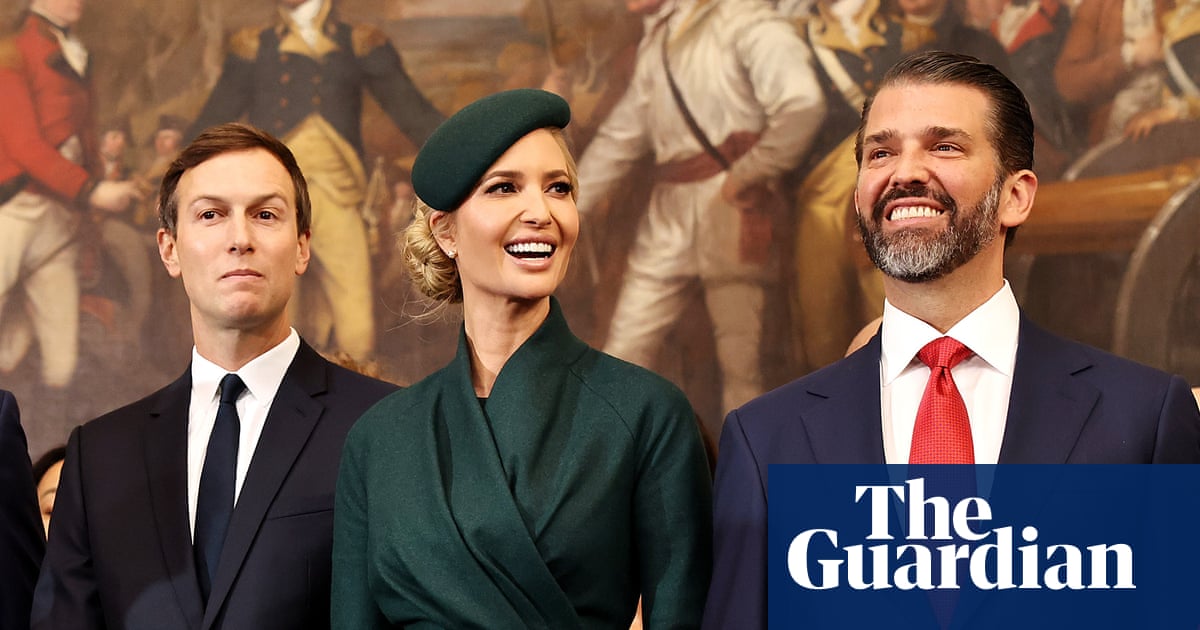
BBC seeks to subpoena Trump children and son-in-law over defamation lawsuit, a move that marks a...

Netizen tidak senang dengan komentar-komentar yang diberikan

BTS mungkin kembali mengikuti Grammy setelah rekanan mereka, Recording Academy, mengumumkan revisi...
BTS mungkin tidak akan mengubah keputusan untuk mengabaikan Grammy karena deadline pengiriman musik...
Update terbaru tentang keputusan BTS untuk tidak mengirimkan musik mereka untuk dijadikan nominee...
Pihak Recording Academy mengumumkan akan kembali meninju keputusan untuk memperkenalkan kategori...

Sangyeop Sangyeop mengumumkan rencananya untuk menikah dengan seorang non-celebrity, mengejutkan...