


Von Miller Signs with Dallas Cowboys for a Record 16th NFL Season: A New Chapter for the Star Pass Rusher
Dallas Cowboys Sign Von Miller: The Legendary Defensive End Embarks on a New Journey with the...

The removal of Daniel Ogama Adongo, a former NFL player from Kenya, by the U.S. Immigration and Customs Enforcement (ICE) agents in Chicago, marks a significant step in the enforcement of immigration laws. Adongo, who played as a linebacker for the Indianapolis Colts until 2015, had overstayed his visa in 2016 and accumulated a criminal record, including a conviction for criminal mischief with damage in 2020. This conviction led to a sentence of one year in jail. The ICE's action is in line with the Laken Riley act, signed by President Donald Trump, which mandates the detention without bond of individuals in the country illegally who have been convicted of certain crimes. The enforcement of such laws is crucial for maintaining public safety and upholding the integrity of the immigration system. The case of Adongo also underscores the complexities and challenges faced by immigration authorities in dealing with individuals who have committed crimes while in the United States.
Adongo's journey to the United States began when he was recruited as a rugby player. He played two seasons with the Colts from 2013 until 2015. However, his stay in the country took a turn when he overstayed his visa and became involved in criminal activities. His criminal record includes felony intimidation, battery, and disorderly conduct, according to officials. The decision to remove him was made by a Department of Justice immigration judge in March, with the order being carried out on June 20. This action demonstrates the collaborative efforts between different law enforcement agencies to address the issue of illegal immigration and crime. The statement by ICE Chicago Assistant Field Office Director Douglas Thompson, highlighting that Adongo posed a threat to the community and that his removal makes the community safer, emphasizes the importance of these enforcement actions.
The case of Daniel Adongo is not an isolated incident but rather part of a broader context of immigration enforcement. ICE has been active in identifying and deporting individuals who are in the country illegally, especially those with criminal records. The agency's efforts are guided by the principle that those who violate immigration laws, regardless of their background or profession, must be held accountable. This approach is reflective of a zero-tolerance policy towards illegal immigration and crime, aiming to deter others from committing similar violations. The removal of Adongo and others like him sends a clear message about the consequences of overstaying a visa and engaging in criminal activities while in the United States. It also highlights the coordination and determination of law enforcement agencies in tackling these issues.
Looking forward, the implications of Adongo's removal and similar cases are significant. They reflect a systemic approach to dealing with immigration violations and crime, emphasizing the need for compliance with immigration laws. The enforcement actions by ICE serve as a reminder to individuals who are in the United States on a visa to adhere to the terms of their visa and to those who are considering violating immigration laws that there are consequences. Furthermore, these actions contribute to a safer community by removing individuals who pose a risk to public safety. The ongoing efforts by ICE and other law enforcement agencies will continue to play a critical role in managing the complex issues surrounding immigration and crime, aiming to strike a balance between enforcing the law and respecting the rights of individuals.
In the context of immigration policy, the case of Daniel Adongo brings to the forefront the debates surrounding sanctuary cities and the cooperation between local law enforcement and federal immigration authorities. The criticism by former acting ICE director Tom Homan of sanctuary city policies, which he believes hinder federal law enforcement and endanger public safety, is particularly relevant. The tension between these policies and federal immigration enforcement goals underscores the challenges in creating a cohesive and effective immigration strategy. The removal of Adongo, despite the complexities of his case, demonstrates the commitment of ICE to its mission of enforcing immigration laws and protecting national security and public safety. This commitment is unwavering, even in the face of challenges posed by different legal and policy frameworks at the local and federal levels.
The future outlook for immigration enforcement, as evident from the case of Daniel Adongo and others, indicates a continued focus on identifying and removing individuals who are in the country illegally, especially those with criminal records. The use of laws like the Laken Riley act and the collaboration between different agencies will remain crucial in these efforts. The message from ICE that if you come to the country illegally, you will be found, arrested, and deported, is clear and direct. This approach not only aims to deter illegal immigration but also to ensure that those who do enter the country illegally and commit crimes are held accountable. As the immigration landscape continues to evolve, the enforcement actions by ICE will play a pivotal role in shaping the discussion around immigration policy and public safety. The agency's work will remain critical in addressing the complex challenges associated with illegal immigration and in upholding the rule of law.
Finally, the removal of Daniel Ogama Adongo by ICE serves as a reminder of the multifaceted nature of immigration issues. It highlights the need for a comprehensive approach that addresses the root causes of illegal immigration, supports legal immigration pathways, and ensures public safety. The case also underscores the importance of coordination between law enforcement agencies and the judiciary in enforcing immigration laws. As the United States continues to navigate the complexities of immigration, cases like that of Adongo will remain significant, providing insights into the challenges and the responses of law enforcement and immigration authorities. The enforcement of immigration laws, while sometimes controversial, is essential for maintaining the integrity of the immigration system and ensuring that the country remains a safe and welcoming place for all who come to it legally.
The U.S. Immigration and Customs Enforcement agency has removed former NFL player Daniel Ogama Adongo due to his visa overstay and criminal record, highlighting the ongoing efforts to enforce immigration laws and ensure public safety.
Dallas Cowboys Sign Von Miller: The Legendary Defensive End Embarks on a New Journey with the...

A Defensive Powerhouse: Cowboys Land Von Miller in a Major Boost to their Pass Rush FOX Sports
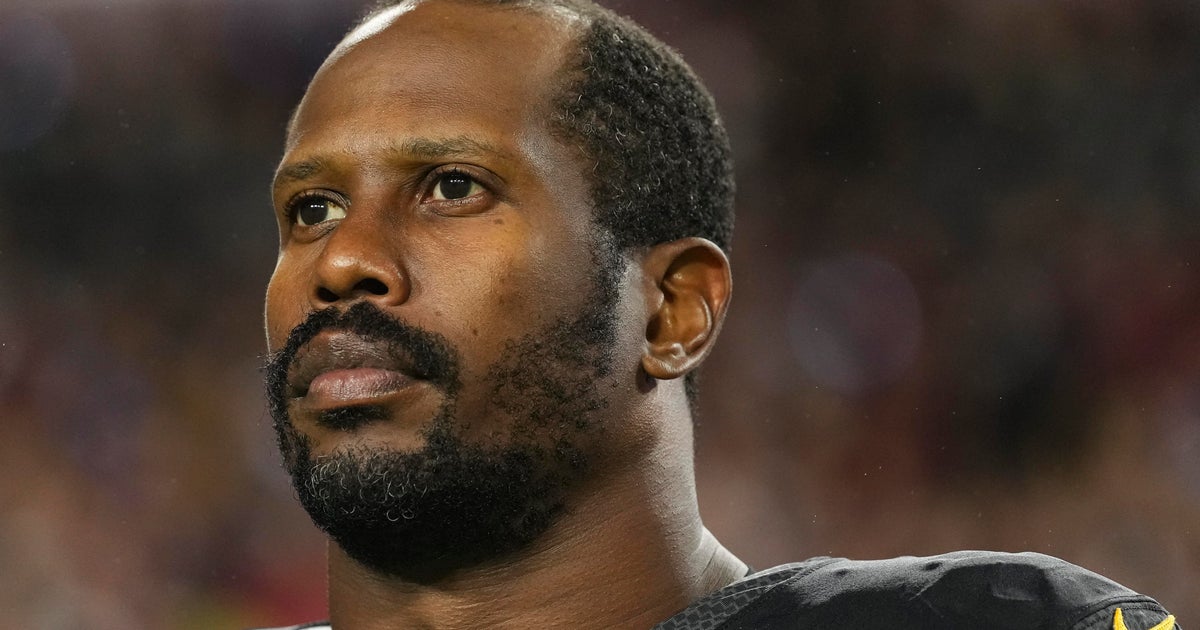
The highly anticipated move of Von Miller to the Dallas Cowboys has been making headlines, with...

Breaking News: Von Miller expected to join Cowboys - get the latest updates on the star...
Fire crews battle a massive brush fire in San Diego that has left a trail of destruction and...

Learn how to check if your car has been searched by Flock cameras and understand the implications...

Netizen tidak senang dengan komentar-komentar yang diberikan

BTS mungkin kembali mengikuti Grammy setelah rekanan mereka, Recording Academy, mengumumkan revisi...
BTS mungkin tidak akan mengubah keputusan untuk mengabaikan Grammy karena deadline pengiriman musik...
Update terbaru tentang keputusan BTS untuk tidak mengirimkan musik mereka untuk dijadikan nominee...
Pihak Recording Academy mengumumkan akan kembali meninju keputusan untuk memperkenalkan kategori...

Sangyeop Sangyeop mengumumkan rencananya untuk menikah dengan seorang non-celebrity, mengejutkan...