



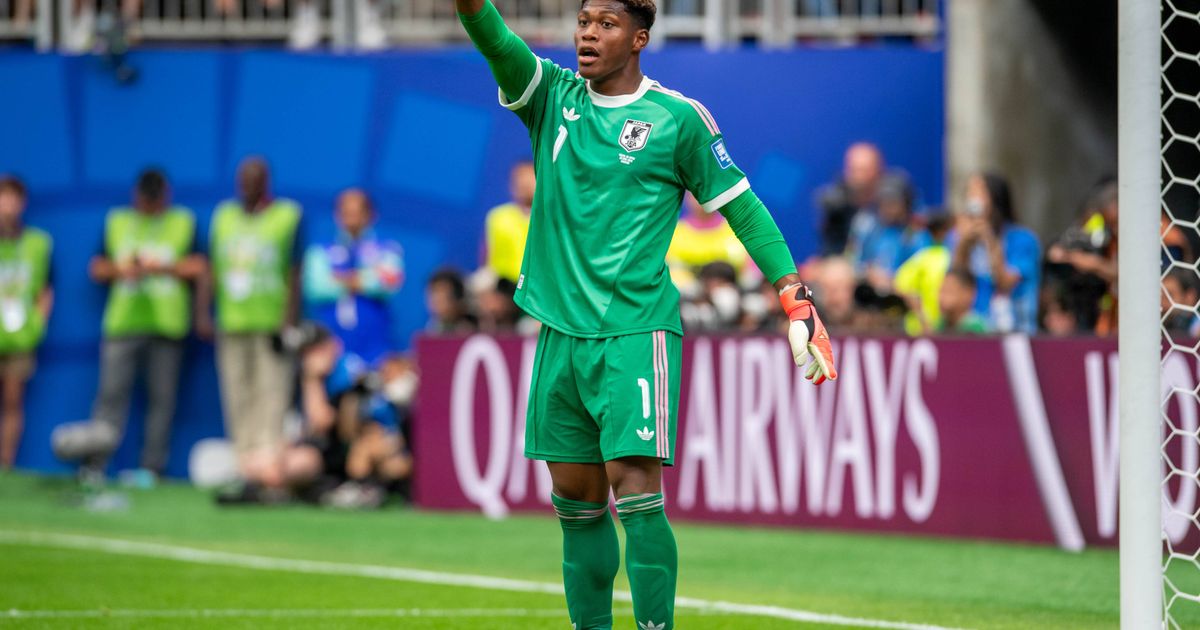
Aston Villa's Suzuki Swoop: A Blow to PSG's Pride
Aston Villa's Suzuki signing marks a significant coup, dealing a blow to PSG's ambitious plans

The recent confirmation of the first Ebola case in France has raised concerns about the spread of the virus, particularly in a region that is already grappling with humanitarian and security crises. The patient, a doctor who recently returned from a humanitarian mission in the Democratic Republic of Congo (DRC), was rushed to a leading healthcare facility in France, where they are receiving treatment under strict biosafety protocols.
The French Health Ministry has taken swift action to contain the outbreak, implementing strict measures to prevent the spread of the virus. This includes isolating the patient, contact-tracing individuals who may have been in contact with them, and providing them with treatment under secure conditions to prevent any risk of contamination. An epidemiological investigation is underway to identify individuals who may have been exposed to the virus, who will be contacted by health authorities to self-isolate for 21 days.
Fortunately, the risk of the virus spreading in France appears to be low, according to the World Health Organization (WHO) Director-General Tedros Adhanom Ghebreyesus. 'The risk to the rest of the world is low; whether it's France or other countries in Europe, they shouldn't overreact,' he emphasized during a recent news conference. In the past 50 years, fewer than 30 Ebola cases had been detected outside Africa, highlighting the rarity of the virus.
However, the ongoing Ebola outbreak in the DRC remains a pressing concern, with the WHO warning that the current situation could be the worst ever. The virus has killed 277 people and infected over 1,000 since May, with cases also reported in neighboring Uganda. The outbreak continues to outpace response efforts, with contact-tracing being inadequate, treatment capacity insufficient, and safe burials remaining a major challenge.
The DRC's health system has been under immense pressure, with health workers facing security risks and limited resources. 'We're in a region where around one million people live in camps, as internally displaced people, and these people don't have access to even basic services,' Jean Kaseya, the head of Africa's Centres for Disease Control and Prevention, pointed out. The ongoing humanitarian and security crisis near the epicenter of the outbreak has hindered response efforts, with reports of health workers being threatened and infected.
Health workers have observed improvements in the situation, with more communities coming to treatment centers and fewer deaths reported. However, much work remains to be done to contain the outbreak, including the development of a vaccine against the Bundibugyo strain of the virus, which is responsible for the current outbreak. UNICEF and Gavi, the Vaccine Alliance, have announced plans to seek information from vaccine developers and manufacturers on plans to develop a vaccine against the Bundibugyo strain.
The Ebola outbreak in the DRC highlights the need for a swift and coordinated response to contain the virus. Without immediate action, the outbreak could cost billions of dollars in economic losses and human lives. It is essential that governments, health organizations, and other stakeholders work together to provide support to the affected region and develop effective strategies to contain the virus.
The situation in the DRC serves as a stark reminder of the importance of investing in global health security and addressing the root causes of humanitarian crises. As the world grapples with the Ebola outbreak, it is essential that we learn from past experiences and prioritize the development of effective vaccines, treatments, and response strategies to prevent future outbreaks.
France confirms first Ebola case in doctor returning from Democratic Republic of Congo
Aston Villa's Suzuki signing marks a significant coup, dealing a blow to PSG's ambitious plans
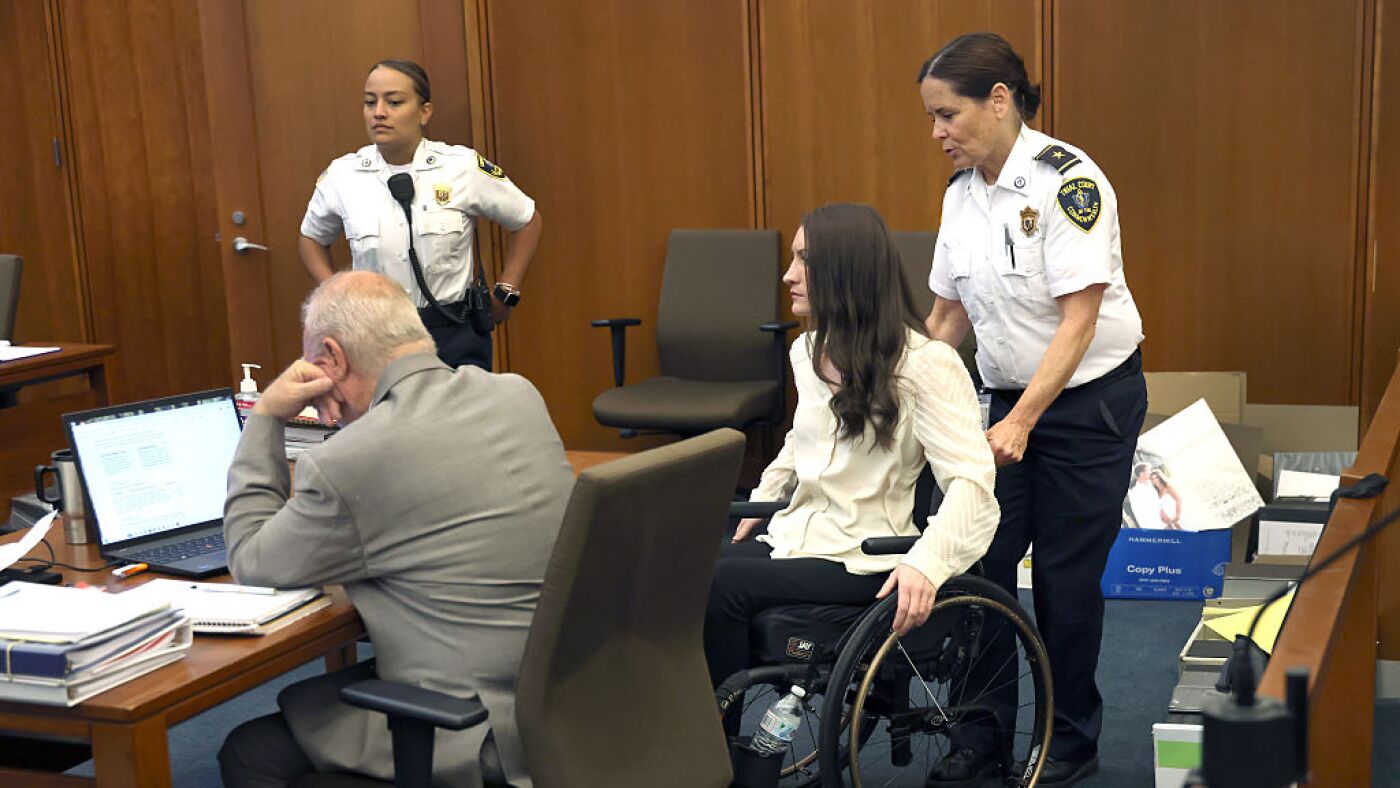
Lindsay Clancy's trial raises crucial questions about postpartum psychosis, a little-understood...
The high-profile trial of Lindsay Clancy, who is accused of murdering her three children,...

A recent medical emergency has left Earth, Wind & Fire drummer John Paris in a critical condition,...

Earth, Wind and Fire drummer John Paris' cardiac incident highlights the importance of artist...

Bruce Willis Makes Rare Appearance at Daughter Tallulah's Wedding Amid Dementia Battle

Netizen tidak senang dengan komentar-komentar yang diberikan

BTS mungkin kembali mengikuti Grammy setelah rekanan mereka, Recording Academy, mengumumkan revisi...
BTS mungkin tidak akan mengubah keputusan untuk mengabaikan Grammy karena deadline pengiriman musik...
Update terbaru tentang keputusan BTS untuk tidak mengirimkan musik mereka untuk dijadikan nominee...
Pihak Recording Academy mengumumkan akan kembali meninju keputusan untuk memperkenalkan kategori...

Sangyeop Sangyeop mengumumkan rencananya untuk menikah dengan seorang non-celebrity, mengejutkan...