





Hawaiian Electric's Commitment to Restoring Power Throughout the State: A Comprehensive Update
Hawaiian Electric continues to prioritize statewide power restoration efforts in the aftermath of...

Hurricane Genevieve is a powerful and complex storm system that formed over the eastern Pacific Ocean in late August 2026. The storm's formation was closely monitored by the National Hurricane Center (NHC), which issued its first advisory on August 20, 2026. The NHC's warning systems quickly identified Genevieve's potential to develop into a category 4 hurricane, posing a significant threat to the coast of Baja California, Mexico. In the weeks leading up to Genevieve's formation, the eastern Pacific experienced a heightened state of seismic activity, which weather experts believe may have contributed to the rapid intensification of the storm system. This rare occurrence has led scientists to re-examine the intricate relationships between oceanic and atmospheric phenomena that govern hurricane formation and intensification.
The rapid development of Genevieve has sparked intense interest among meteorological experts and the public alike, with many wondering about the long-term implications of this extraordinary event. While the NHC's forecasting models have consistently predicted a relatively swift intensification of the storm, some scientists have raised concerns about the potential for a more prolonged and intense period of hurricane activity in the eastern Pacific. This is largely due to the ongoing effects of climate change, which has led to warmer ocean temperatures and more frequent extreme weather events. By examining the trajectory of Genevieve, researchers aim to gain a deeper understanding of these complex dynamics and develop more accurate forecasting tools. Furthermore, policymakers and emergency management agencies are closely monitoring the situation, taking proactive measures to ensure the safety of coastal communities and minimize the economic costs of potential hurricane-related disasters.
The eastern Pacific hurricane season is typically marked by a series of distinct storm tracks and climatic patterns. However, the formation of Genevieve in late August is unusual, as this period typically falls within a lull in hurricane activity after the peak monsoon season. As researchers delve deeper into the factors contributing to Genevieve's rapid intensification, they are uncovering fascinating insights into the intricate relationships between atmospheric and oceanic conditions. The storm's trajectory is also being carefully monitored, as its predicted path may intersect with critical shipping lanes and coastal towns. Despite the challenges posed by Genevieve's rapid development, scientists and emergency responders remain committed to providing accurate and timely information to the public, prioritizing the safety and well-being of those in harm's way.
Hurricane Genevieve's development has also sparked a renewed focus on the need for more effective disaster preparedness and mitigation strategies in coastal regions. As climate patterns continue to evolve and extreme weather events become more frequent, researchers are working to improve the accuracy and reliability of forecasting models. By incorporating insights from Genevieve's trajectory and other data sources, scientists aim to develop more sophisticated warning systems and emergency response plans. This critical work will help coastal communities and emergency agencies to better prepare for and respond to hurricanes, minimizing the risk of loss of life and economic disruption. Ultimately, a more comprehensive understanding of the complex factors driving hurricane formation and intensification will be essential in developing effective long-term strategies to mitigate the impacts of extreme weather events.
The ongoing assessment of Genevieve's impact and the broader implications of this extraordinary event will have far-reaching consequences for the field of meteorology and our understanding of the complex relationships between atmospheric and oceanic phenomena. By examining the intricate dynamics involved in hurricane formation and intensification, researchers will continue to refine their forecasting tools, improve early warning systems, and promote more effective disaster preparedness strategies. As we look to the future, it is clear that the study of hurricanes and other extreme weather events will remain an increasingly vital area of research, with critical contributions to the fields of meteorology, climate science, and emergency management. Through continued collaboration and research, we will better equip ourselves to mitigate the devastating impacts of hurricanes and other disasters, prioritizing the safety and well-being of communities worldwide.
In conclusion, the complex and powerful storm system known as Hurricane Genevieve represents a pivotal moment in the ongoing saga of Atlantic hurricane formation and intensification. By scrutinizing the intricacies of this extraordinary event, researchers and emergency responders can gain a deeper understanding of the critical factors driving hurricane formation, improve their forecasting models, and promote more effective disaster preparedness strategies. This vital work will lay the groundwork for continued innovation and collaboration in the field of meteorology, leading to more accurate and timely warnings, better-informed decision-making, and ultimately, a safer and more resilient world for all.
Stay updated with the latest information on Hurricane Genevieve, from Weather Underground
Hawaiian Electric continues to prioritize statewide power restoration efforts in the aftermath of...

Hawaiian Electric crews have successfully restored power to nearly 180,000 customers, marking a...

Stay informed about Tropical Storm Lala's impact on Hawaii, with updates on warnings, advisories,...
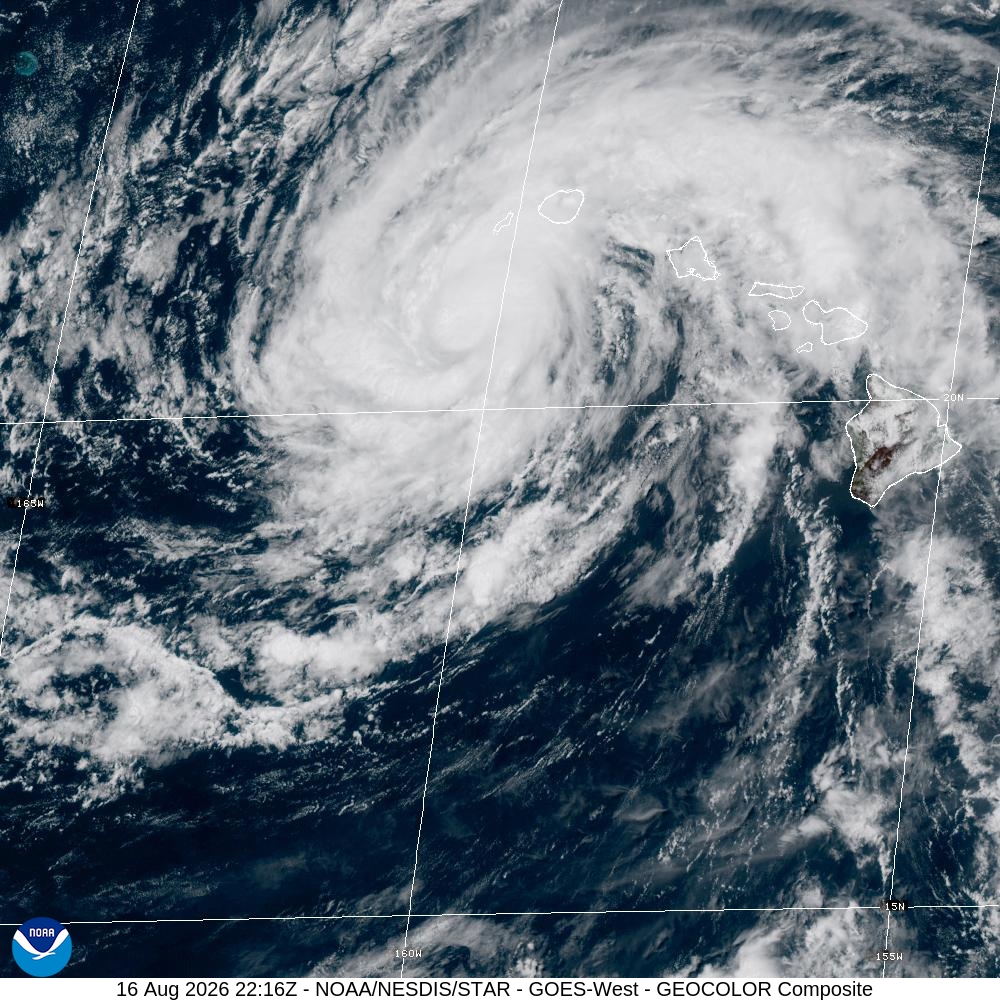
Tropical Storm Lala brought unprecedented rainfall and snowfall to Hawaii, raising questions about...

Tropical Storm Lala made headlines by producing snow on the summit of Mauna Kea, a rare and...
The Devastating Impact of Historic Floods in Indiana: Death Toll Continues to Rise

Netizen tidak senang dengan komentar-komentar yang diberikan

BTS mungkin kembali mengikuti Grammy setelah rekanan mereka, Recording Academy, mengumumkan revisi...
BTS mungkin tidak akan mengubah keputusan untuk mengabaikan Grammy karena deadline pengiriman musik...
Update terbaru tentang keputusan BTS untuk tidak mengirimkan musik mereka untuk dijadikan nominee...
Pihak Recording Academy mengumumkan akan kembali meninju keputusan untuk memperkenalkan kategori...

Sangyeop Sangyeop mengumumkan rencananya untuk menikah dengan seorang non-celebrity, mengejutkan...