



The Independence of the US Department of Justice: Todd Blanche's Uncertain Pledge
The Importance of an Independent US Department of Justice: Understanding Todd Blanche's Remarks
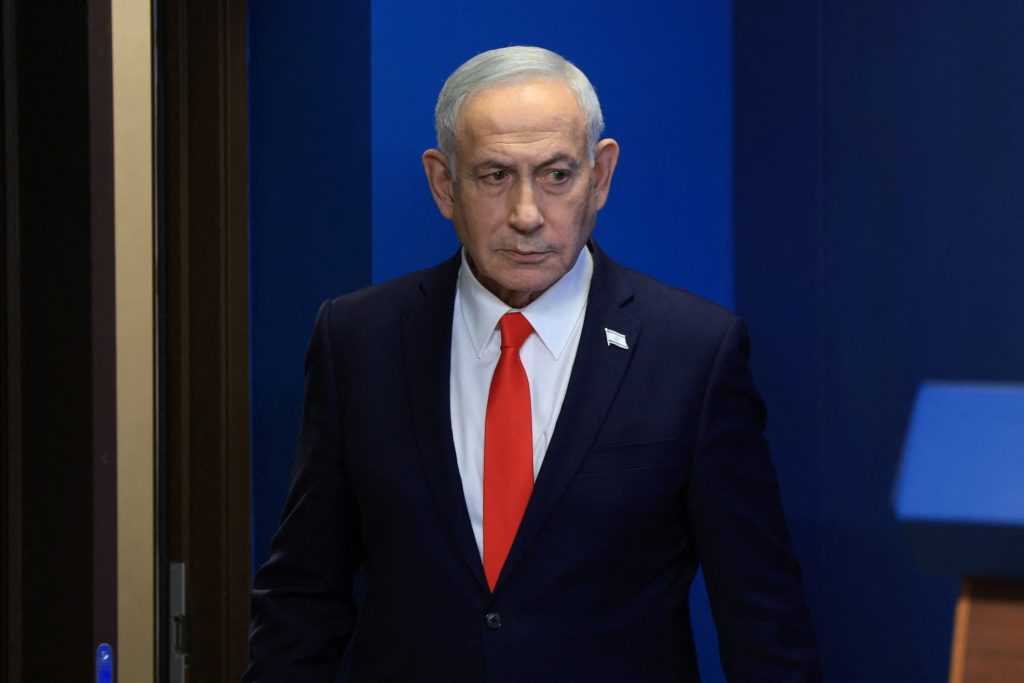
The government of Netanyahu has sparked widespread concern and debate by defying a court ruling, an action that many believe could precipitate a full-blown constitutional crisis. This move, especially with elections on the horizon, has raised questions about the balance of power within the government and the potential for future political instability. The situation is complex, involving a deep-seated disagreement between the judiciary and the legislative branches of government, each citing principles of democracy and the rule of law to justify their positions. According to many legal and political analysts, this clash represents a critical moment in the country's history, one that could redefine the relationship between the judiciary and the government. Furthermore, the implications of such a constitutional crisis could be far-reaching, affecting not only the domestic political landscape but also the country's international standing and relationships.
At the heart of the issue is a disagreement over the limits of governmental power and the role of the judiciary in checking that power. The judiciary has historically been seen as a bulwark against the abuse of power, ensuring that the government acts within the bounds of the law and respects the rights of citizens. However, the current administration has sought to challenge this role, arguing that the judiciary has overstepped its bounds and is interfering with the democratic process. This argument is based on the premise that the government, having been elected by the people, should have the authority to implement its policies without undue interference from the courts. Opponents of the government's position, however, contend that such an approach undermines the principles of constitutional governance and the separation of powers, potentially leading to authoritarianism. The debate is fierce, with each side accusing the other of threatening the very foundations of democracy. The international community is also watching with keen interest, as the outcome could have significant implications for democratic governance worldwide.
When examining the background of this crisis, it becomes clear that the roots of the conflict are deeply entrenched in the political history of the country. The relationship between the judiciary and the government has always been somewhat contentious, with periods of tension and cooperation. However, the current situation is particularly volatile due to the approaching elections, which have heightened political tensions and made compromise more difficult. The government's decision to defy the court has been seen by many as a calculated move to galvanize its base and possibly distract from other issues. Despite this, there are also voices within the government that are cautioning against escalation, recognizing the potential for long-term damage to the country's political institutions. The role of opposition parties and civil society organizations will be crucial in navigating this crisis, as they seek to protect democratic norms and the rule of law. Additionally, the stance of the international community, including statements from key allies and international organizations, could play a significant role in influencing the government's decisions and actions.
The implications of this constitutional crisis are multifaceted and far-reaching. If the government succeeds in challenging the judiciary's authority, it could embolden future administrations to disregard legal and constitutional constraints, leading to a significant erosion of democratic principles. On the other hand, if the judiciary is able to assert its independence and authority, it could bolster the rule of law and provide a strong foundation for democratic governance. The impact on the country's political landscape would be profound, potentially altering the balance of power and influencing the trajectory of future policy decisions. Moreover, the crisis could have significant economic implications, as investors and international partners may view the situation as a sign of instability, potentially leading to a decrease in investment and economic cooperation. The social impact should also not be underestimated, as the crisis could exacerbate existing social divisions and create an atmosphere of political polarization.
An analysis of the situation reveals that the path forward is fraught with challenges. One of the critical factors will be the ability of the political leadership to find a way to de-escalate the crisis without losing face or compromising their principles. This could involve finding a middle ground that respects the role of the judiciary while also addressing the concerns of the government. International pressure and mediation could also play a role, although any external intervention would need to be carefully managed to avoid being seen as interference in domestic affairs. The role of civil society and the media will be vital in holding all parties accountable and ensuring that the democratic process is protected. As the situation evolves, it will be important to monitor the reactions of the international community, the stance of opposition parties, and the strategies employed by the government to navigate this complex and sensitive situation.
Looking ahead to the future, the outcome of this crisis will have significant implications for the country and its people. If a resolution can be found that strengthens democratic institutions and reinforces the rule of law, it could mark a turning point in the country's political development, paving the way for a more stable and prosperous future. However, if the crisis deepens and the government is able to undermine the judiciary's authority, it could lead to a period of political repression and instability, with potentially devastating consequences for the country and its international relations. The coming elections will be a critical test of the country's democratic resilience, and the actions of all parties involved will be scrutinized closely by both domestic and international observers. As such, it is imperative that all stakeholders prioritize the principles of democracy, respect for the rule of law, and the protection of human rights, ensuring that the country emerges from this crisis stronger and more united than ever.
The recent actions of the Netanyahu government have raised significant concerns about a potential constitutional crisis, particularly with elections drawing near



The Importance of an Independent US Department of Justice: Understanding Todd Blanche's Remarks
Donald Trump orders Pentagon to scale back joint military exercises with South Korea, citing his...
Representative Nancy Mace embarks on a new journey, unveiling her full sleeves of long-concealed...
The decision to cut back on military drills with South Korea has significant implications for...

FITSNews reports on Nancy Mace's transition from outgoing congresswoman to online talk show host,...
Trump directs Hegseth to scale back joint military exercises with South Korea Politico

Netizen tidak senang dengan komentar-komentar yang diberikan

BTS mungkin kembali mengikuti Grammy setelah rekanan mereka, Recording Academy, mengumumkan revisi...
BTS mungkin tidak akan mengubah keputusan untuk mengabaikan Grammy karena deadline pengiriman musik...
Update terbaru tentang keputusan BTS untuk tidak mengirimkan musik mereka untuk dijadikan nominee...
Pihak Recording Academy mengumumkan akan kembali meninju keputusan untuk memperkenalkan kategori...

Sangyeop Sangyeop mengumumkan rencananya untuk menikah dengan seorang non-celebrity, mengejutkan...