




Pemerintah Kabupaten Aceh Tamiang: Bumi Muda Sedia Pulih dan Bangkit
Pemerintah Kabupaten Aceh Tamiang: Bumi Muda Sedia Pulih dan Bangkit — Informasi Terbaru

The Treasury Department's recent move to stop $99 million in payments to deceased individuals is a significant step forward in preventing government fraud and ensuring that public funds are used efficiently and effectively.
As part of a broader effort to improve payment integrity and safeguard public cash, the Treasury Department has implemented a new payment verification mechanism that has already shown promising results. Since the initiation of the verification process, the Bureau of the Fiscal Service has reviewed over 885 million federal payments, totaling approximately $2.77 trillion, in response to Executive Order 14249. This initiative underscores the government's commitment to reducing waste and abuse across various government programs.
The analysis has uncovered more than 4,900 payments involving deceased payees, amounting to roughly $99 million in suspected unlawful payments. To prevent these payments from being disbursed, the Treasury Department directed them back to the original federal agencies for further assessment. This proactive approach has already saved taxpayers an estimated $99 million and is expected to save an additional $330 million over time by preventing future improper payments. Lawmakers praise the program, stating that it has already demonstrated substantial financial benefits and a strong return on investment, with previous pilot testing showing recoveries of over $31 million in just five months.
The verification system leverages the Department of the Treasury's Do Not Pay program and expanded access to the Social Security Administration's Full Death Master File to help agencies identify deceased recipients before payments are made. This extended access was made permanent under the Ending Improper Payments to Deceased People Act, which authorizes the Treasury to continue utilizing detailed death records to screen government payments. With this mechanism in place, the Treasury Department is well-equipped to prevent similar cases of government fraud and ensure that public funds reach their intended beneficiaries.
The Treasury Department's efforts to combat government fraud and ensure payment integrity are a crucial step towards improving the overall management of public finances. By implementing such mechanisms, the government can prevent unnecessary waste and abuse, making a significant impact on taxpayers and public programs. According to Treasury Secretary Scott Bessent, the new safeguard helps eliminate fraud, waste, and abuse across government programs while strengthening the integrity of the federal payment system.
As the government continues to ramp up efforts to verify payments, modernize federal payment systems, and enhance tools to identify fraud, better data integration, and continued collaboration with the Social Security Administration are expected to play a crucial role in achieving these goals. Congress and oversight agencies will continue to examine the performance of the program, ensuring that taxpayers realize the anticipated savings in the next several years. Officials expect to see even more improper payments eliminated across government programs as more federal payments are screened before they are made.
In order to further combat government fraud, the Treasury Department will continue to prioritize the verification process, leveraging the insights gained from this experience to optimize the system and prevent similar cases. By taking proactive steps to prevent government fraud, the Treasury Department can help maintain public trust and confidence in the management of public finances.
Looking ahead, the success of this initiative sets a precedent for future efforts to combat government waste and abuse. By learning from this experience, policymakers can develop more effective strategies to prevent improper payments and ensure that public funds are used efficiently and effectively.
Given the positive impact of this initiative, it is likely that the Treasury Department will continue to build on its successes and expand its efforts to prevent government fraud. By doing so, the government can protect taxpayers and promote a more efficient use of public funds.
The Treasury Department has made significant strides in preventing government fraud, and it is likely that similar initiatives will be implemented in the future to combat waste and abuse. By leveraging the lessons learned from this experience, policymakers can continue to develop more effective strategies to prevent improper payments and ensure that public funds are used to their fullest potential.
This initiative demonstrates the government's commitment to transparency, accountability, and the responsible use of public funds. By taking proactive steps to prevent government fraud, the Treasury Department is setting a positive example for other government agencies and promoting a culture of integrity within the public sector.
The Treasury Department's efforts to prevent government fraud have far-reaching implications. By ensuring that public funds are used efficiently and effectively, the government can promote economic growth, create jobs, and improve the overall well-being of citizens. This goal is closely intertwined with the Treasury Department's overall mission to protect taxpayers and promote a strong and stable economy.
In conclusion, the Treasury Department's payment verification mechanism has already shown significant promise in preventing government fraud and ensuring that public funds are used responsibly. As the government continues to build on this success and expand its efforts to prevent waste and abuse, it is likely that similar initiatives will be implemented in the future to promote a more efficient use of public funds and protect taxpayers.
Government's Payment Verification Mechanism Saves $99 Million from Going to Dead People
Pemerintah Kabupaten Aceh Tamiang: Bumi Muda Sedia Pulih dan Bangkit — Informasi Terbaru

Acara 600 ribu porsi kulinier gratis di Monas, menghidupkan semangat kebangsaan dan memperkuat rasa...

Hayden Panettiere, bintang televisi Amerika yang terkenal dengan perannya dalam serial 'Heroes' dan...
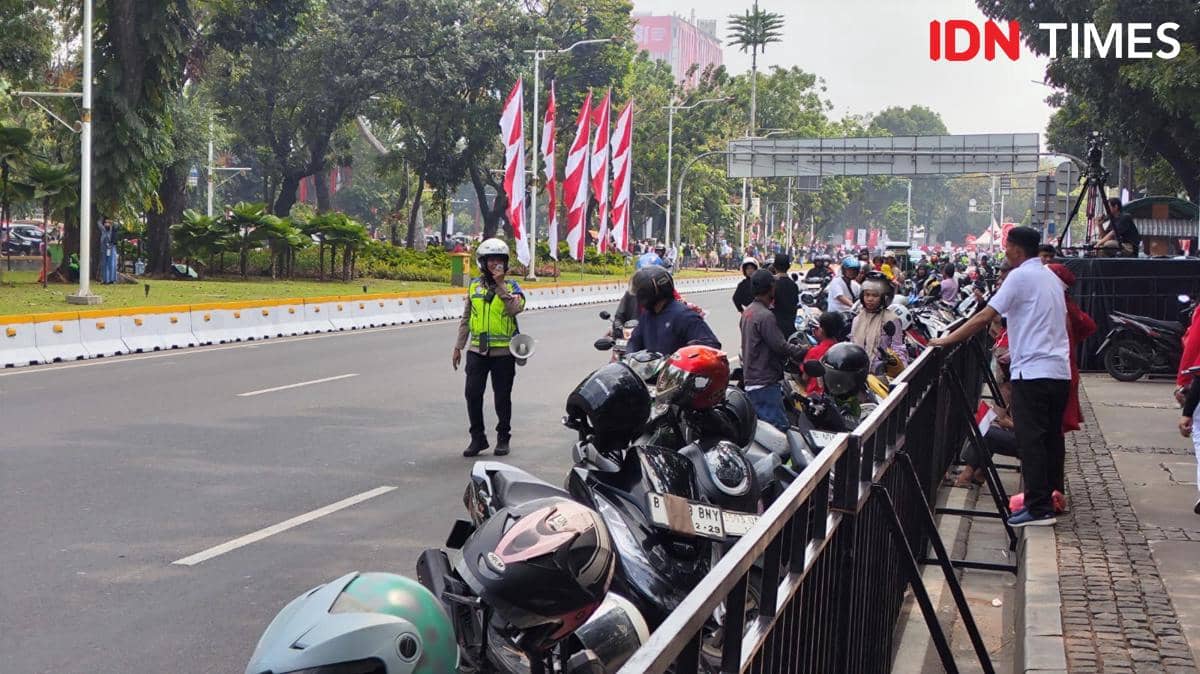
Jalan Merdeka Barat Dekat Istana Merdeka Jadi Parkir Liar Warga yang ke Monumen Nasional IDN Times

Kopassus Mengudara: Aksi Terjun Payung Terunggul di Istana Merdeka - Media Indonesia

Watch the live action of Tijuana vs. Cruz Azul, all the latest news, analysis, and match scores...

Netizen tidak senang dengan komentar-komentar yang diberikan

BTS mungkin kembali mengikuti Grammy setelah rekanan mereka, Recording Academy, mengumumkan revisi...
BTS mungkin tidak akan mengubah keputusan untuk mengabaikan Grammy karena deadline pengiriman musik...
Update terbaru tentang keputusan BTS untuk tidak mengirimkan musik mereka untuk dijadikan nominee...
Pihak Recording Academy mengumumkan akan kembali meninju keputusan untuk memperkenalkan kategori...

Sangyeop Sangyeop mengumumkan rencananya untuk menikah dengan seorang non-celebrity, mengejutkan...