




Wildfire Outbreak: Timber Fire Engulfs 4,655 Acres in Monterey County, Remains 12% Contained
Update on the Timber Fire in Monterey County, which has spread to 4,655 acres and remains 12%...
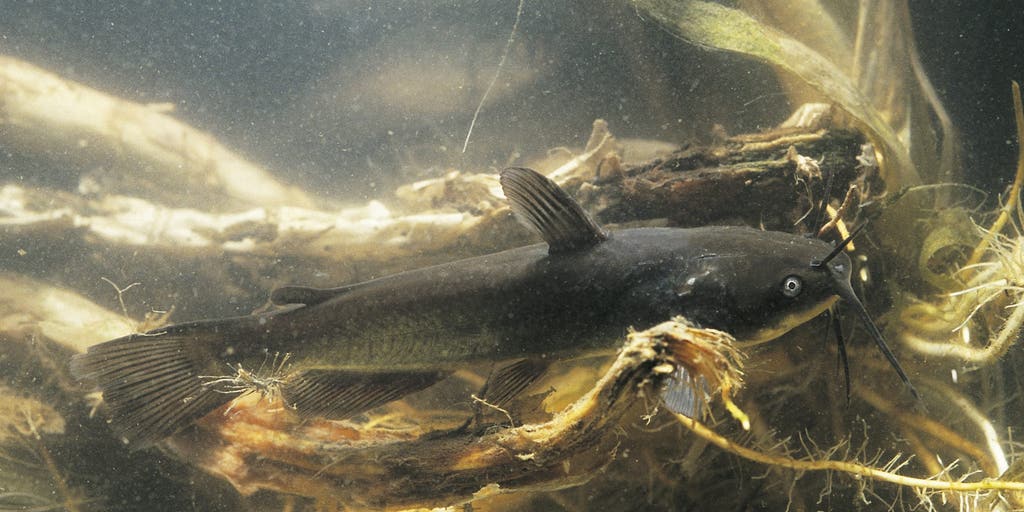
In a groundbreaking study published in the journal Nature, researchers have made the remarkable discovery of a freshwater contagious cancer spreading among catfish in Lake Memphremagog, located on the border of Vermont and Quebec, Canada. This significant finding is the first of its kind in freshwater and raises critical questions about the impact of pollution on aquatic ecosystems.
The study, conducted by a team of scientists, discovered that the cancer was causing raised black lesions on the catfish, with 23 to 37% of the brown bullhead catfish sampled between 2014 and 2017 showing signs of the malignant melanoma. The high number of melanomas led the scientists to investigate the cause, as Lake Memphremagog serves as drinking water for 175,000 people, highlighting the importance of understanding the source of the cancer. To date, transmissible cancers have only been recorded in three species: dogs, Tasmanian devils, and multiple species of bivalves. This new discovery sheds light on the potential risks of aquatic cancers and the need for further research.
The researchers conducted multiple studies, including genomic analyses, to determine the cause of the cancer. Preliminary genomic analysis revealed that the tumors were distinct from healthy tissue, suggesting that the cancer may be transmissible, spreading between hosts like a contagious parasite. This finding is significant, as it implies that the cancer could be passed from one fish to another, potentially leading to a widespread epidemic. The study also noted that the tumors in the affected fish were identical, indicating a clonal origin. This means that the cancer is likely to share a single genetic origin, which further complicates its transmission and eradication.
The researchers believe that the cancer transmits through a combination of reproduction and aging. Using clues from other transmissible cancers in animals, as well as the biology of the brown bullhead catfish, they inferred that reproduction or aging played a crucial role in the transmission of the cancer. This raises further questions about the impact of reproduction and aging on the spread of the cancer. Future sampling of the affected populations will address the age and origin of this clonal cancer, which is essential for understanding its evolution and the way it impacts the brown bullhead population. Moreover, this research highlights the need for continued studies on the biology and behavior of the brown bullhead catfish to better grasp the dynamics of aquatic cancers.
The implications of this discovery are far-reaching and call for a re-examination of our understanding of aquatic cancers. As the world's population continues to grow, the demand for fresh water sources increases, and the risk of aquatic cancers also grows. This new discovery underscores the importance of monitoring aquatic ecosystems and developing effective strategies for preventing the spread of aquatic cancers. Furthermore, it emphasizes the need for continued research into the biology and behavior of aquatic animals to better protect the health of our waterways. The study serves as a warning about the consequences of pollution on aquatic ecosystems and highlights the critical need for conservation efforts to preserve the integrity of our water sources.
As researchers continue to investigate the cause of this cancer, it is essential to consider the broader implications for aquatic ecosystems. The study of transmissible cancers can shed new light on the biology and evolution of aquatic animals, while also highlighting the need for sustainable practices in the management of aquatic ecosystems. The results of this study have significant implications for the development of conservation strategies and the protection of aquatic ecosystems. As this research continues, we can expect to see new insights and discoveries that will aid in our understanding of aquatic cancers and the importance of preserving the health of our waterways.
The study of transmissible cancers among aquatic animals is an emerging field of research. This new discovery highlights the need for continued funding and support for research in this area. As we move forward, it's clear that understanding the causes and implications of aquatic cancers is crucial for protecting the health of our waterways. This groundbreaking discovery is a wake-up call for researchers, policymakers, and conservationists to prioritize the study and management of aquatic ecosystems.
Scientists Uncover First-Ever Transmissible Cancer Spreading Among Fish in Freshwater Setting
Update on the Timber Fire in Monterey County, which has spread to 4,655 acres and remains 12%...

A La Jolla man's decision to plead guilty for kicking a sea lion has shed light on the importance...

A shocking discovery was made at an Upper West Side construction site when a snake was found stuck...
How the beloved Big Bear bald eagle's legacy can help Native American tribes NBC Los Angeles
A thrilling incident has unfolded at Pine Point Beach in Scarborough, where drone footage has...
A lifeguard had a harrowing experience when a great white shark pulled him underwater off...

Netizen tidak senang dengan komentar-komentar yang diberikan

BTS mungkin kembali mengikuti Grammy setelah rekanan mereka, Recording Academy, mengumumkan revisi...
BTS mungkin tidak akan mengubah keputusan untuk mengabaikan Grammy karena deadline pengiriman musik...
Update terbaru tentang keputusan BTS untuk tidak mengirimkan musik mereka untuk dijadikan nominee...
Pihak Recording Academy mengumumkan akan kembali meninju keputusan untuk memperkenalkan kategori...

Sangyeop Sangyeop mengumumkan rencananya untuk menikah dengan seorang non-celebrity, mengejutkan...