



Hawaiian Electric Provides Statewide Power Restoration Update
Hawaiian Electric has issued a comprehensive update on the status of power restoration across the...

Oahu, the most populous island in the Hawaiian archipelago, faces an uphill battle in meeting the growing demand for electricity, exacerbated by the widespread adoption of electric vehicles and renewable energy sources. According to Hawaiian Electric Company, Oahu's electricity consumption has increased by 4.3% annually since 2020, a rate faster than the national average. This surge in demand, combined with the island's isolated grid, creates a perfect storm that mainland utilities rarely encounter, forcing Hawaiian Electric to seek innovative solutions to balance the books.
One of the most significant milestones in Oahu's clean energy journey is the Integrated Grid Planning Request for Proposals (RFP), recently filed by Hawaiian Electric. The ambitious solicitation seeks nearly 1,650 gigawatt-hours of variable renewable energy, mainly solar and wind, to be distributed across Oahu, Hawaii Island, and Maui, along with 465 MW of grid-forming resources and 111 MW of firm generating capacity. The goal is to come online between 2031 and 2034, marking a faster-than-usual pace for large-scale energy infrastructure projects.
The sheer scale of the RFP is a testament to Oahu's electricity challenges. Home to nearly a million residents, the island accounts for over 70% of the total electricity generated across the Hawaiian archipelago. This intense concentration of demand on a single grid poses daunting challenges for Hawaiian Electric, including managing variability in renewable energy production and ensuring a reliable power supply. The company's Integrated Grid Planning RFP represents a bold effort to mitigate these issues and accelerate the island's transition to cleaner energy.
Hawaiian Electric's strategy to address the tension between renewable energy goals and grid reliability hinges on phasing out aging oil-fired power plants while introducing modern firm generation capable of producing electricity continuously. The plan emphasizes the importance of accelerating the retirement of these outdated facilities, ensuring that dependable replacements are already in place. As the company's CEO, Scott Seu, stressed, the company must balance competing priorities, including efficiency, reliability, lower emissions, and cost-effectiveness. In a transparent and competitive framework, Hawaiian Electric aims to evaluate proposals on price, sourcing, and environmental impact, paving the way for a more sustainable energy future for Oahu residents.
The prospect of liquefied natural gas (LNG) as a potential solution has sparked controversy in the region. While Hawaiian Electric acknowledges the possibility of LNG benefits if it delivers value to customers, the company insists that any such pathway must undergo a transparent evaluation process. An affiliate of a Japan-based energy conglomerate has unveiled plans to build the largest power plant on Oahu, fueled by LNG, and is seeking approval outside the standard competitive bidding structure. Hawaiian Electric has publicly pushed back against this approach, advocating for an 'open competitive process' that assesses the value proposition of various options.
The stakes are high in this pivotal moment for Oahu's energy landscape. If regulators grant the Japan-based conglomerate's request, the LNG project could proceed without competition, shifting the landscape and potentially impacting the final outcome. Conversely, if the Public Utilities Commission oversees a competitive procurement process, the door will remain open for other developers to participate, driving innovation and efficiency in the region.
The significance of this decision extends beyond Oahu's shores, serving as a litmus test for the state's commitment to its 100% renewable electricity target by 2045. The outcome will reveal whether Hawai'i can honor its ambitions while navigating the complexities of a rapidly electrifying economy. As the island chain continues to evolve, one thing is clear: the road to a cleaner, more reliable energy future is fraught with challenges, but Hawaiian Electric's Integrated Grid Planning RFP offers a beacon of hope for a more sustainable tomorrow.
The Public Utilities Commission's forthcoming decision will set the tone for the state's energy trajectory, weighing competing priorities and setting the stage for a more decentralized, community-driven approach to energy development. By exploring options like rooftop solar, community solar gardens, and energy efficiency programs, Hawai'i has the potential to create a more inclusive, community-resilient energy system that puts the needs of Oahu residents at its core. As the islands watch and the nation waits, one thing is clear: the future of energy in Oahu is brighter than ever before, and Hawaiian Electric's pursuit of a 'green power' milestone offers a shining example of what's possible when innovation and determination come together.
This development underscores the pressing need for energy resilience in the face of climate change, sea-level rise, and other global challenges affecting Oahu's coastal communities. Hawaiian Electric's commitment to grid planning, coupled with its focus on community engagement, demonstrates its willingness to adapt to the changing landscape and build trust with the public. As this narrative unfolds, we can expect to see more creative, community-driven solutions emerge, driving a seismic shift in the way the state approaches energy generation and consumption.
Disclaimer: Our coverage of events affecting companies or institutions is purely informative and descriptive. We do not seek to promote an opinion or create a trend, nor can it be taken as investment advice or a recommendation of any kind.
Hawaiian Electric Company is pushing towards a major 'green power' milestone, targeting nearly 1,650 gigawatt-hours of variable renewables and hundreds of megawatts of storage across the islands. Can the company overcome its island status and electrify a rapidly transitioning economy without sacrificing reliability?
Hawaiian Electric has issued a comprehensive update on the status of power restoration across the...
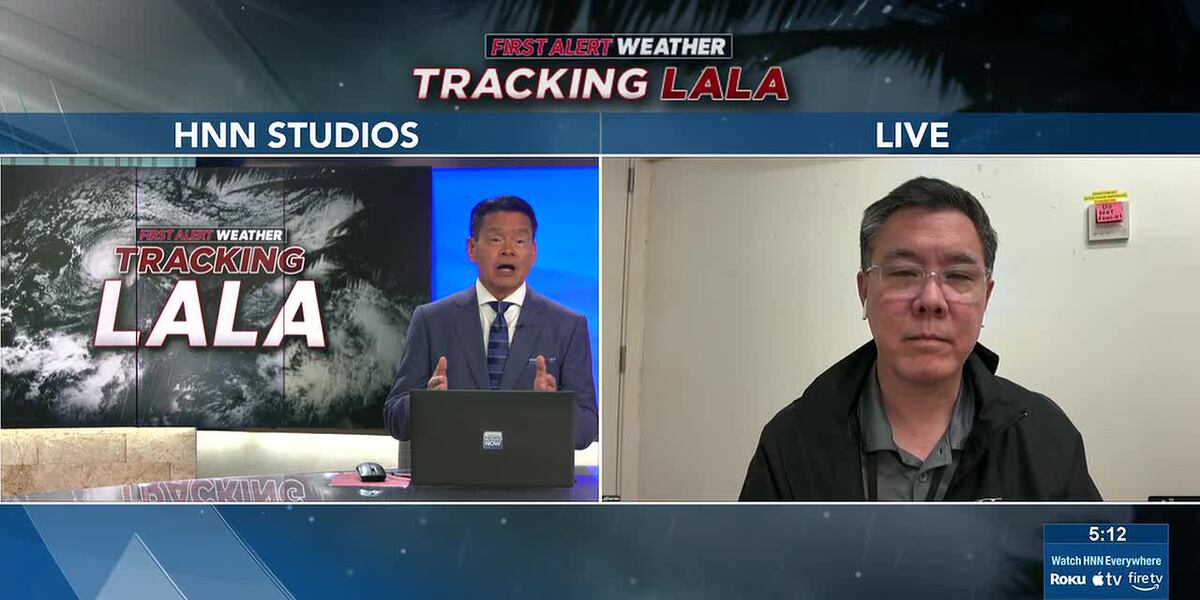
Darren Pai from Hawaiian Electric shares a critical 5 p.m. update on the ongoing power outage...
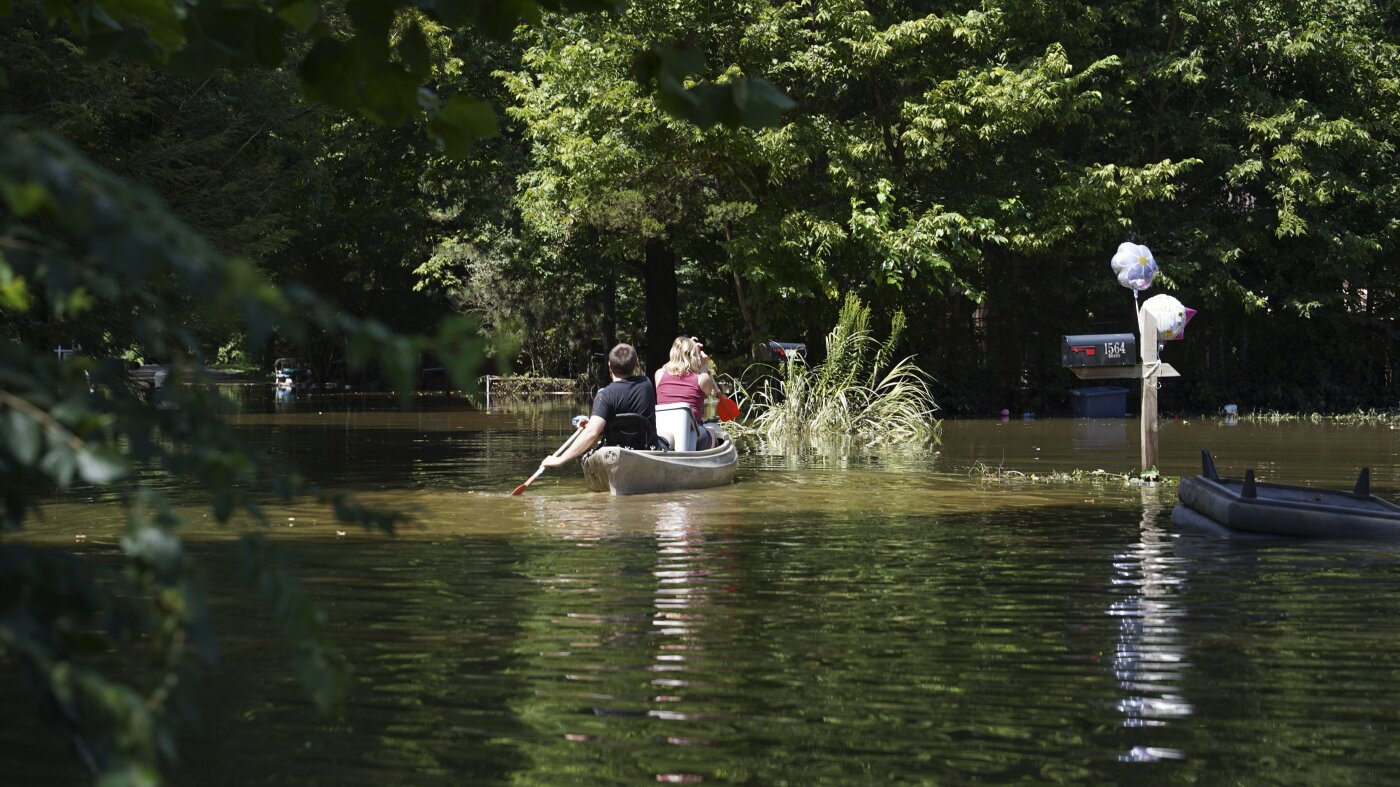
The floods that have been battering Indiana for days have left a trail of destruction and claiming...

Tropical Storm Lala made headlines by producing snow on the summit of Mauna Kea, a rare and...

Russia celebrates its rich agricultural heritage at the annual Ploughing Championship, a testament...

As the weekend draws to a close, Hawaii residents are bracing themselves for the potential impact...

Netizen tidak senang dengan komentar-komentar yang diberikan

BTS mungkin kembali mengikuti Grammy setelah rekanan mereka, Recording Academy, mengumumkan revisi...
BTS mungkin tidak akan mengubah keputusan untuk mengabaikan Grammy karena deadline pengiriman musik...
Update terbaru tentang keputusan BTS untuk tidak mengirimkan musik mereka untuk dijadikan nominee...
Pihak Recording Academy mengumumkan akan kembali meninju keputusan untuk memperkenalkan kategori...

Sangyeop Sangyeop mengumumkan rencananya untuk menikah dengan seorang non-celebrity, mengejutkan...