




The Independence of the US Department of Justice: Todd Blanche's Uncertain Pledge
The Importance of an Independent US Department of Justice: Understanding Todd Blanche's Remarks
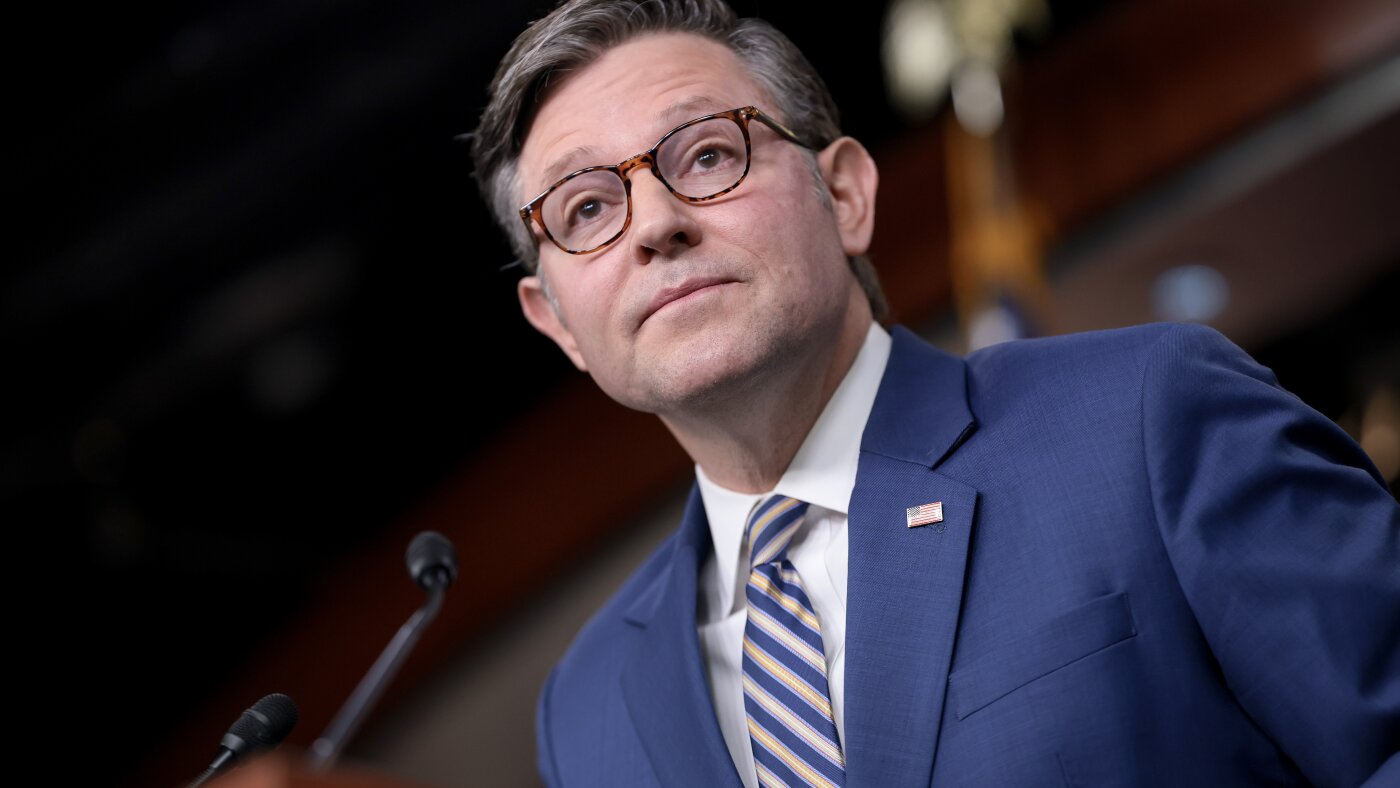
The House of Representatives has approved a record-breaking $1.1 trillion military funding bill, known as the National Defense Authorization Act (NDAA), amidst growing concerns over the escalating conflict in Iran. The bill, which has become a largely party-line effort this year, was passed by a vote of 216 to 212, with six Democrats joining Republicans to support the measure. This development marks a significant shift in the NDAA debate, which typically boasts broad bipartisan majorities. As the bill heads to the Senate, where it faces an uncertain path forward, many are left wondering about the implications of such a large funding package amidst rising tensions in the Middle East.
The NDAA contains a provision that would unlock new dollars for the Iran war, with Republicans claiming it will help 'build the fighting force of the future by prioritizing innovation, lethality, and readiness.' However, Democrats are skeptical, with Rep. Adam Smith of Washington state, the top Democrat on the House Armed Services Committee, stating that the bill 'comes with the inclusion of $1.15 trillion in discretionary spending.' He emphasized that Democrats cannot support such a measure by 'making massive cuts to critically important domestic programs and slashing taxes.'
As concerns over the Iran war continue to escalate, the U.S. has reportedly spent a staggering $37.5 billion on the conflict, with nearly 500 service members injured and 18 fatalities since the war began. In recent days, at least four U.S. service members have been killed, highlighting the grave risks faced by those serving in the conflict. With the average price of gasoline now above $4 per gallon, many are questioning the true cost of this war and its implications for the U.S. economy.
Separately, the House Republicans advanced a $95 billion budget blueprint that outlines more than $70 billion for the Iran war, despite concerns from lawmakers about appropriating more funds for a war effort that appears to be rapidly escalating and remains unpopular with the American public. The framework, which still needs to pass the Senate, also calls for assistance for farmers and money to implement provisions of the SAVE America Act, President Trump's signature election overhaul bill.
The Senate's path forward on the reconciliation framework is an open question, with Majority Leader John Thune stating he wants to prioritize negotiations to extend government funding beyond the midterm elections. With government funding set to lapse at the end of September, there are growing concerns about the potential consequences of a government shutdown, especially amidst rising tensions in the Middle East.
The House also advanced a bill to extend government funding through December, which was passed by a vote of 232 to 198. However, Majority Leader Thune said this plan does not include several funding requests sought by the White House. Additionally, by a vote of 232 to 198, the House passed a bill that would ban lawmakers from acquiring new individual stocks while in office, with many good government advocacy groups opposing the measure due to concerns over major loopholes and potential conflicts of interest.
The implications of this funding bill extend far beyond the immediate context of the Iran war, with some arguing that it will only serve to escalate tensions in the region and perpetuate a culture of militarism in Washington. Others see it as a necessary step to address the growing national security concerns facing the U.S. in the face of an increasingly complex and uncertain world.
Ultimately, the passage of this funding bill marks a critical turning point in the ongoing debate over U.S. military spending and its implications for American society. As the Senate weighs the fate of this legislation, it is clear that the stakes are higher than ever, with the potential consequences of this decision far-reaching and profound.
The American public is left with a pressing question: what does this funding bill mean for the future of U.S. foreign policy and the nation's role in the Middle East? As the House and Senate work to shape the final version of this legislation, we will be watching closely to see how this story unfolds and what the ultimate implications will be for the U.S. and the world.
The House of Representatives passes a $1.1 trillion military funding bill amidst escalating tensions in Iran, prompting fears of increased spending and potential conflict.



The Importance of an Independent US Department of Justice: Understanding Todd Blanche's Remarks
Donald Trump orders Pentagon to scale back joint military exercises with South Korea, citing his...
Representative Nancy Mace embarks on a new journey, unveiling her full sleeves of long-concealed...
The decision to cut back on military drills with South Korea has significant implications for...

FITSNews reports on Nancy Mace's transition from outgoing congresswoman to online talk show host,...
Trump directs Hegseth to scale back joint military exercises with South Korea Politico

Netizen tidak senang dengan komentar-komentar yang diberikan

BTS mungkin kembali mengikuti Grammy setelah rekanan mereka, Recording Academy, mengumumkan revisi...
BTS mungkin tidak akan mengubah keputusan untuk mengabaikan Grammy karena deadline pengiriman musik...
Update terbaru tentang keputusan BTS untuk tidak mengirimkan musik mereka untuk dijadikan nominee...
Pihak Recording Academy mengumumkan akan kembali meninju keputusan untuk memperkenalkan kategori...

Sangyeop Sangyeop mengumumkan rencananya untuk menikah dengan seorang non-celebrity, mengejutkan...