




The Independence of the US Department of Justice: Todd Blanche's Uncertain Pledge
The Importance of an Independent US Department of Justice: Understanding Todd Blanche's Remarks
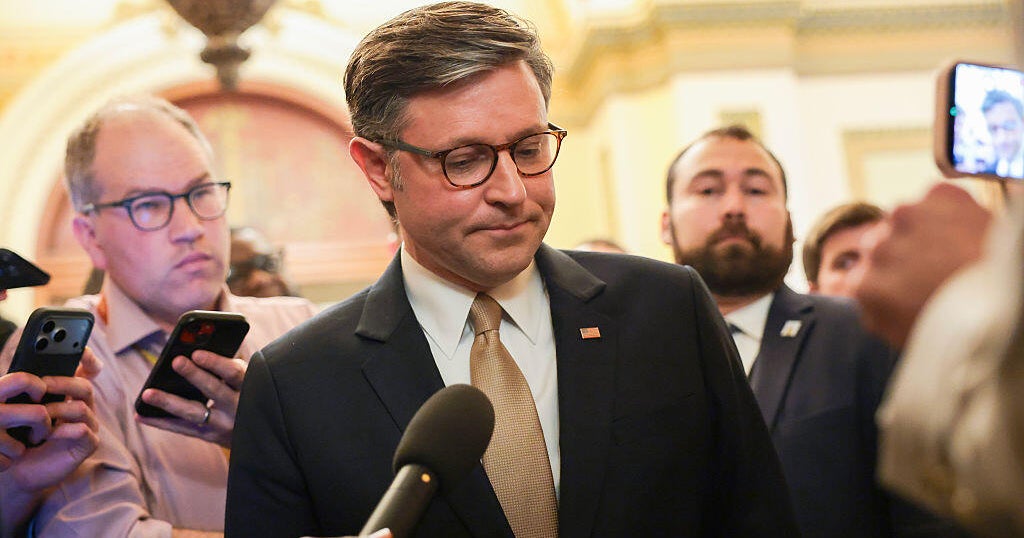
The ongoing stalemate between the Republican hardliners and the House of Representatives' leadership continues to hinder the passage of crucial legislation, including the annual defence policy bill, known as the National Defense Authorization Act. The Republicans' insistence on the Senate passing the SAVE America Act, a contentious voting regulations bill, has led to the holdup. President Trump's backing of this bill has sparked controversy, with some viewing it as a means to exert political leverage. The hardline stance of the Republicans has resulted in the cancellation of votes on the National Defense Authorization Act, delaying its passage and affecting other related legislation.
The impasse began last week, when President Trump unexpectedly cancelled a signing ceremony for a landmark housing affordability bill. The cancellation was seen as an attempt to use this bill as leverage to push Congress to adopt contentious voting requirements, such as proof of citizenship and restrictions on mail-in ballots. The Republicans have made it clear that they will block other legislation from advancing until the Senate passes the SAVE America Act. This stance has caused friction between the hardline Republicans and the party leadership, led by Speaker Mike Johnson. The Senate's inability to pass the bill with the required 60 votes due to Democratic opposition has further complicated the situation.
In a press briefing, Speaker Johnson expressed frustration and urged Republicans to regroup. "We'll work on that over the next day and a half, and we'll get everybody to a yes," he said. Johnson argued that holding back progress on critical legislation due to Senate Democrats' inaction is unnecessary. He emphasized that time is running out, as Congress is nearing its end. The House is scheduled to return after the Fourth of July recess on July 13, and the tension between the hardline Republicans and leadership is expected to persist. The Speaker has hinted at bringing the SAVE America Act up for vote once again, and he is confident that a solution will be found.
GOP Representative Anna Paulina Luna from Florida has been leading the charge for the passage of the SAVE America Act. Her key demands include inserting the voting regulations into the text of the bill and making it harder for the Senate to strip these provisions. Luna's proposed amendment aims to place the voting requirements within the National Defense Authorization Act, making it more difficult for the Senate to remove them. However, there are concerns that even with the amendments, the provisions could still be stripped when the bill goes to conference. Representative Luna has acknowledged this risk and expressed her determination to push for the passage of the bill.
Representative Tom Burchett, another holdout, believes that the Senate is not solely responsible for the SAVE America Act's stalled progress. "Until we've exhausted every avenue, it's still our issue," he said. Burchett points to the ongoing debate and the fact that the Senate has yet to reach a consensus on the bill. He argues that the onus lies not only on the Senate but on the entire House leadership to find a solution. Despite the obstacles, the hardline Republicans remain resolute in their support for the SAVE America Act, and their stance is seen as a crucial factor in the current stalemate.
The SAVE America Act itself has been a contentious issue, with many viewing it as an attempt to curtail voting rights and impose stricter regulations. The bill's proponents argue that it aims to prevent voter fraud and ensure the integrity of the electoral process. However, its critics see it as a thinly veiled attempt to disenfranchise certain groups and limit access to voting. The ongoing debate surrounding this bill serves as a microcosm for the broader issues of voting rights and electoral reform.
The current standoff between the Republicans and the House leadership highlights the complex dynamics at play in Washington. As the debate continues and the House gears up for a fresh round of votes, one thing is clear: the SAVE America Act remains a contentious issue that has sparked intense emotion and passion on both sides. The House's inability to pass critical legislation due to the Republicans' insistence on this bill has serious implications for the country's democratic process. As the nation waits with bated breath for a resolution, one can't help but wonder what the future holds for this contentious legislation and the House of Representatives as a whole.
The ongoing stalemate between the hardline Republicans and the House leadership also serves as a reminder of the need for compromise and cooperation in governance. As the country approaches an election and the end of the Congressional session, the urgency to find a solution to the impasse grows. Speaker Johnson's reassurance that everyone will eventually come to a yes on the SAVE America Act is welcome news, but the road to resolution is expected to be long and arduous. As the debate rages on, one can't help but wonder what will ultimately become of the SAVE America Act and the nation's democratic process.
The fate of the SAVE America Act hangs in the balance, and with it, the course of American politics. The current standoff serves as a stark reminder of the challenges that lie ahead for the House of Representatives. As Congress returns from recess, lawmakers will be looking for a way out of this impasse, but for now, the future remains uncertain. One thing is clear, however: the SAVE America Act will continue to be a defining issue in American politics, shaping the nation's democratic landscape for years to come.
House GOP agenda stalls over holdouts' insistence on SAVE America Act



The Importance of an Independent US Department of Justice: Understanding Todd Blanche's Remarks
Donald Trump orders Pentagon to scale back joint military exercises with South Korea, citing his...
Representative Nancy Mace embarks on a new journey, unveiling her full sleeves of long-concealed...
The decision to cut back on military drills with South Korea has significant implications for...

FITSNews reports on Nancy Mace's transition from outgoing congresswoman to online talk show host,...
Trump directs Hegseth to scale back joint military exercises with South Korea Politico

Netizen tidak senang dengan komentar-komentar yang diberikan

BTS mungkin kembali mengikuti Grammy setelah rekanan mereka, Recording Academy, mengumumkan revisi...
BTS mungkin tidak akan mengubah keputusan untuk mengabaikan Grammy karena deadline pengiriman musik...
Update terbaru tentang keputusan BTS untuk tidak mengirimkan musik mereka untuk dijadikan nominee...
Pihak Recording Academy mengumumkan akan kembali meninju keputusan untuk memperkenalkan kategori...

Sangyeop Sangyeop mengumumkan rencananya untuk menikah dengan seorang non-celebrity, mengejutkan...