



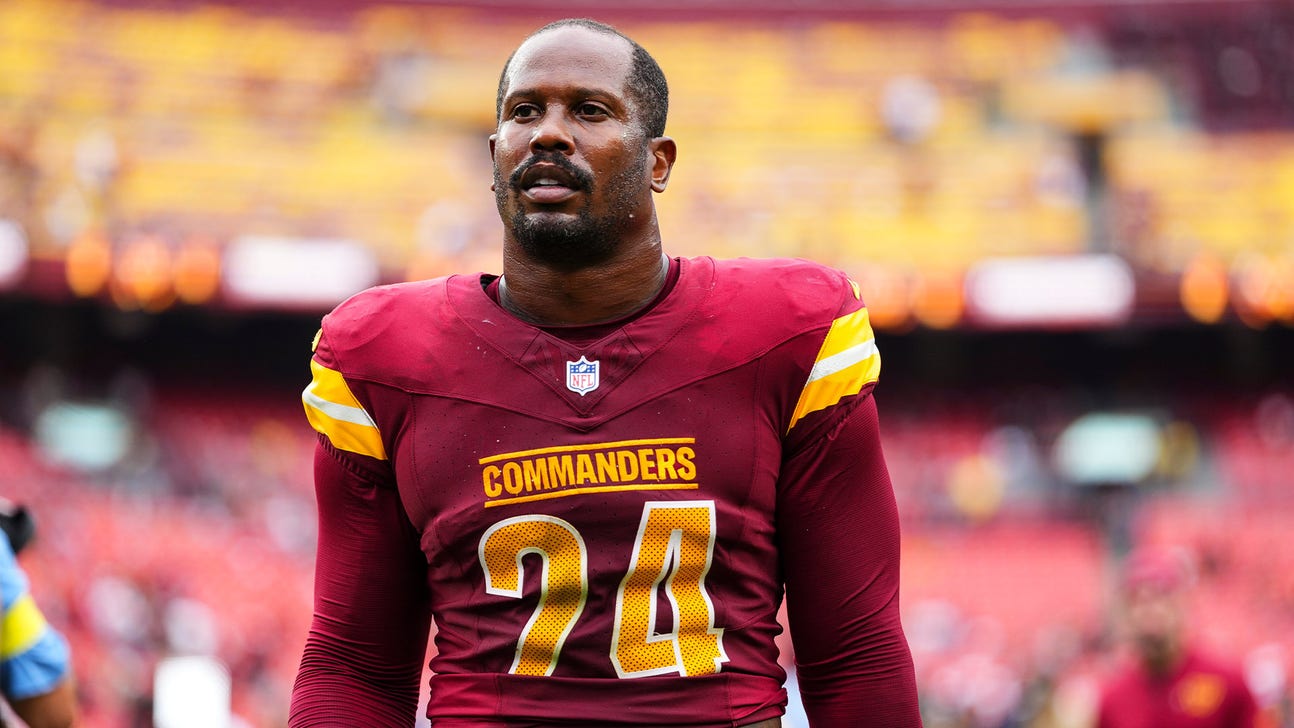
A Defensive Powerhouse: Cowboys Land Von Miller in a Major Boost to their Pass Rush
A Defensive Powerhouse: Cowboys Land Von Miller in a Major Boost to their Pass Rush FOX Sports

Oklahoma has more junior college players on its roster than any team in the College World Series.
The Sooners have 13 JUCO products, and several have played a pivotal role in their improbable run to Omaha. Deiten Lachance, Dayton Tockey, Trey Gambill, and Brendan Brock are all starters in OU’s lineup, while Gavyn Jones and Nate Smithburg have been key arms out of the bullpen.
This isn’t a new strategy for Oklahoma. Under head coach Skip Johnson and recruiting coordinator Todd Butler, the Sooners have found several hidden gems at the JUCO level. Both men started their coaching careers at junior colleges in Texas, and that background gives JUCO players a certain aura in their eyes.
“Skip was at Navarro. My first job was in 1992 for $6,000 at Blinn Junior College,” Butler told SoonerScoop on Sunday. “The JUCO guys, I just think that they’ve had their teeth kicked in a little bit. They’re hungry.”
That persona is apparent when watching this Oklahoma baseball team. Whether it’s the 13 JUCO players, a couple of walk-ons, or a trio of freshmen pitchers, these Sooners play with a chip on their shoulder.
“I was a junior college coach for 16 years, and I think what really stands out to me is most of those guys are tougher,” Johnson said of JUCO players. “I think my biggest thing is you’re not going to ever really play for me as a head coach if you’re not tough. You’ve got to be able to persevere in this game because the game doesn’t care how you feel sometimes. You can’t feel sorry for yourself in this game. You just gotta wake up, and the sun’s coming up the next day, and play.”
In today’s college baseball landscape, building your team with a lot of JUCO players is rare. Years ago, many teams filled out their rosters with experienced junior college players, but the transfer portal has made that less common.
But that’s not the case at OU.
“Where our program has been, JUCO has been a great fit for us,” Butler said. “And part of that is the revenue share in NIL, and we’ve been a little bit behind in that in the SEC. I think we’re catching up now, especially after getting to Omaha. But JUCO guys have been really good for us, and I like the JUCO–high school mix. I really like that more, probably so in today’s landscape.”
This year’s team reflects that strategy. OU’s roster is made up of 14 high school recruits, 13 JUCO products, and 10 Division I transfers.
Finding these guys isn’t easy, though. Butler said they aren’t like portal players, where you already know they can play at the Power 4 level. And they’re not like high school players, where you can see the raw talent that you can eventually develop.
“It goes back to watching with your eyes,” Butler said. “It’s easy to get on the computer and get in the portal and look, and these guys are top–150 players—that’s pretty easy. When you’re out there sweating and putting in the time, that’s what it takes with junior college players, specifically.”
Still, how does Butler find players like Tockey and Lachance, two guys who have been monsters at the plate this postseason? And why do they sometimes choose players like them over a Division I transfer?
“Connections to the coaches that are coaching the kids, where I understand what we’re going to get,” Butler said. “When everybody just wants to go buy a player, well, we haven’t done that… Now with the transfer portal, the rosters change immediately, right? So the one thing about the high school and the JUCO [kids]—I mean, I’ve been following them a lot longer than I have a portal player, so I kind of have a connection, probably more importantly, an understanding of what they’re about.”
That’s ultimately what it comes down to for Johnson and Butler. They want to find good players, no doubt, and they have at the JUCO level.
What separates the JUCO players Oklahoma has added to its roster from others is their mindset, which fits Johnson’s culture and coaching journey.
“They haven’t been the guy coming up,” Johnson said. “Maybe they went to a junior college to get more at-bats. There are a lot of things that I think a junior college player is good at. They’ve been playing; they’ve pitched in big atmospheres; they’ve dealt with situations where not all the stuff has been given to them. They’ve had to work extremely hard for what they’ve done, and it actually helps our scholarships a little bit, too, because most of them are good students.”
Oklahoma baseball's success in the College World Series can be attributed to their JUCO pipeline, featuring 13 players who have been crucial in their run to Omaha.
A Defensive Powerhouse: Cowboys Land Von Miller in a Major Boost to their Pass Rush FOX Sports
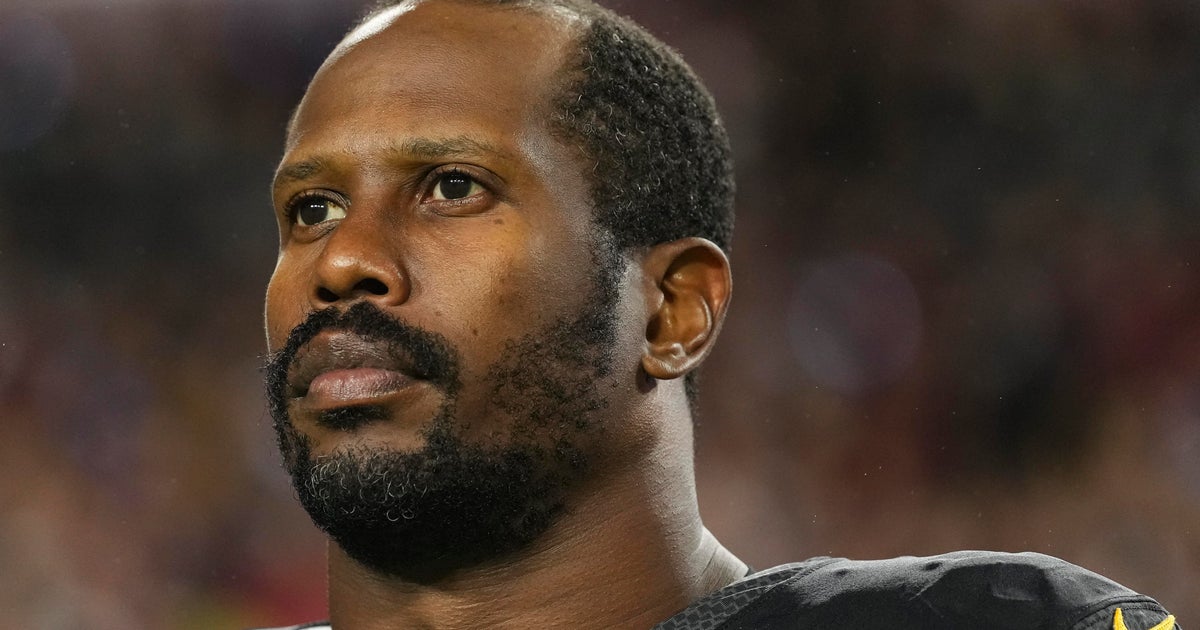
The highly anticipated move of Von Miller to the Dallas Cowboys has been making headlines, with...

Stay updated with the latest sports news, transfers, scores, and watch live sport on Sky Sports,...
Dive into the latest sports news, transfers, and scores, and catch your favorite teams and players...
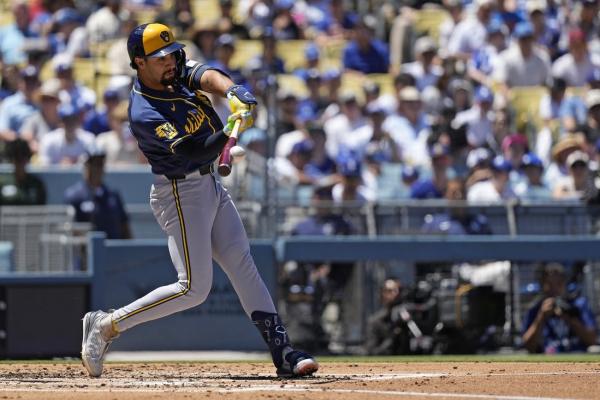
The Milwaukee Brewers have overcome the Los Angeles Dodgers in a thrilling series, thanks in large...
Rain Suspends Shelton-Faria ATP Tour Match
Netizen tidak senang dengan komentar-komentar yang diberikan

BTS mungkin kembali mengikuti Grammy setelah rekanan mereka, Recording Academy, mengumumkan revisi...
BTS mungkin tidak akan mengubah keputusan untuk mengabaikan Grammy karena deadline pengiriman musik...
Update terbaru tentang keputusan BTS untuk tidak mengirimkan musik mereka untuk dijadikan nominee...
Pihak Recording Academy mengumumkan akan kembali meninju keputusan untuk memperkenalkan kategori...

Sangyeop Sangyeop mengumumkan rencananya untuk menikah dengan seorang non-celebrity, mengejutkan...