



Lindsay Clancy's Trial Sheds Light on the Hidden Dangers of Postpartum Psychosis
Lindsay Clancy's trial raises crucial questions about postpartum psychosis, a little-understood...
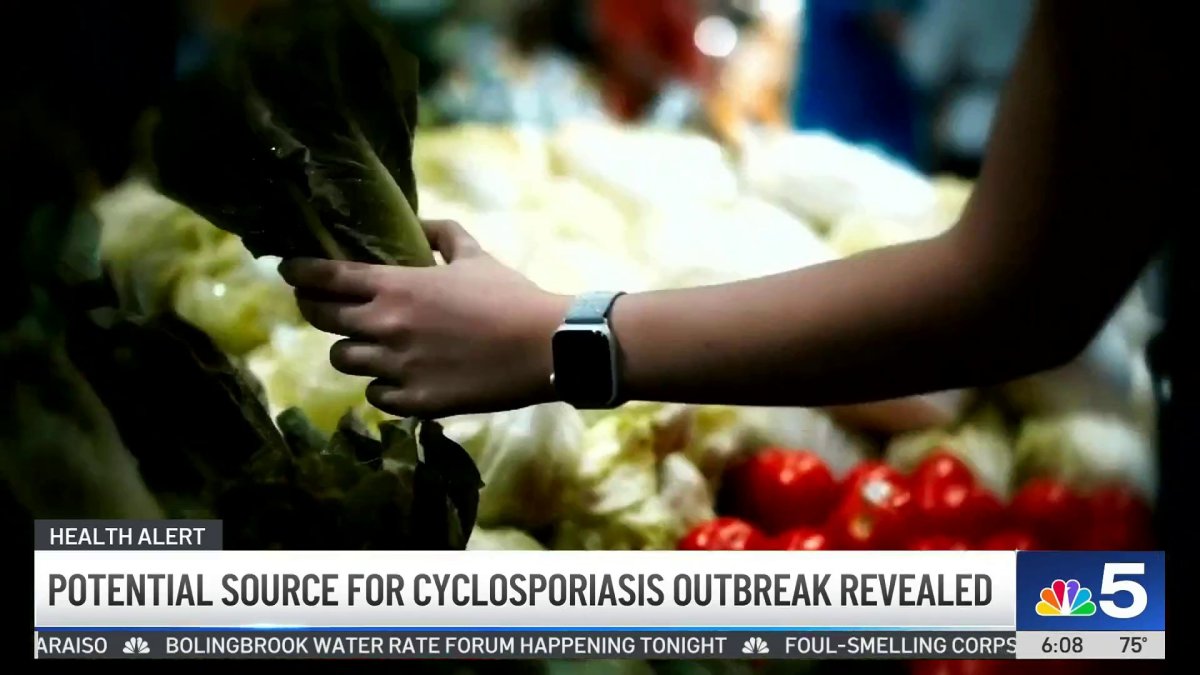
The Cyclospora cayetanensis parasite is typically found in contaminated food or water, and outbreaks have been reported in various parts of the world, including the United States. According to the Centers for Disease Control and Prevention (CDC), cyclosporiasis is a significant public health concern, with the number of reported cases increasing in recent years. The CDC has been working closely with state and local health authorities to investigate the source of these outbreaks, and vegetables have emerged as a potential culprit. In fact, the CDC has reported that many cases of cyclosporiasis have been linked to the consumption of contaminated produce, such as lettuce and other leafy greens. Furthermore, the agency has emphasized the importance of proper food handling and preparation to prevent the spread of the disease.
The potential link between vegetables and cyclosporiasis outbreaks has significant implications for public health, particularly during the summer months when the risk of foodborne illness is higher. As the weather warms up, people are more likely to consume fresh produce, which can be contaminated with the Cyclospora parasite. Additionally, the rise of pre-washed and pre-cut produce has made it easier for consumers to incorporate more fruits and vegetables into their diets, but it also increases the risk of exposure to contaminated products. The CDC has advised consumers to wash their hands frequently, especially after handling produce, and to cook their food thoroughly to kill any potential bacteria or parasites. However, the challenge lies in identifying the specific sources of contamination, which can be difficult due to the complex supply chain and distribution networks of fresh produce.
Experts believe that the increase in cyclosporiasis outbreaks can be attributed to various factors, including changes in food production and distribution practices, as well as climate change. As the global demand for fresh produce continues to grow, farmers and distributors are facing pressure to meet the demand, which can lead to shortcuts in food safety protocols. Moreover, the warmer temperatures and increased rainfall associated with climate change can create an environment that is conducive to the growth and spread of the Cyclospora parasite. The World Health Organization (WHO) has warned that climate change poses a significant threat to global food security, and the rise of cyclosporiasis outbreaks is just one example of the potential consequences. Therefore, it is essential to implement robust food safety measures and monitoring systems to prevent and respond to outbreaks.
The economic impact of cyclosporiasis outbreaks should not be underestimated, as it can result in significant losses for farmers, distributors, and retailers. In addition to the direct costs associated with recalls and lab testing, the negative publicity surrounding an outbreak can damage a company's reputation and lead to long-term financial consequences. Furthermore, the emotional toll on individuals who contract the illness can be substantial, with symptoms including explosive diarrhea, abdominal cramps, and fatigue. The CDC has reported that cyclosporiasis can cause significant morbidity, with some patients requiring hospitalization. In extreme cases, the illness can lead to life-threatening complications, such as dehydration and malnutrition.
As the investigation into the source of the cyclosporiasis outbreaks continues, health authorities are urging consumers to take precautions when handling and consuming fresh produce. The FDA has advised consumers to check for any recalls or warnings before purchasing produce, and to follow proper food handling and preparation techniques to minimize the risk of contamination. Additionally, the agency has emphasized the importance of reporting any symptoms of foodborne illness to healthcare providers, as prompt diagnosis and treatment can significantly reduce the risk of complications. The CDC has also established a surveillance system to monitor cases of cyclosporiasis and track the spread of the disease. By working together, health authorities, farmers, distributors, and consumers can reduce the risk of cyclosporiasis outbreaks and promote a safer food supply.
In the context of the recent reports from NBC 5 Chicago, it is essential to consider the broader implications of the potential link between vegetables and cyclosporiasis outbreaks. The fact that certain vegetables could be the source of these outbreaks highlights the need for more stringent food safety protocols and increased awareness among consumers. As the demand for fresh produce continues to grow, it is crucial to prioritize food safety and take proactive measures to prevent the spread of foodborne illnesses. The CDC, FDA, and other health authorities must work collaboratively to investigate the source of these outbreaks, develop effective prevention strategies, and educate the public about the risks associated with contaminated produce. By taking a proactive and coordinated approach, we can reduce the incidence of cyclosporiasis and promote a healthier and safer food system.
The future outlook for cyclosporiasis outbreaks is uncertain, as it depends on various factors, including changes in food production and distribution practices, as well as advances in food safety technology. However, one thing is clear: the need for vigilance and proactive measures to prevent the spread of foodborne illnesses is more critical than ever. As consumers, we must be aware of the potential risks associated with contaminated produce and take steps to minimize our exposure. This includes washing our hands frequently, cooking our food thoroughly, and checking for any recalls or warnings before purchasing produce. By working together, we can create a safer food system and reduce the risk of cyclosporiasis outbreaks. Furthermore, ongoing research and development of new technologies and strategies for detecting and preventing foodborne illnesses will be essential in the fight against cyclosporiasis and other foodborne diseases.
Recent reports from NBC 5 Chicago suggest that certain vegetables could be the source of cyclosporiasis outbreaks, a gastrointestinal illness caused by the parasite Cyclospora cayetanensis
Lindsay Clancy's trial raises crucial questions about postpartum psychosis, a little-understood...
The high-profile trial of Lindsay Clancy, who is accused of murdering her three children,...

A Serious Warning from the FDA: Texas-Sold Eggs May Contain Salmonella

A recent medical emergency has left Earth, Wind & Fire drummer John Paris in a critical condition,...

Earth, Wind and Fire drummer John Paris' cardiac incident highlights the importance of artist...

The FDA has elevated the recent egg recall to its highest level due to a significant Salmonella...

Netizen tidak senang dengan komentar-komentar yang diberikan

BTS mungkin kembali mengikuti Grammy setelah rekanan mereka, Recording Academy, mengumumkan revisi...
BTS mungkin tidak akan mengubah keputusan untuk mengabaikan Grammy karena deadline pengiriman musik...
Update terbaru tentang keputusan BTS untuk tidak mengirimkan musik mereka untuk dijadikan nominee...
Pihak Recording Academy mengumumkan akan kembali meninju keputusan untuk memperkenalkan kategori...

Sangyeop Sangyeop mengumumkan rencananya untuk menikah dengan seorang non-celebrity, mengejutkan...