



Marseille's Owner, Frank McCourt, Injects €50.2 Million into the Football Club
Marseille's Owner Injects €50.2 Million into the Football Club: A Strategic Move to Secure the...
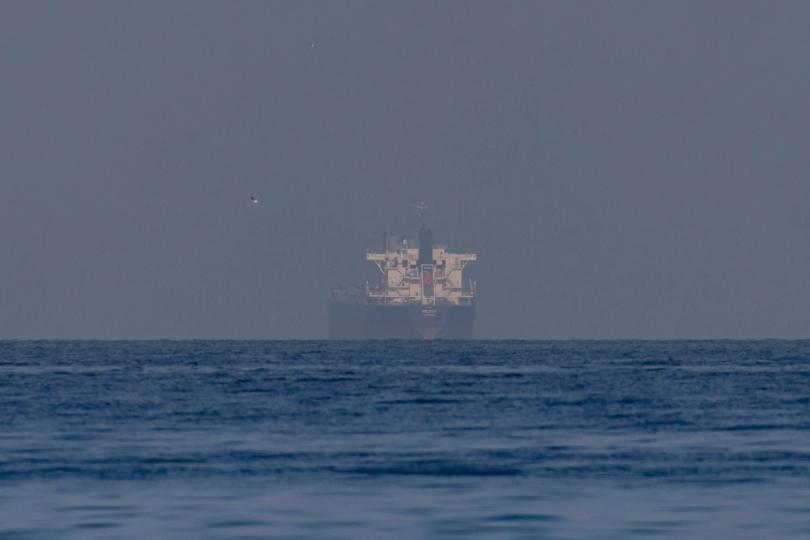
Iran is making efforts to turn the Strait of Hormuz into an insurance hub.
Fars News reported that Iran's Ministry of Economy has been working on a plan to manage shipping through the strait using maritime insurance policies and financial responsibility certificates, with payments settled in bitcoin.
A platform called Hormuz Safe is said to offer protection for maritime cargo moving through the Persian Gulf, the Strait of Hormuz, and surrounding waters. Fars stated that insurance policies would be issued quickly, complete with cryptographic verification, and activated as soon as payment is confirmed.
A digitally signed receipt would then be provided to the cargo owners. The website listed in the report appears to only display a homepage. Full policy terms, underwriters, exclusions, and claims procedures are not immediately available.
CoinDesk could not independently verify whether Hormuz Safe is operational or if any cargo owners have used it.
Fars said the model could generate over $10 billion for Iran, but did not explain how the figure was calculated.
The plan seems to give Iran a way to monetize its position around the strait without directly charging ships. The Strait of Hormuz is one of the world's most critical energy chokepoints, with most global oil shipments passing through the area.
The insurance structure would be less direct than tolls. Cargo owners would not pay explicitly for passage, at least not in writing, but would instead purchase protection, financial responsibility certificates, or insurance related to inspections for ships crossing waters that Tehran can secure.
Iran has long been seeking ways to reduce its dependence on the dollar-based system under sanctions, which is where bitcoin comes in. Maritime insurance products settled in BTC would fit with these efforts, while also creating direct compliance risks for shipowners, traders, and insurance companies.
Payments to entities connected to the Iranian state could still trigger sanction risks, whether through banks, stablecoins, or bitcoin. Any company using Hormuz Safe would likely need a legal review before interacting with the platform.
The proposal is still in its early stages and details are scarce. However, if Hormuz Safe becomes operational, it would place bitcoin within one of the world's most sensitive trade routes, as a settlement tool for Iran-related insurance products linked to cargo movement through the Strait of Hormuz.
Iran may transform the Strait of Hormuz into a bitcoin insurance market, according to local reports
Marseille's Owner Injects €50.2 Million into the Football Club: A Strategic Move to Secure the...

Rebel Creamery LLC, a major ice cream brand, has filed for Chapter 11 bankruptcy following a...
Major ice cream brand seeks Chapter 11 bankruptcy after lawsuit

Cristiano Ronaldo and Georgina Rodriguez's Divorce Plan Revealed Sports.Fr
Kalshi Promo Code TSNEWS: Get $25 Prediction Bonus for UFC 330 Fights sports.yahoo.com
Klaim kuasai Selat Hormuz oleh Amerika Serikat dan dinamika perang yang melibatkan Iran

Netizen tidak senang dengan komentar-komentar yang diberikan

BTS mungkin kembali mengikuti Grammy setelah rekanan mereka, Recording Academy, mengumumkan revisi...
BTS mungkin tidak akan mengubah keputusan untuk mengabaikan Grammy karena deadline pengiriman musik...
Update terbaru tentang keputusan BTS untuk tidak mengirimkan musik mereka untuk dijadikan nominee...
Pihak Recording Academy mengumumkan akan kembali meninju keputusan untuk memperkenalkan kategori...

Sangyeop Sangyeop mengumumkan rencananya untuk menikah dengan seorang non-celebrity, mengejutkan...