




Hawaiian Electric Provides Statewide Power Restoration Update
Hawaiian Electric has issued a comprehensive update on the status of power restoration across the...
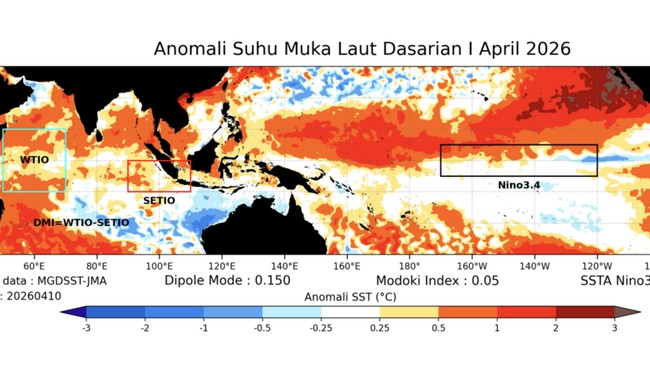
The world is bracing for a potentially devastating Super El Nino event that could bring extreme weather, drought, and economic losses. This phenomenon is not just a normal weather pattern, but a global climate disruptor that has been known to cause widespread damage and chaos.
In the past, Super El Nino events have been linked to severe droughts, floods, and heatwaves, resulting in significant economic losses and human suffering. The 1997-1998 El Nino event, for example, caused an estimated $5.7 trillion in economic losses globally.
The National Oceanic and Atmospheric Administration (NOAA) has predicted a 62% chance of an El Nino event occurring between June and August, with a significant chance of it strengthening by the end of the year.
Indonesia's National Research and Innovation Agency (BRIN) has also warned of a potential El Nino event, which could exacerbate drought and food shortages in the region.
El Nino occurs when the surface temperature of the Pacific Ocean warms up more than usual, affecting global weather patterns. In some cases, this warming can become so strong that it is referred to as a Super El Nino.
While scientists have improved their ability to predict El Nino events, the world is still not fully prepared for the potential consequences. Developing countries are particularly vulnerable to the impacts of El Nino, which can exacerbate existing economic and social challenges.
The effects of El Nino can be felt long after the event has passed, with lingering impacts on agriculture, water resources, and human health.
As the world grapples with the challenges of climate change, the potential for a Super El Nino event is a stark reminder of the need for greater preparedness and resilience in the face of extreme weather events.
What is a Super El Nino and why is it so dangerous? A Super El Nino is an extreme version of the El Nino phenomenon, where the surface temperature of the Pacific Ocean warms up significantly more than usual.
This can lead to severe weather events, droughts, and heatwaves, with significant economic and human impacts. The world needs to be prepared for the potential consequences of a Super El Nino event, which could exacerbate existing climate-related challenges.
Scientists are warning of a potentially catastrophic Super El Nino event that could bring extreme weather, drought, and economic losses.
Hawaiian Electric has issued a comprehensive update on the status of power restoration across the...

Darren Pai from Hawaiian Electric shares a critical 5 p.m. update on the ongoing power outage...

Stay informed about Tropical Storm Lala's impact on Hawaii, with updates on warnings, advisories,...

Rain Suspends Shelton-Faria ATP Tour Match
A comprehensive overview of the Sorrento Fire, including its impact, key facts, and future...
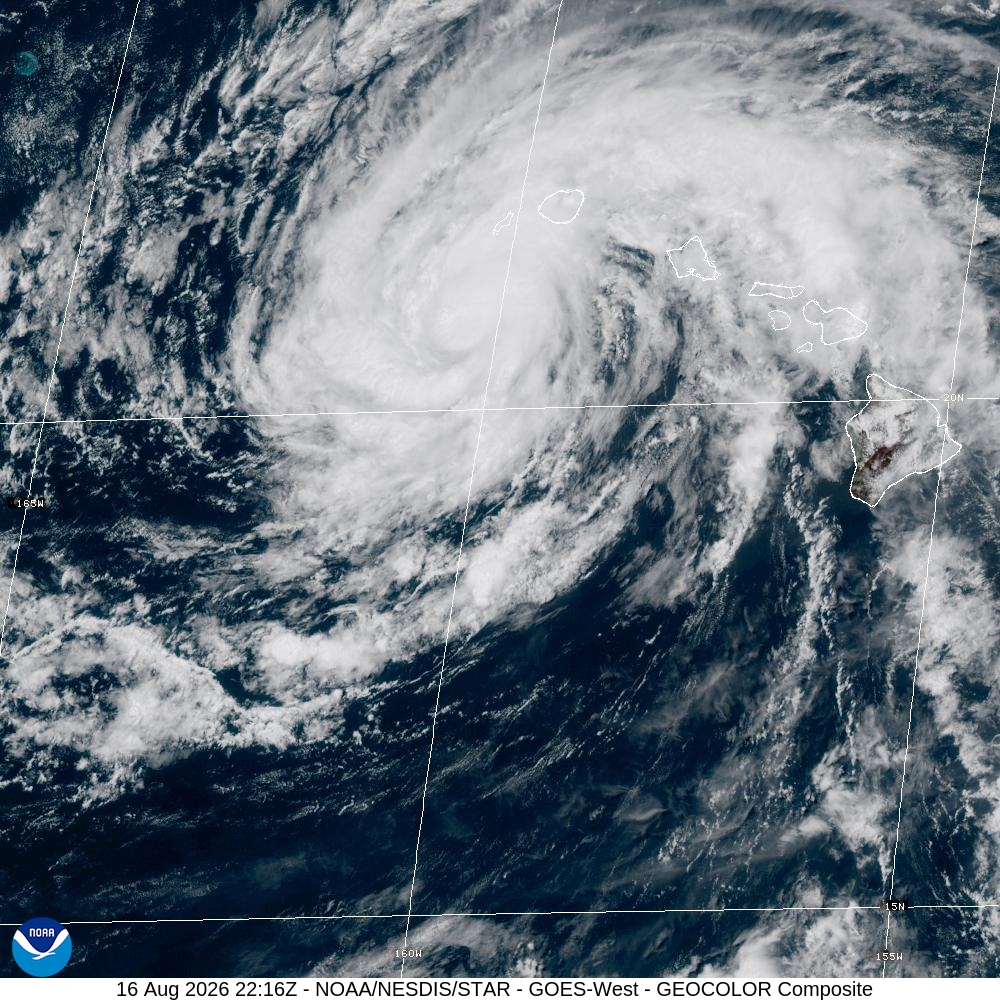
Tropical Storm Lala brought unprecedented rainfall and snowfall to Hawaii, raising questions about...

Netizen tidak senang dengan komentar-komentar yang diberikan

BTS mungkin kembali mengikuti Grammy setelah rekanan mereka, Recording Academy, mengumumkan revisi...
BTS mungkin tidak akan mengubah keputusan untuk mengabaikan Grammy karena deadline pengiriman musik...
Update terbaru tentang keputusan BTS untuk tidak mengirimkan musik mereka untuk dijadikan nominee...
Pihak Recording Academy mengumumkan akan kembali meninju keputusan untuk memperkenalkan kategori...

Sangyeop Sangyeop mengumumkan rencananya untuk menikah dengan seorang non-celebrity, mengejutkan...