




Attorney General Todd Blanche Weighs In On Voter-Roll Dispute, Considering Supreme Court Action
The US Department of Justice, led by Attorney General Todd Blanche, is contemplating taking the...
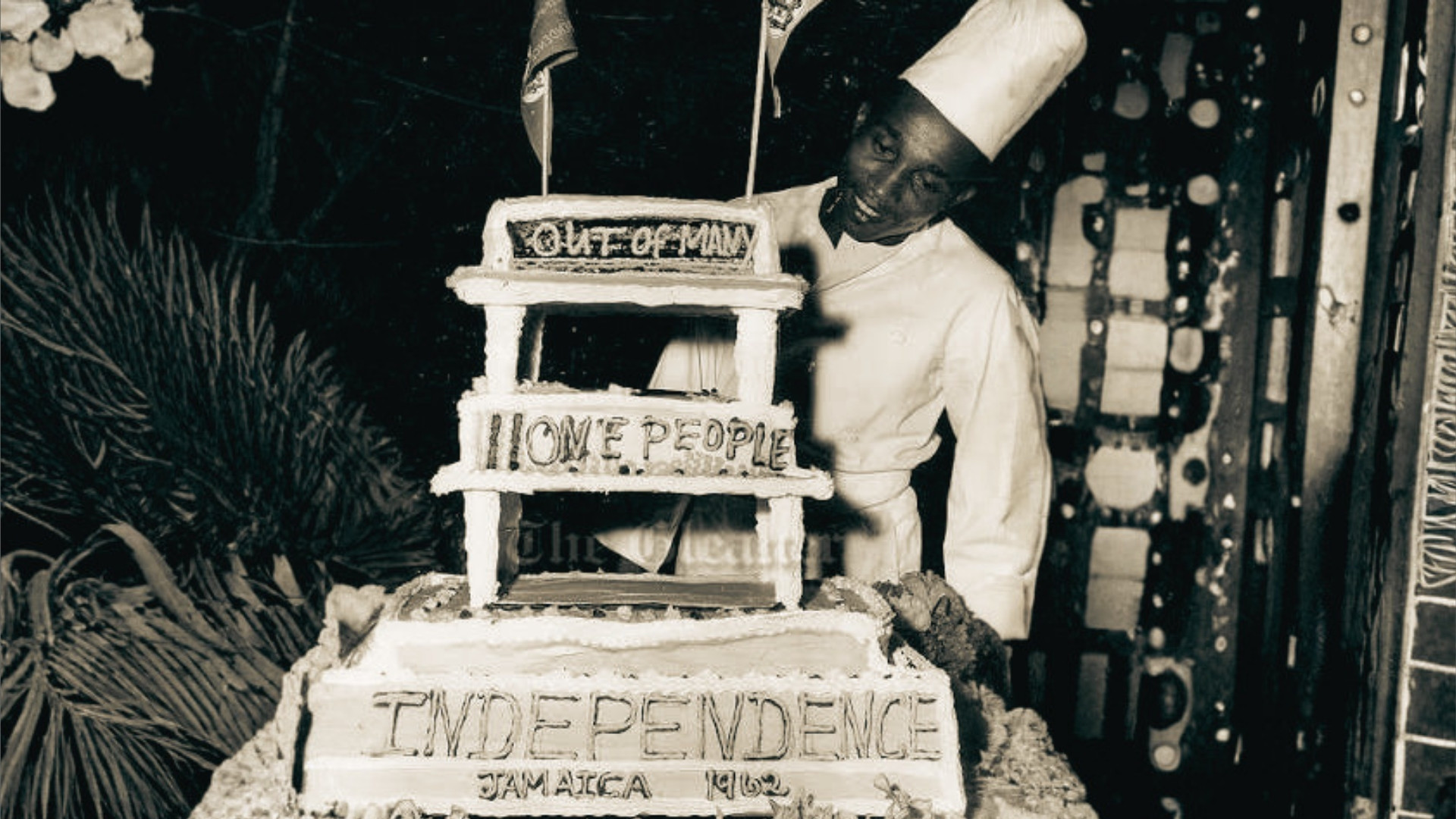
On August 6, 1962, Jamaica made history as it emerged as an independent nation, marking a significant milestone in the country's journey towards self-governance. This pivotal moment in the nation's history was the culmination of years of struggle and diplomacy by Jamaican leaders, who successfully negotiated independence from the United Kingdom. The island's declaration of independence was met with widespread celebration and jubilation, as Jamaicans from all walks of life came together to mark the occasion.
The road to independence was not an easy one. Jamaican leaders, including Alexander Bustamante, Norman Manley, and others, worked tirelessly to ensure that their country's voice was heard on the international stage. The country's constitutional talks with the British government were a significant turning point in Jamaica's quest for independence. These talks, which lasted several years, ultimately led to Jamaica's achievement of internal self-government in 1959, paving the way for full independence in 1962. For many Jamaicans, these developments were a beacon of hope and freedom, as they looked forward to a new era of self-determination and governance.
Beverly McLean, a Jamaican citizen who witnessed the historic event, recalled the sense of excitement and anticipation that filled the island in the months leading up to independence. 'The whole island was abuzz with preparation for the big day in August,' she remembered. As the nation prepared to celebrate, schoolchildren were taught the new national anthem, flag, and national pledge. This widespread participation reflected the importance of the occasion, as Jamaicans came together to celebrate their newfound status as an independent nation.
Other Jamaicans, such as Lorna Hunter, had a more intimate connection to the events of August 6, 1962. As a second-grade student at Jones Town Primary School, she was among the select group of students chosen to perform at the National Stadium. 'There was a sense of excitement in the air,' she remembered. 'We had to learn the new National Anthem.' Her memories of that day are still vivid today, including receiving a small Jamaican flag and a green souvenir cup. These mementos serve as a poignant reminder of the significance of that momentous day in Jamaican history.
For Marguerite Gauron, the most moving moment of Independence Day came when the British Union Jack was lowered, and Jamaica's green, black, and gold flag was raised. 'The most moving moment was when the British Union Jack was lowered, and Jamaica's green, black, and gold fluttered upwards into the night sky,' she remembered. This moment marked a new era for Jamaica, as the country bid farewell to its colonial past and forged ahead towards a future built on the principles of freedom, democracy, and self-governance.
CAW, who was 13 years old at the time, had a unique perspective on Independence Day. He remembered attending celebrations at the National Stadium, where he witnessed the lowering of the Union Jack and the raising of the Jamaican flag. However, what stands out in his memory is his attempt to submit his lyrics for Jamaica's national anthem. Although they were not selected, his experience highlights the widespread participation and creativity that characterized the country's celebration of independence.
Edward Brown, working as an assistant cameraman for the Jamaica Film Unit, had a bird's-eye view of the events of August 6, 1962. His memories of that day are still vivid today, including the meticulously rehearsed ceremony and his own frustration with a knot on the flag rope, which momentarily delayed the proceedings. When the flag was finally raised, he remembered the sense of pride and wonder that filled the stadium.
Jean Lowrie-Chin, a schoolchild who performed at the National Stadium, has never fallen out of love with her country. 'The colours of the flag, the majesty of our anthem, the joy of family and friends—I fell passionately in love with my country and have never fallen out,' she remembered. Her experience and enthusiasm reflect the strong sense of national pride that pervaded the celebrations of August 6, 1962.
As we celebrate Jamaica's 64th anniversary of independence, we honor not only the events of that historic day but also the memories and experiences of those who lived it. These stories serve as a testament to the resilience, determination, and creativity of the Jamaican people, who have consistently demonstrated their capacity for self-governance and nation-building.
We invite readers to share their own memories and experiences of August 6, 1962, by sending them to [email protected]. Your stories and images will help preserve this important chapter in Jamaica's history for future generations.
The lessons and legacy of Jamaica's independence are far-reaching and continue to inspire nations around the world. As we reflect on the significance of that day, we are reminded of the importance of self-determination, democracy, and human rights. As Jamaica continues to evolve and grow as a nation, it is essential to honor the sacrifices and achievements of those who worked tirelessly to bring about this momentous occasion.
Let us continue to celebrate and cherish this vital part of our collective heritage, as we work together to build a brighter, more inclusive, and prosperous future for Jamaicans at home and in the diaspora.
Jamaica's Journey to Independence: A Look Back at August 6, 1962
The US Department of Justice, led by Attorney General Todd Blanche, is contemplating taking the...
Israel's National Security Chief Advocates Mass Killing in Gaza: A Devastating Policy Proposal

Delving into the life and career of Samira Said, a former ABC News journalist who has accused CBS...
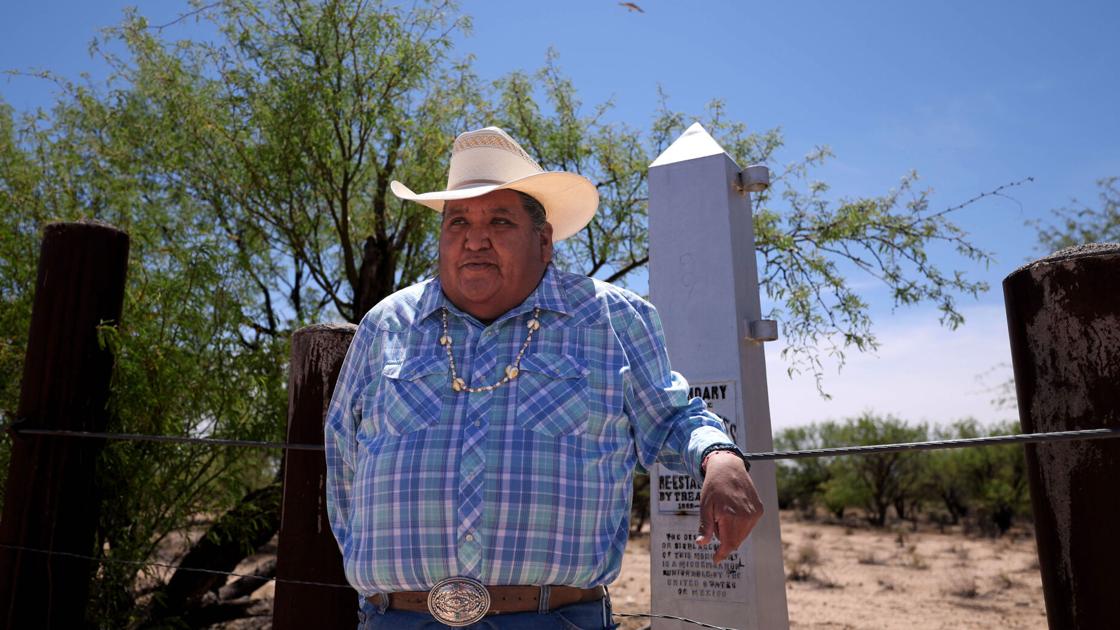
a federal judge has refused a bid by the tohono o'odham nation to immediately block construction of...
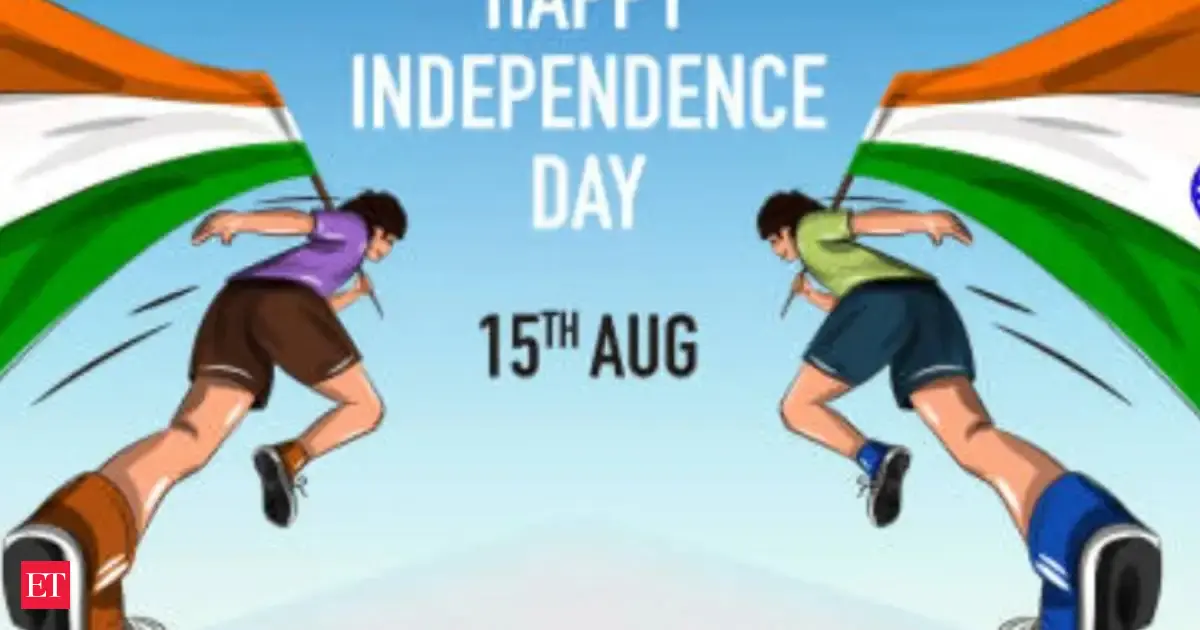
Happy Independence Day 2026: Celebrating 80 years of India's independence, freedom, unity, and...

Judge refuses to block Trump administration's border wall plans along Tohono O'odham reservation -...

Netizen tidak senang dengan komentar-komentar yang diberikan

BTS mungkin kembali mengikuti Grammy setelah rekanan mereka, Recording Academy, mengumumkan revisi...
BTS mungkin tidak akan mengubah keputusan untuk mengabaikan Grammy karena deadline pengiriman musik...
Update terbaru tentang keputusan BTS untuk tidak mengirimkan musik mereka untuk dijadikan nominee...
Pihak Recording Academy mengumumkan akan kembali meninju keputusan untuk memperkenalkan kategori...

Sangyeop Sangyeop mengumumkan rencananya untuk menikah dengan seorang non-celebrity, mengejutkan...