

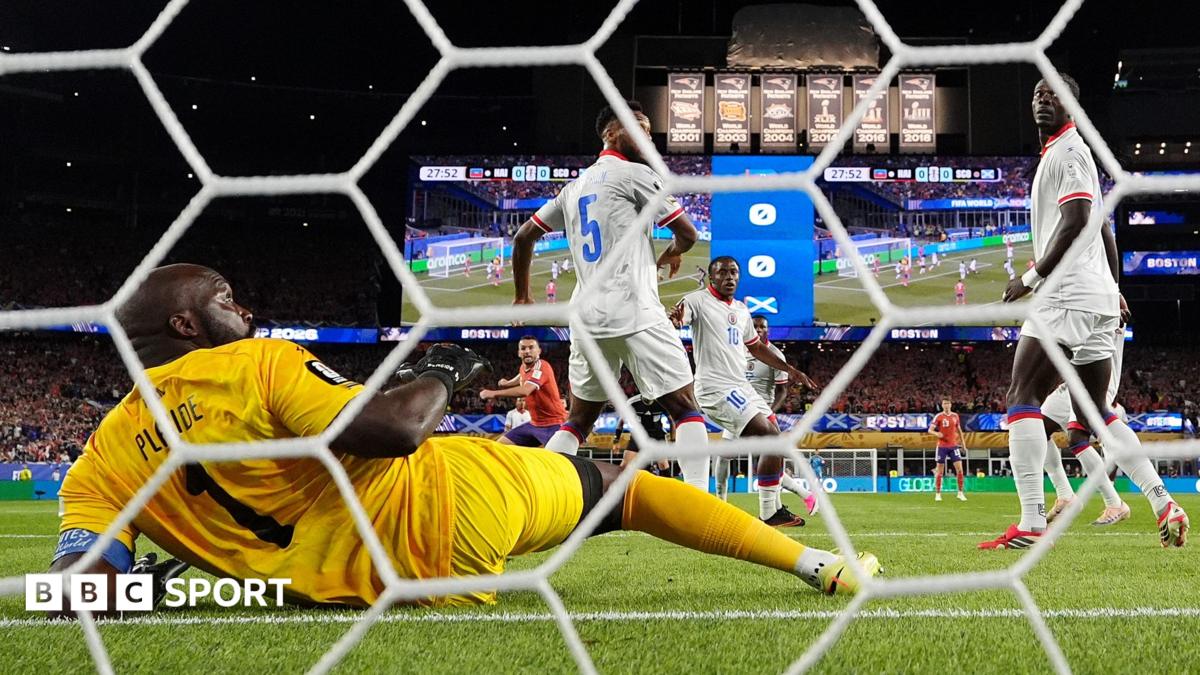



Donald Trump Orders Substantial Reduction of US-South Korea Military Drills Amid Tensions with North Korea
Donald Trump orders Pentagon to scale back joint military exercises with South Korea, citing his...
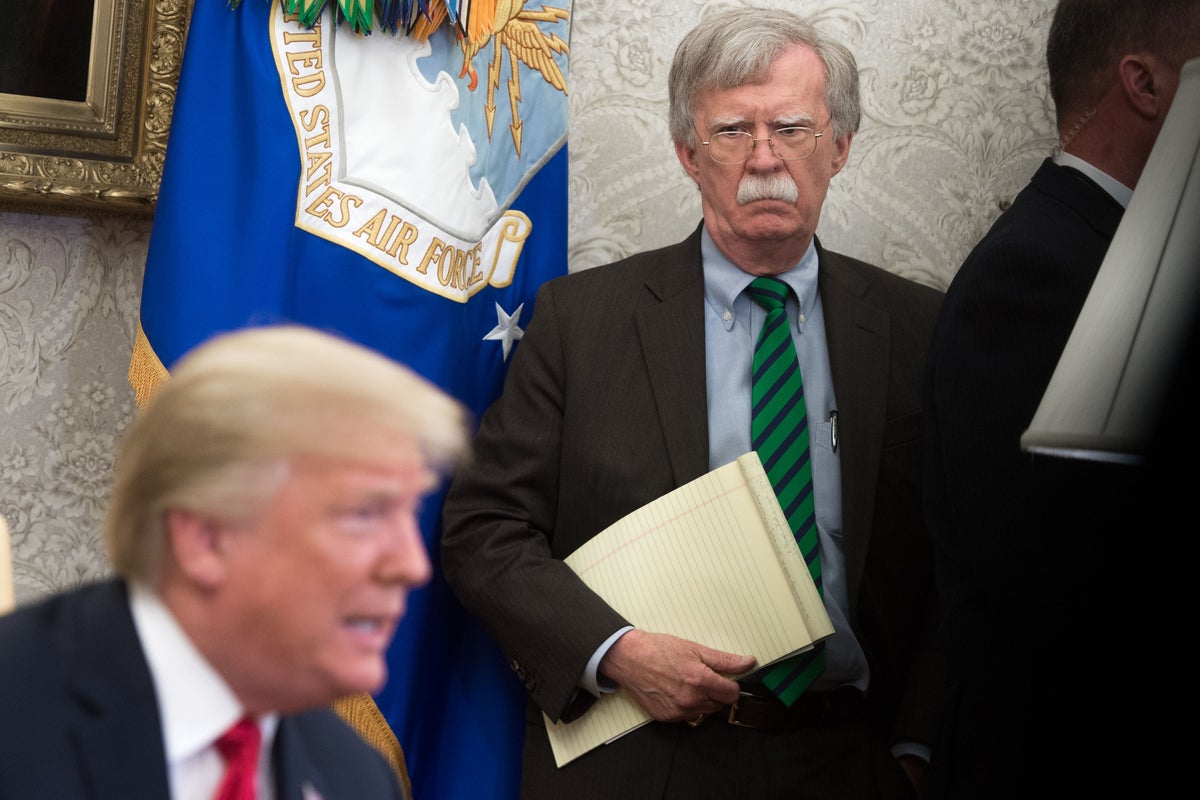
John Bolton, a prominent critic of Donald Trump who served as his national security adviser, is poised to plead guilty to mishandling classified information. The agreement with federal prosecutors includes a $2.25 million fine, according to three sources familiar with the deal. Bolton is expected to enter a guilty plea to one count of retaining classified information, specifically related to diary entries detailing his work during Trump’s first term. This move comes after Bolton had previously pleaded not guilty to 18 criminal charges, encompassing both the transmission and retention of national defense information. The case has been closely watched due to its implications for the handling of classified information and the potential consequences for those who mishandle it.
The court hearing is scheduled for Friday in Greenbelt, Maryland, where Bolton will formally enter his guilty plea. While the deal recommends a sentencing range from no prison time up to five years behind bars, a federal judge will ultimately determine the final sentence. This case is one of several initiated by Trump’s Justice Department against individuals critical of the president, a pattern that has been seen as departing from long-standing norms designed to shield federal law enforcement from political pressures. The Justice Department’s actions have raised eyebrows, with many questioning the motives behind these prosecutions. Bolton’s case, in particular, has drawn attention due to his high-profile position and his subsequent criticism of Trump, which has been vocal and unrelenting.
Bolton was initially accused of sharing sensitive information with two relatives for a book he was writing, including notes from intelligence briefings and meetings with senior government officials and foreign leaders. However, sources familiar with the plea agreement clarified that it does not allege wrongdoing concerning Bolton’s book itself, but rather that Bolton acknowledges making a mistake. This distinction is crucial, as it separates the plea from any potential First Amendment issues related to the publication of his memoir. Trump’s Justice Department had previously attempted, unsuccessfully, to block the publication of Bolton’s book, which criticized Trump’s temperament and decision-making, alleging it contained classified information. The book became a bestseller and provided a unique insight into the inner workings of the Trump administration.
The investigation into Bolton began before Trump returned to office in 2025 and was supported by career federal prosecutors, which sets it apart from some other cases brought against Trump’s critics. The Justice Department also brought criminal cases against former FBI Director James Comey and New York Attorney General Letitia James, both of whom had led investigations into Trump or his businesses. Those cases were later dismissed by a federal judge, though a second set of charges has since been brought against Comey. Other critics of Trump have also faced investigations, with a wide-ranging probe currently seeking to establish that prior investigations of Trump constituted a criminal conspiracy against him. This climate of legal action against critics and investigators has created a tense political landscape, with many arguing that it undermines the rule of law and the principles of justice.
Bolton’s transition from a key adviser in Trump’s first term to one of his most outspoken critics has been nothing short of dramatic. He famously described Trump in a memoir as “unfit to serve as president,” a statement that encapsulated his disillusionment with the administration. Bolton’s critique of Trump has been comprehensive, covering everything from foreign policy decisions to personal character traits. His voice has been significant in the chorus of criticism against Trump, and his legal case has become a focal point in discussions about accountability and the proper handling of classified information. As the case unfolds, it will be interesting to see how it affects the broader political discourse and the ongoing debates about national security and governance.
The implications of Bolton’s guilty plea are multifaceted and far-reaching. On one hand, it underscores the seriousness with which the legal system treats the mishandling of classified information, a principle that is fundamental to national security. On the other hand, it raises questions about the selective prosecution of individuals who are critical of the president, and whether this undermines the independence of the judiciary and the integrity of the legal process. As the United States navigates its complex political and legal landscape, cases like Bolton’s serve as a reminder of the delicate balance between national security, personal freedom, and political accountability. The future outlook for similar cases remains uncertain, with many awaiting the outcome of Bolton’s sentencing and its potential impact on forthcoming legal battles.
Looking ahead, the handling of classified information and the legal consequences for those who mishandle it will continue to be a critical issue. The case against John Bolton serves as a poignant reminder of the importance of adhering to legal standards and ethical guidelines when dealing with sensitive information. As the political environment continues to evolve, with new challenges and controversies emerging, the importance of upholding the law and respecting the principles of justice cannot be overstated. The public will be watching closely as this case reaches its conclusion, and its implications will undoubtedly be felt for years to come. The debate about the proper handling of classified information, the role of the Justice Department in political cases, and the accountability of high-ranking officials will persist, shaping the legal and political landscape of the United States in profound ways.
In conclusion, John Bolton’s decision to plead guilty to mishandling classified information marks a significant development in a case that has garnered considerable attention. The background to this case, including Bolton’s role in the Trump administration and his subsequent criticism of the president, provides a rich context for understanding the legal and political implications of his guilty plea. As the case moves forward, with a court hearing scheduled and a sentencing decision pending, the public will be eagerly awaiting the outcome. The analysis of this case, considering the who, what, when, where, and why of the events leading up to the guilty plea, offers a nuanced view of the complex interplay between law, politics, and national security. The future outlook, while uncertain, is likely to be shaped by the handling of this case and the precedents it sets for the prosecution of similar offenses in the future.
John Bolton, former national security adviser to Donald Trump, is set to plead guilty to mishandling classified information, marking a significant development in a case that has sparked controversy and raised questions about the handling of sensitive information by high-ranking government officials.
Donald Trump orders Pentagon to scale back joint military exercises with South Korea, citing his...
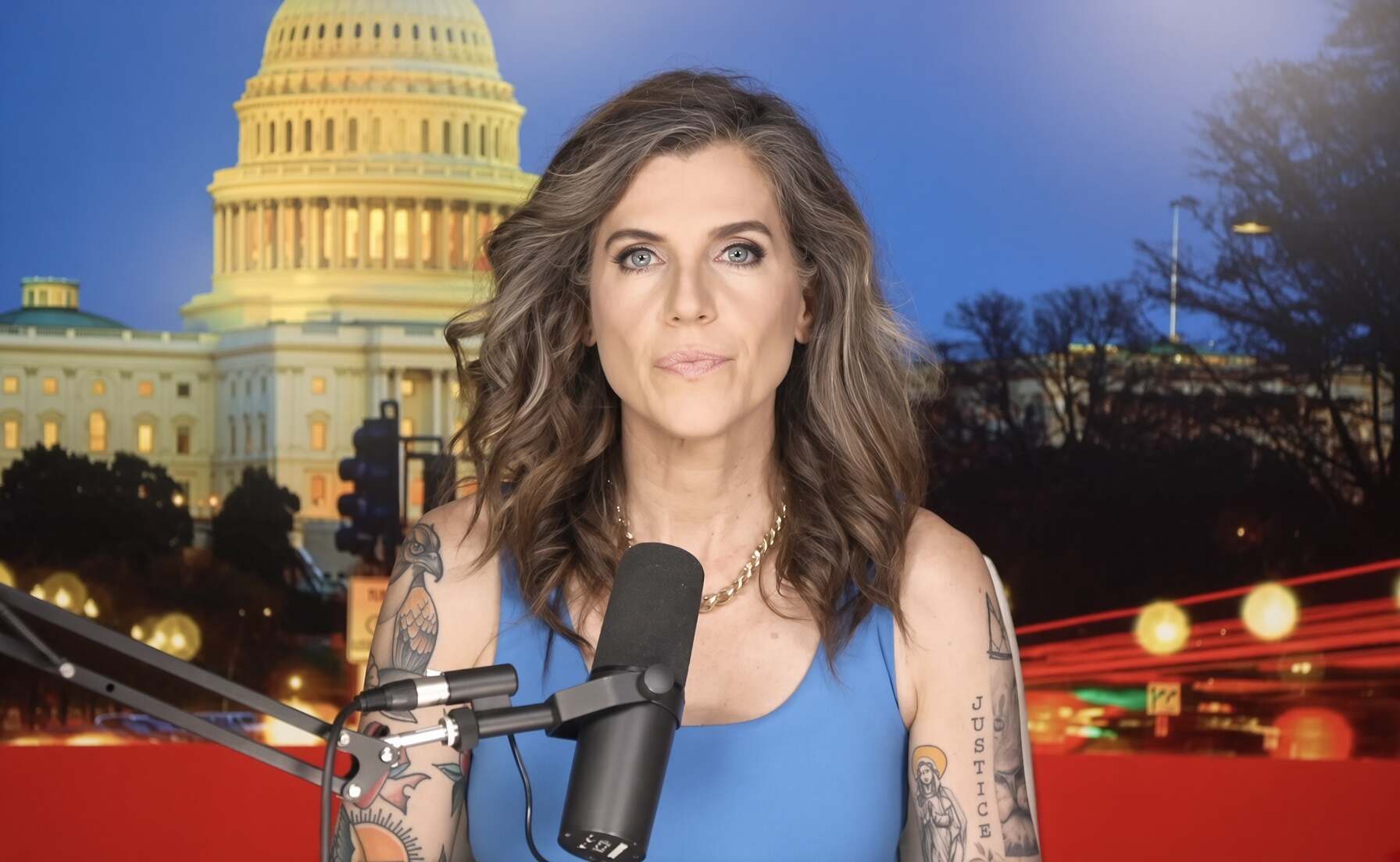
FITSNews reports on Nancy Mace's transition from outgoing congresswoman to online talk show host,...

President Trump's recent order for the Pentagon to curtail military exercises with South Korea has...
President Donald Trump Orders Pentagon to Scale Back Joint Exercises with South Korea as Part of...
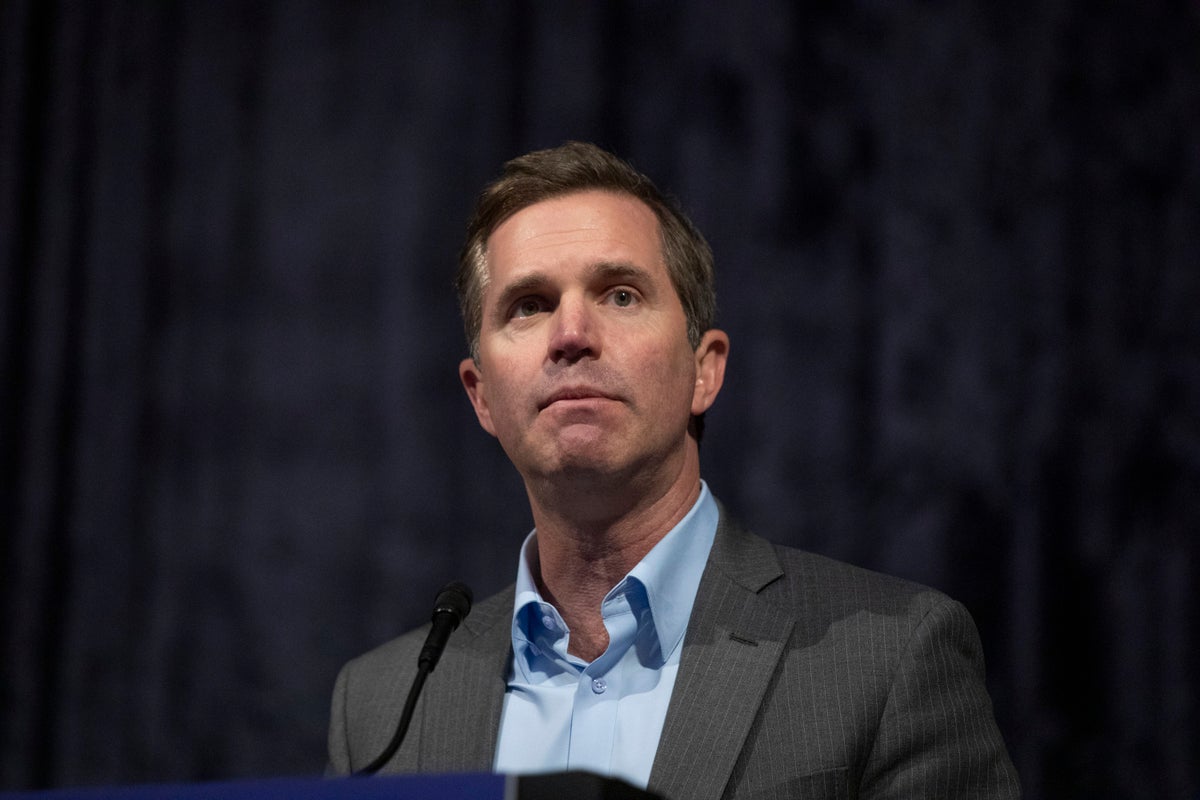
Kentucky governor Andy Beshear criticizes McConnell's lack of transparency about his health
Kentucky Governor Andy Beshear has spoken out about the lack of communication from Senator Mitch...

Netizen tidak senang dengan komentar-komentar yang diberikan

BTS mungkin kembali mengikuti Grammy setelah rekanan mereka, Recording Academy, mengumumkan revisi...
BTS mungkin tidak akan mengubah keputusan untuk mengabaikan Grammy karena deadline pengiriman musik...
Update terbaru tentang keputusan BTS untuk tidak mengirimkan musik mereka untuk dijadikan nominee...
Pihak Recording Academy mengumumkan akan kembali meninju keputusan untuk memperkenalkan kategori...

Sangyeop Sangyeop mengumumkan rencananya untuk menikah dengan seorang non-celebrity, mengejutkan...