




The Independence of the US Department of Justice: Todd Blanche's Uncertain Pledge
The Importance of an Independent US Department of Justice: Understanding Todd Blanche's Remarks

A judge in Boston has made a significant decision, dismissing a Trump administration lawsuit that accused Harvard University of ignoring harassment of Jewish students. The lawsuit, filed in March, claimed that Harvard failed to protect its Jewish students during pro-Palestinian demonstrations that took place on campus after Hamas' attacks on Israel in October 2023. The Trump administration argued that Harvard officials did nothing as Jewish students were harassed, physically assaulted, stalked, and spat upon. However, Judge Richard G. Stearns disagreed, stating that the incidents cited in the lawsuit were 'too isolated and episodic' to prove a persistent civil rights violation.
The judge's decision is a major setback for the Trump administration, which had sought to recover billions of dollars in federal research grants awarded to Harvard since October 2023. The government's case claimed that they had a right to recoup the money under Title VI of the Civil Rights Act of 1964, a federal law barring discrimination based on race or national origin. Harvard, on the other hand, maintains that it is committed to ensuring its Jewish community is respected and that it has taken proactive steps to address the root causes of antisemitism on campus.
Harvard's commitment to addressing antisemitism is evident in its statement after the lawsuit was filed, which reads: 'We care deeply about members of our Jewish and Israeli community and remain committed to ensuring they are embraced, respected, and can thrive on our campus.' The university has also actively enforced anti-harassment and anti-discrimination rules and policies, as stated in its statement.
The judge's decision is not the first time that the Trump administration has faced criticism for its handling of antisemitism on campus. In a separate legal case last year, a federal judge ordered the administration to reverse more than $2.6 billion in federal funding cuts to Harvard. The decision found that the White House put unconstitutional conditions on federal funding, using antisemitism as a 'smokescreen for a targeted, ideologically-motivated assault' on universities.
The Trump administration's actions regarding Harvard have sparked controversy and outrage from both within and outside the university community. Many have questioned the administration's motives, with some accusing them of using antisemitism as a tool to gain political leverage. Harvard President Larry Bacow has also spoken out against the administration's actions, stating that they are 'a serious attack on the freedoms and rights of our students and faculty.'
The implications of the judge's decision are far-reaching, with many seeing it as a victory for the university and its commitment to addressing antisemitism. The decision also sets a precedent for future cases, demonstrating that isolated incidents do not necessarily constitute a persistent civil rights violation. It remains to be seen how the Trump administration will respond to the decision, but one thing is certain: the debate over antisemitism on campus is far from over.
Looking ahead, the situation on campus is likely to continue evolving. Harvard has stated its commitment to addressing antisemitism and ensuring a safe and inclusive environment for all students, regardless of their background or identity. The university has also taken steps to increase support for its Jewish community, including the creation of a new support center and the implementation of additional security measures. As the situation continues to unfold, it is clear that Harvard will remain a critical player in the national conversation about antisemitism and its presence on campus.
Judge Dismisses Trump Administration Lawsuit Alleging Antisemitism at Harvard University Bozeman Daily Chronicle



The Importance of an Independent US Department of Justice: Understanding Todd Blanche's Remarks
Donald Trump orders Pentagon to scale back joint military exercises with South Korea, citing his...
Representative Nancy Mace embarks on a new journey, unveiling her full sleeves of long-concealed...
The decision to cut back on military drills with South Korea has significant implications for...
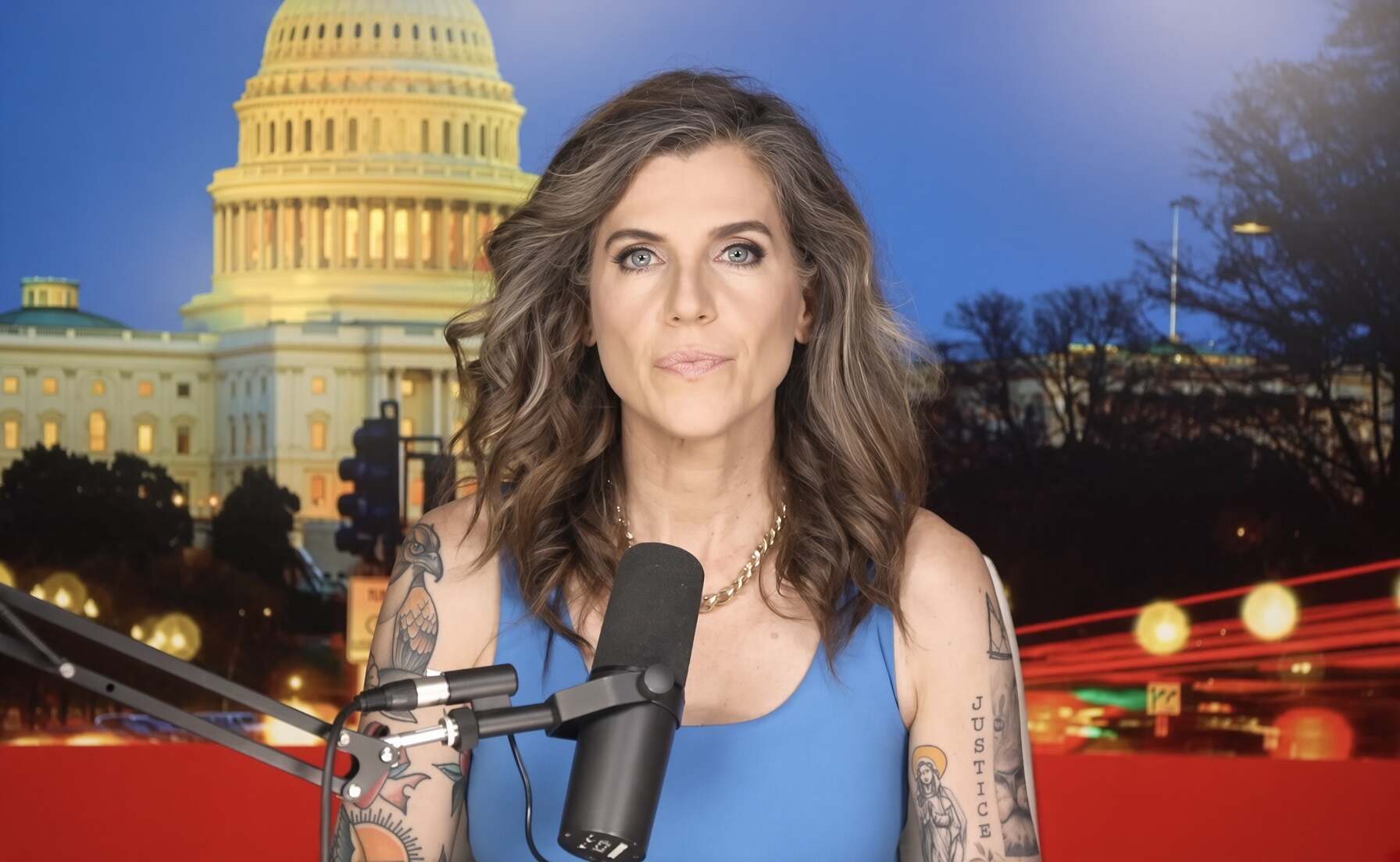
FITSNews reports on Nancy Mace's transition from outgoing congresswoman to online talk show host,...
President Trump's recent order for the Pentagon to curtail military exercises with South Korea has...

Netizen tidak senang dengan komentar-komentar yang diberikan

BTS mungkin kembali mengikuti Grammy setelah rekanan mereka, Recording Academy, mengumumkan revisi...
BTS mungkin tidak akan mengubah keputusan untuk mengabaikan Grammy karena deadline pengiriman musik...
Update terbaru tentang keputusan BTS untuk tidak mengirimkan musik mereka untuk dijadikan nominee...
Pihak Recording Academy mengumumkan akan kembali meninju keputusan untuk memperkenalkan kategori...

Sangyeop Sangyeop mengumumkan rencananya untuk menikah dengan seorang non-celebrity, mengejutkan...