



Penilaian Kritik Terhadap J-Hope dan RM dari BTS
Netizen tidak senang dengan komentar-komentar yang diberikan

New lineup tests the value of nostalgia in today's K-pop market
Former hit girl group Secret is embarking on a new chapter, returning with its first new music for the first time in 12 years and introducing a new member in place of two original members.
The comeback has drawn attention not only because of the group's lengthy hiatus, but also because it reflects a growing trend in K-pop. As the cost of launching rookie groups continues to rise, more companies are finding value in reviving familiar brands.
"Secret Flavor," released last Thursday, marks Secret's first album since 2014's "Secret Summer," led by "I'm In Love." The special EP introduces a new three-member lineup consisting of original members Jun Hyo-seong and Zinger alongside newly recruited member Yebin.
Its main track, "Ice Cream," is a breezy mid-tempo pop dance song built around a sample of Antonio Vivaldi's "Spring." The song captures fleeting emotions that melt away like ice cream while expressing a wish for those moments to last forever.
"Ice Cream" (Embedded Track)
In addition to another new track, "Get Right," the EP includes 2026 remakes of Secret's signature hits, including "Madonna," "Shy Boy," "Starlight Moonlight" and "Love Is Move," showcasing the group's evolution and ability to adapt to changing tastes.
The timing may work in Secret's favor. Nostalgia among listeners in their 30s and older has become an increasingly powerful force in the music market, fueling reunions and comeback projects from groups that have been inactive for years.
However, the group's revival comes with challenges. The new lineup differs significantly from Secret's most commercially successful years, with original members Song Ji-eun and Han Sun-hwa absent from the reunion.
Musical critic Lim Hee-yun pointed out that while the addition of a younger member may create some challenges, it also brings a fresh atmosphere to the group and acknowledges K-pop's existing hierarchy.
"From a company's perspective, this is probably a cost-effective choice," Lim said. "Rather than investing tens of billions of won into a rookie group that may or may not gain traction, restoring an existing IP with name recognition can offer a more predictable return."
Secret's comeback and the re-emergence of other 90s Korean groups such as Kara and S.E.S. highlights K-pop's ongoing struggle to find the right balance between nostalgia and new talent.
While there have been numerous comeback projects in K-pop lately, Secret's move is significant not only because of the time gap between their comebacks but also because they have undergone significant lineup changes.
The success of Secret's comeback, coupled with the growing trend of K-pop groups revisiting their roots, raises questions about the sustainability of this nostalgic approach in the long run.
As the K-pop industry continues to grow, it is essential to address these challenges and create pathways for both nostalgic and new talent to thrive, ensuring the genre's continued evolution and success.
Veteran girl group Secret returns with its first new music in 12 years and a revamped lineup, sparking a wider trend in K-pop towards nostalgic reboots.
Netizen tidak senang dengan komentar-komentar yang diberikan
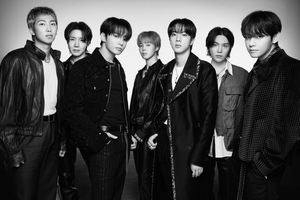
Pihak Recording Academy mengumumkan akan kembali meninju keputusan untuk memperkenalkan kategori...
Update terbaru tentang keputusan BTS untuk tidak mengirimkan musik mereka untuk dijadikan nominee...
BTS mungkin tidak akan mengubah keputusan untuk mengabaikan Grammy karena deadline pengiriman musik...
BTS mungkin kembali mengikuti Grammy setelah rekanan mereka, Recording Academy, mengumumkan revisi...

Seorang anggota boy group tak terduga mengumumkan perayaannya pribadi dengan non-kepribadian,...
Sangyeop Sangyeop mengumumkan rencananya untuk menikah dengan seorang non-celebrity, mengejutkan...
Anggota grup pria mendadak mengumumkan pernikahannya dengan seorang non-celebrity, membuat...
Choi Sangyeop dari boy group LUCY mengejutkan fans dan netizen dengan pengumuman pernikahannya yang...
Pengumuman pernikahan mendadak anggota boy group dengan seorang non-selebriti mengejutkan penggemar...
Anggota grup musik telah mengumumkan pernikahannya mendadak dengan sosok non-artist, mengejutkan...

Bintang Korea Kim Seung Hye menunjukkan kebersamaannya dengan para ibu hamil yang menghadapi...