



Penilaian Kritik Terhadap J-Hope dan RM dari BTS
Netizen tidak senang dengan komentar-komentar yang diberikan
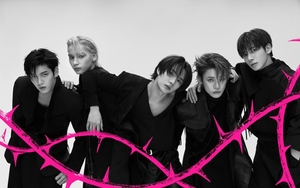
A growing number of K-pop boy groups are looking to the dance-pop's past as they shape its future. In recent years, many idol releases have been built around short-form-friendly hooks, easy-listening melodies, and highly segmented song structures optimized for social media consumption. But some of K-pop’s leading male acts are increasingly embracing a more traditional approach to dance-pop — one characterized by strong melodic lines, dramatic song progression, and clear verse-chorus-bridge structures.
The trend comes as girl groups such as Le Sserafim, Illit, Katseye, and Izna have helped fuel a broader revival of electronic dance music through house- and techno-inspired releases. Among male acts, however, the movement has taken a different form, drawing inspiration from the dance-pop formula that dominated K-pop during the 2000s.
Among the most prominent examples are Tomorrow X Together and BoyNextDoor. Released in April, the lead track of Tomorrow X Together’s eighth EP, “Stick With You,” recalls the emotional sensibilities of early-2000s K-pop through its minor-key melodies and dramatic progression. Rather than relying heavily on trendy synth-driven production, the song places greater emphasis on vocal harmonies and melodic storytelling as it gradually builds emotional momentum.
BoyNextDoor has adopted a similar approach with “Viral,” the lead track of its first album, “Home.” The song opens with relatively restrained vocals before gradually layering instrumentation and expanding into a larger arrangement. Featuring a clear progression from verse to chorus, alongside a prominent hook, dramatic bridge, and dance break, the track evokes elements of K-pop’s earlier dance-pop traditions while maintaining a contemporary sound.
According to leader Jaehyun, the approach was intentional. “When preparing this album, we thought that what might be considered the classic grammar of K-pop — clear narrative progression, performance-focused choreography, and songs with distinct emotional highs and lows — could actually feel unique when BoyNextDoor does it,” he said during a recent round interview with press early June. “We wondered if audiences might be craving that kind of music again: songs that run longer than three minutes, feature dramatic structures, emotional bridges, high notes, and dance breaks.”
The comments suggest that some artists see room for a return to fully developed song structures at a time when many releases are optimized for short-form platforms. The resurgence of this structure has also produced strong commercial results. Tomorrow X Together achieved five music show wins with “Stick With You,” while reaching as high as No. 2 on the Billboard 200 albums chart. BoyNextDoor surpassed 1 million first-week album sales with “Home,” becoming a four-time million seller.
The movement extends beyond dance-pop, too. YG Entertainment’s Treasure recently returned with lead track “If I,” which draws from hip-hop's earlier foundations within the K-pop industry rather than contemporary pop trends. Built around heavy beats and raw rap performances, the song focuses on the core appeal of hip-hop and surpassed 100 million YouTube views within 11 days of release.
“Rather than recreating sounds of earlier eras, artists are rebuilding familiar K-pop sounds and formulas through modern production techniques, performance styles, and visual aesthetics,” added music critic Lim Hee-yun. “For younger listeners, the structure and storytelling may feel refreshingly different from current trends. For older audiences who grew up with earlier generations of K-pop, the songs offer a sense of familiarity filtered through a contemporary lens.”
As the K-pop industry continues to evolve, it will be interesting to see how this trend develops and whether it will have a lasting impact on the genre. With the rise of social media, the music landscape has changed significantly, and artists must adapt to these changes to remain relevant. However, by embracing traditional sounds and structures, K-pop artists may be able to tap into a sense of nostalgia and create a new sound that is both familiar and innovative.
The future of K-pop is uncertain, but one thing is clear: the genre will continue to evolve and change. As artists experiment with new sounds and styles, fans will be treated to a diverse range of music that reflects the ever-changing landscape of the industry. With the resurgence of traditional dance-pop sounds, K-pop may be on the verge of a new era, one that combines the best of the past with the energy and innovation of the present.
Only time will tell how this trend will play out, but for now, fans can enjoy the unique sound and style that these artists are bringing to the table. With their blend of traditional and modern elements, Tomorrow X Together, BoyNextDoor, and other K-pop artists are pushing the boundaries of the genre and creating a new and exciting sound that is sure to captivate audiences around the world.
A growing number of K-pop boy groups are embracing a more traditional approach to dance-pop, characterized by strong melodic lines, dramatic song progression, and clear verse-chorus-bridge structures.
Netizen tidak senang dengan komentar-komentar yang diberikan
Pihak Recording Academy mengumumkan akan kembali meninju keputusan untuk memperkenalkan kategori...
Update terbaru tentang keputusan BTS untuk tidak mengirimkan musik mereka untuk dijadikan nominee...
BTS mungkin tidak akan mengubah keputusan untuk mengabaikan Grammy karena deadline pengiriman musik...
BTS mungkin kembali mengikuti Grammy setelah rekanan mereka, Recording Academy, mengumumkan revisi...

Seorang anggota boy group tak terduga mengumumkan perayaannya pribadi dengan non-kepribadian,...
Sangyeop Sangyeop mengumumkan rencananya untuk menikah dengan seorang non-celebrity, mengejutkan...
Anggota grup pria mendadak mengumumkan pernikahannya dengan seorang non-celebrity, membuat...
Choi Sangyeop dari boy group LUCY mengejutkan fans dan netizen dengan pengumuman pernikahannya yang...
Pengumuman pernikahan mendadak anggota boy group dengan seorang non-selebriti mengejutkan penggemar...
Anggota grup musik telah mengumumkan pernikahannya mendadak dengan sosok non-artist, mengejutkan...

Bintang Korea Kim Seung Hye menunjukkan kebersamaannya dengan para ibu hamil yang menghadapi...