




The Independence of the US Department of Justice: Todd Blanche's Uncertain Pledge
The Importance of an Independent US Department of Justice: Understanding Todd Blanche's Remarks
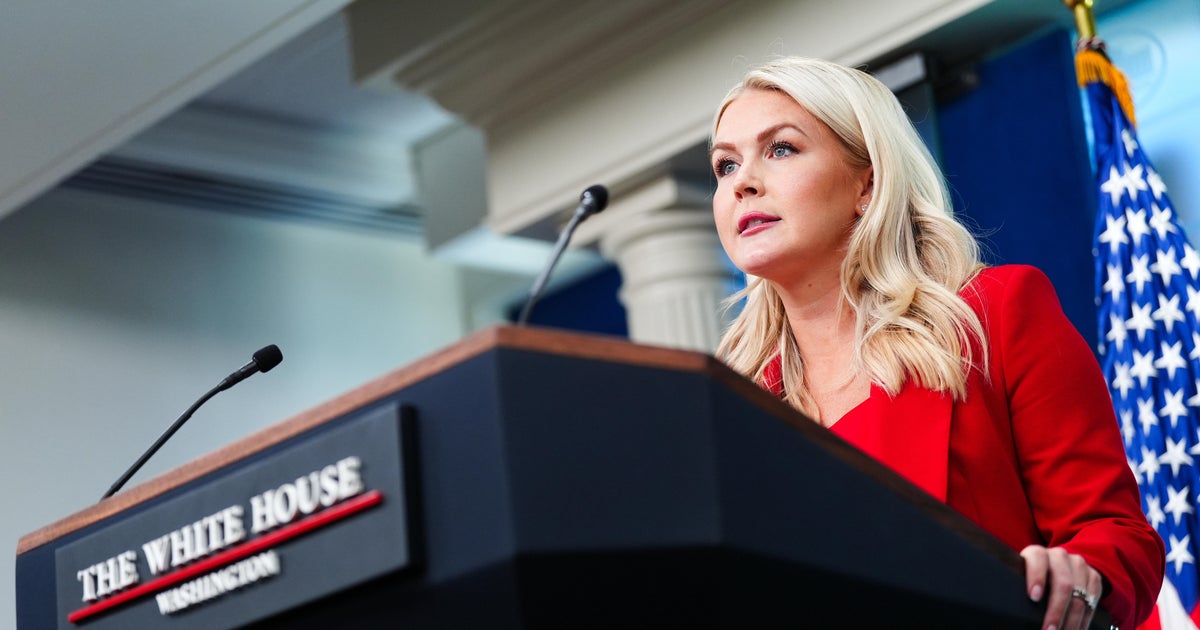
Karoline Leavitt, who has been serving as the White House press secretary since the beginning of President Trump's second term, has announced that she will be exiting her role at the end of August. This decision comes as a surprise to many, given her relatively short tenure in the position and her notable presence in the White House press briefings. Leavitt has been a key figure in the Trump administration, known for her ability to navigate complex policy issues and communicate them effectively to the press and the public. Her departure will undoubtedly be felt, and it raises questions about who will fill the void she leaves behind. The timing of her exit, just weeks before the midterm elections, adds an extra layer of complexity to the situation.
President Trump announced Leavitt's departure on Truth Social, praising her for her exceptional service and dedication to the role. He also announced that Leavitt will be taking on a new role as one of his top outside advisers, where she will continue to be a vocal advocate for the Republican Party and the president's agenda. This move is seen as a strategic one, allowing Leavitt to maintain her influence and connection to the administration while also pursuing other opportunities. Leavitt's ability to balance her professional and personal life has been a subject of interest, particularly given her recent return to the White House after the birth of her second child. Her decision to step down from the press secretary role is reportedly driven by a desire to spend more time with her family and focus on her personal well-being.
The search for Leavitt's replacement is already underway, with several candidates being considered for the position. The role of White House press secretary is a critical one, requiring a unique blend of communication skills, policy knowledge, and the ability to think on one's feet. The person who fills this role will need to be able to navigate the complex and often contentious world of White House press briefings, while also serving as a key spokesperson for the administration. The fact that the midterm elections are looming large on the horizon adds an extra layer of pressure to the selection process, as the administration will be looking for someone who can effectively communicate their message and respond to the inevitable scrutiny that comes with the election season.
Leavitt's departure has sparked a range of reactions, from speculation about her future plans to analysis of what her exit means for the Trump administration. Some have praised her for her dedication to the role and her ability to handle the intense scrutiny that comes with being a public figure. Others have criticized her for her handling of certain situations, such as her responses to questions about the administration's policies and actions. Regardless of one's opinion about Leavitt, it is clear that she has made a significant impact during her time in the White House, and her legacy will be felt for some time to come. As the administration looks to the future, it will be important to consider the lessons learned from Leavitt's tenure and how they can be applied to the challenges that lie ahead.
The decision to step down from the press secretary role is a personal one, and Leavitt has made it clear that her family is her top priority. In a statement, she expressed her gratitude to President Trump for the opportunity to serve in the role, saying that she has been honored to be a part of the administration and to have had the chance to work on behalf of the American people. She also acknowledged the challenges that come with the job, saying that it has been a difficult decision to make, but one that she feels is necessary for her personal and professional growth. Leavitt's commitment to her family and her desire to prioritize her personal well-being are admirable, and they serve as a reminder that even in the high-pressure world of politics, there is room for compassion and understanding.
As the Trump administration looks to the future, it will be important to consider the implications of Leavitt's departure and how it will impact the administration's communications strategy. The administration will need to find a way to fill the void left by Leavitt's exit, and to do so in a way that minimizes disruption and allows for a smooth transition. This will require careful planning and consideration, as well as a deep understanding of the complexities of the role and the needs of the administration. The fact that the midterm elections are approaching adds an extra layer of complexity to the situation, and it will be important for the administration to be able to communicate their message effectively and to respond to the inevitable scrutiny that comes with the election season.
The future of the Trump administration's communications team is uncertain, but one thing is clear: Karoline Leavitt's departure will have a significant impact. As the administration looks to the future, it will be important to consider the lessons learned from Leavitt's tenure and how they can be applied to the challenges that lie ahead. The search for her replacement is already underway, and it will be important to find someone who can fill the void left by her exit and provide the kind of leadership and guidance that the administration needs. The Trump administration's ability to communicate its message effectively will be critical in the months and years to come, and it will be important to have a strong and capable team in place to make that happen.
Karoline Leavitt is stepping down from her role as White House press secretary to focus on her family and will serve as an outside adviser to President Trump, marking a significant shift in the administration's communications team.



The Importance of an Independent US Department of Justice: Understanding Todd Blanche's Remarks
Donald Trump orders Pentagon to scale back joint military exercises with South Korea, citing his...
Representative Nancy Mace embarks on a new journey, unveiling her full sleeves of long-concealed...
The decision to cut back on military drills with South Korea has significant implications for...
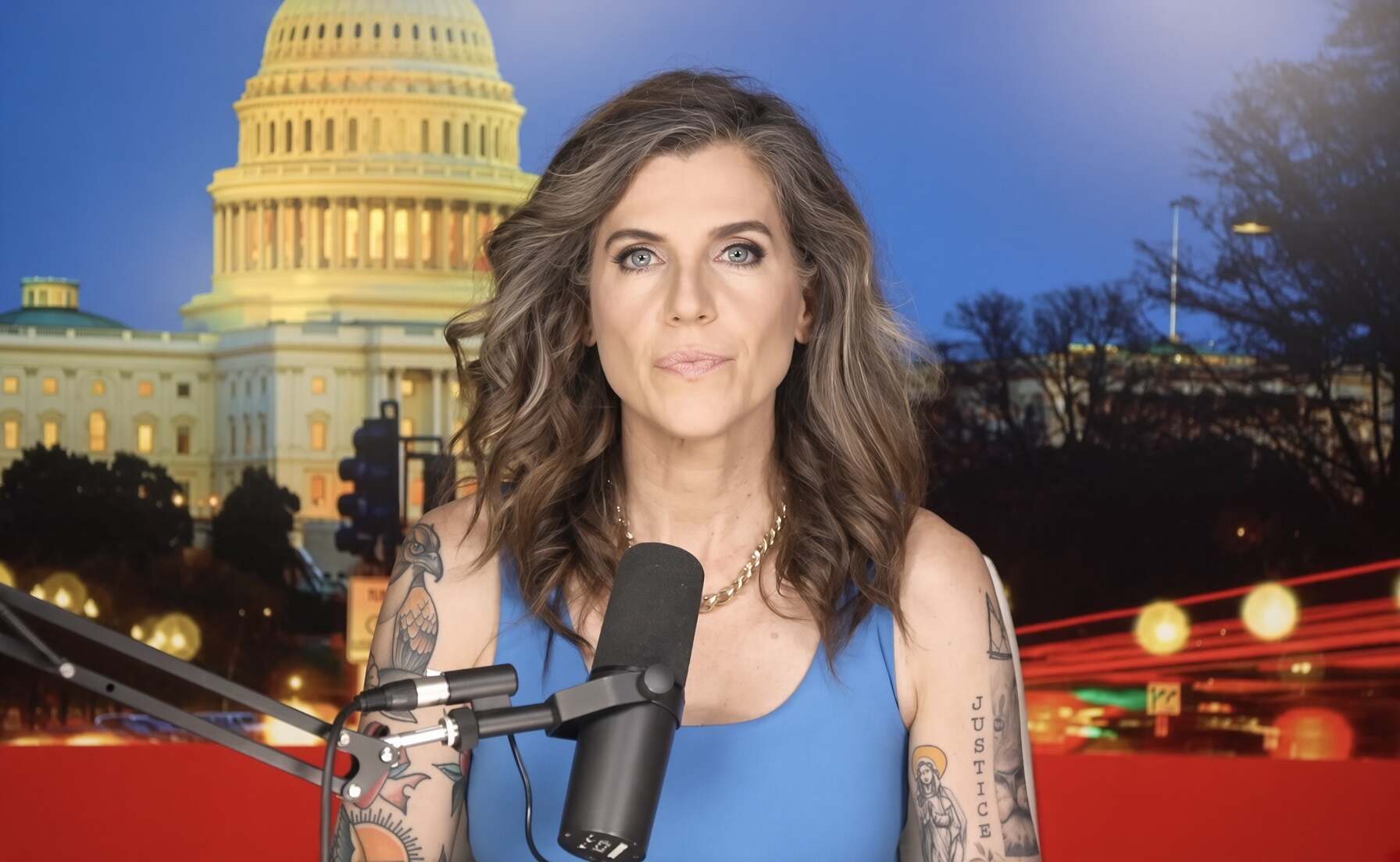
FITSNews reports on Nancy Mace's transition from outgoing congresswoman to online talk show host,...
Trump directs Hegseth to scale back joint military exercises with South Korea Politico

Netizen tidak senang dengan komentar-komentar yang diberikan

BTS mungkin kembali mengikuti Grammy setelah rekanan mereka, Recording Academy, mengumumkan revisi...
BTS mungkin tidak akan mengubah keputusan untuk mengabaikan Grammy karena deadline pengiriman musik...
Update terbaru tentang keputusan BTS untuk tidak mengirimkan musik mereka untuk dijadikan nominee...
Pihak Recording Academy mengumumkan akan kembali meninju keputusan untuk memperkenalkan kategori...

Sangyeop Sangyeop mengumumkan rencananya untuk menikah dengan seorang non-celebrity, mengejutkan...