




Pemerintah Kabupaten Aceh Tamiang: Bumi Muda Sedia Pulih dan Bangkit
Pemerintah Kabupaten Aceh Tamiang: Bumi Muda Sedia Pulih dan Bangkit — Informasi Terbaru
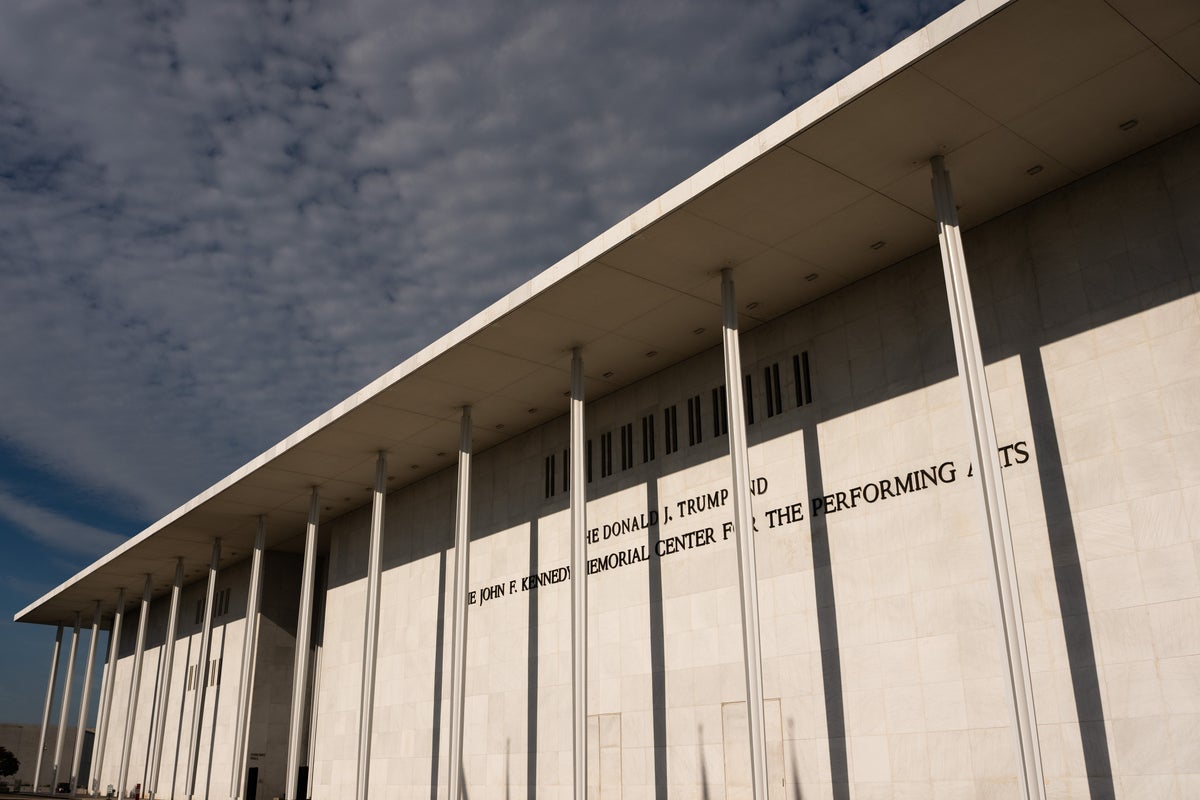
The John F. Kennedy Memorial Center for the Performing Arts, located in Washington, D.C., has been ordered to pay jazz musician Chuck Redd a substantial amount of $252,479.70 for attorneys’ fees and other legal expenses. This ruling was made by D.C. Judge Tanya M. Jones Bosier, who sided with Redd in the dispute. The case began when Redd, a renowned jazz musician, canceled his appearance at the annual Christmas Eve Jazz Jam at the Kennedy Center in protest of Donald Trump. Redd had hosted this event for two decades but decided to withdraw due to his opposition to the Trump administration. The Kennedy Center, in turn, sued Redd for breach of contract, alleging that he had chosen to abuse the public forum provided to him by the center to make a political statement.
The Kennedy Center’s decision to sue Redd was met with criticism, with many arguing that the center was attempting to silence opposition to its actions. Redd’s attorney, Lisa Banks, stated that the Trump-controlled Kennedy Center had tried to silence opposition to its illegal name change by filing a meritless lawsuit against her client. The court ultimately dismissed the lawsuit, finding that there was no contract and no damages, and that the lawsuit was brought against Redd based on his protected opposition. The judge’s decision to award Redd attorneys’ fees and other expenses is seen as a significant victory for the musician and a blow to the Kennedy Center. The Kennedy Center has announced plans to appeal the decision, which could lead to further legal battles.
The background to this dispute is complex and involves a series of events that led to the lawsuit. In December, the Kennedy Center’s board, which was appointed by Trump, voted to put the president’s name on the building. This decision was met with widespread criticism, with many arguing that it was illegal and an attempt to politicize the center. Redd, who had been a longtime host of the Christmas Eve Jazz Jam, decided to cancel his appearance in protest of the name change. The Kennedy Center, in turn, sued Redd, alleging that he had breached his contract with the center. However, the court found that there was no contract between Redd and the Kennedy Center, and that the center had not provided enough evidence to show that Redd had breached any agreement.
The implications of this decision are significant, not only for Redd but also for the broader artistic community. The case highlights the importance of artistic freedom and the need for artists to be able to express their opinions without fear of reprisal. It also raises questions about the role of politics in the arts and the extent to which political considerations should influence artistic decisions. The Kennedy Center’s decision to sue Redd has been seen by many as an attempt to silence opposition and stifle dissent, and the court’s decision to award Redd attorneys’ fees and other expenses is a significant blow to the center. The case is also likely to have implications for the future of the Kennedy Center, which has been embroiled in controversy in recent years.
In terms of the future outlook, it is likely that the Kennedy Center will continue to face challenges and controversies. The center has been criticized for its handling of the name change, and the lawsuit against Redd has only added to the controversy. The center’s decision to appeal the court’s decision is likely to lead to further legal battles and could potentially damage the center’s reputation. Redd, on the other hand, is likely to emerge from the dispute with his reputation intact and possibly even enhanced. The case has highlighted his commitment to artistic freedom and his willingness to stand up for his principles, even in the face of adversity. The decision is also likely to have implications for the broader artistic community, with many artists and musicians likely to see it as a significant victory for artistic freedom and a blow to attempts to silence opposition.
The court’s decision to award Redd attorneys’ fees and other expenses is a significant aspect of the case. The decision was made based on the court’s finding that the Kennedy Center’s lawsuit was meritless and had been brought in bad faith. The center’s decision to sue Redd has been widely criticized, with many arguing that it was an attempt to silence opposition and stifle dissent. The court’s decision to award Redd attorneys’ fees and other expenses is a significant blow to the Kennedy Center and is likely to have implications for the center’s future actions. The decision is also likely to have implications for the broader artistic community, with many artists and musicians likely to see it as a significant victory for artistic freedom and a blow to attempts to silence opposition.
In conclusion, the Kennedy Center’s decision to sue Redd has been widely criticized, and the court’s decision to award Redd attorneys’ fees and other expenses is a significant blow to the center. The case highlights the importance of artistic freedom and the need for artists to be able to express their opinions without fear of reprisal. It also raises questions about the role of politics in the arts and the extent to which political considerations should influence artistic decisions. The case is likely to have implications for the future of the Kennedy Center and the broader artistic community, with many artists and musicians likely to see it as a significant victory for artistic freedom and a blow to attempts to silence opposition. The decision is also likely to have implications for the future of artistic expression and the extent to which artists are able to express their opinions without fear of reprisal.
As the Kennedy Center moves forward, it is likely to face continued challenges and controversies. The center’s decision to appeal the court’s decision is likely to lead to further legal battles and could potentially damage the center’s reputation. Redd, on the other hand, is likely to emerge from the dispute with his reputation intact and possibly even enhanced. The case has highlighted his commitment to artistic freedom and his willingness to stand up for his principles, even in the face of adversity. The decision is also likely to have implications for the broader artistic community, with many artists and musicians likely to see it as a significant victory for artistic freedom and a blow to attempts to silence opposition. In the end, the case is a significant victory for Redd and a blow to the Kennedy Center, and it is likely to have implications for the future of artistic expression and the extent to which artists are able to express their opinions without fear of reprisal.
The case has also raised questions about the role of politics in the arts and the extent to which political considerations should influence artistic decisions. The Kennedy Center’s decision to put Trump’s name on the building was widely criticized, with many arguing that it was an attempt to politicize the center. The center’s decision to sue Redd has only added to the controversy, with many arguing that it was an attempt to silence opposition and stifle dissent. The court’s decision to award Redd attorneys’ fees and other expenses is a significant blow to the Kennedy Center and is likely to have implications for the center’s future actions. The decision is also likely to have implications for the broader artistic community, with many artists and musicians likely to see it as a significant victory for artistic freedom and a blow to attempts to silence opposition.
Overall, the case is a significant victory for Redd and a blow to the Kennedy Center. The decision highlights the importance of artistic freedom and the need for artists to be able to express their opinions without fear of reprisal. It also raises questions about the role of politics in the arts and the extent to which political considerations should influence artistic decisions. The case is likely to have implications for the future of the Kennedy Center and the broader artistic community, with many artists and musicians likely to see it as a significant victory for artistic freedom and a blow to attempts to silence opposition. As the Kennedy Center moves forward, it is likely to face continued challenges and controversies, and the decision is likely to have implications for the future of artistic expression and the extent to which artists are able to express their opinions without fear of reprisal.
The Kennedy Center has been ordered to pay $250,000 to jazz musician Chuck Redd, who canceled his appearance in protest of Donald Trump. This decision comes after a lengthy legal battle between Redd and the performing arts center.
Pemerintah Kabupaten Aceh Tamiang: Bumi Muda Sedia Pulih dan Bangkit — Informasi Terbaru
Delve into the captivating world of 'Ice Princess', a film that showcased the talents of Hayden...

Acara 600 ribu porsi kulinier gratis di Monas, menghidupkan semangat kebangsaan dan memperkuat rasa...

Meninggalnya Hayden Panettiere, aktris Amerika Serikat, telah mengejutkan dunia hiburan dengan...

Cinema XXI Mencapai Titik Puncak dalam Menggunakan Dana IPO Rp217 Triliun

Hayden Panettiere, bintang televisi Amerika yang terkenal dengan perannya dalam serial 'Heroes' dan...

Netizen tidak senang dengan komentar-komentar yang diberikan

BTS mungkin kembali mengikuti Grammy setelah rekanan mereka, Recording Academy, mengumumkan revisi...
BTS mungkin tidak akan mengubah keputusan untuk mengabaikan Grammy karena deadline pengiriman musik...
Update terbaru tentang keputusan BTS untuk tidak mengirimkan musik mereka untuk dijadikan nominee...
Pihak Recording Academy mengumumkan akan kembali meninju keputusan untuk memperkenalkan kategori...

Sangyeop Sangyeop mengumumkan rencananya untuk menikah dengan seorang non-celebrity, mengejutkan...